

Few things are as instantly stressful for a parent as the nightly “sleep battle.” You know your baby is exhausted—you can see the telltale yawns, the eye rubs, and the general fussiness—yet, when you try to initiate sleep, they suddenly become a wriggling, wide-awake creature who protests bedtime with unexpected energy. If this sounds familiar, take a deep breath: you are not alone.
The experience of a baby fighting sleep is incredibly common across infancy and toddlerhood. It is often less a sign that you are doing something wrong and more a signal that your child is navigating a developmental change, learning a new skill, or simply dealing with complex feelings about separation or fatigue.
As experienced parenting editors, our goal here is to offer calm reassurance and practical, safety-first guidance. We will explore the primary reasons why this resistance happens, explain how to distinguish between normal behavior and potential health concerns, and provide actionable, gentle strategies that may help ease the transition to sleep starting today in January 2026.
Understanding Sleep Resistance: Why Your Baby Fights Sleep
When a baby actively resists settling down, it can feel like a contradiction. How can they be so tired, yet so determined to stay awake? This resistance, often called “sleep fighting” or “protesting,” usually stems from one of four core areas: biological timing, developmental shifts, environmental cues, or physical comfort.
The Delicate Balance: Overtiredness vs. Under-tiredness
The most frequent cause of sleep resistance is misalignment in timing. Babies have narrow windows of optimal time for sleep, known as “wake windows.” Missing this window, even by a few minutes, can throw off the entire process.
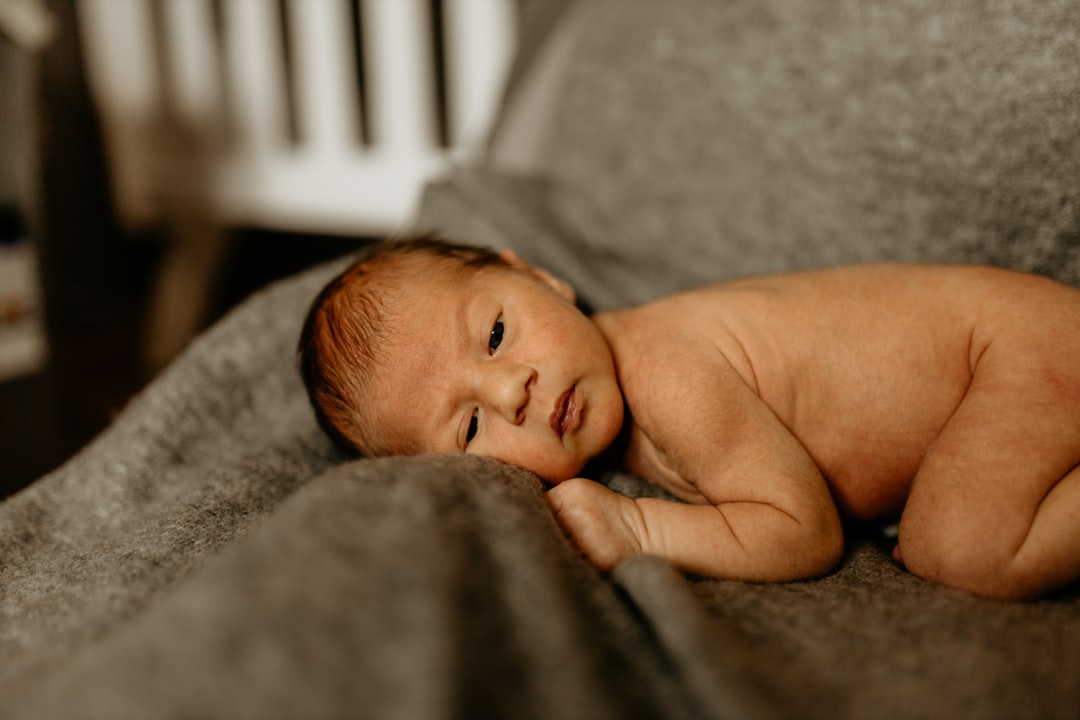
- Overtiredness: When a baby stays awake past their optimal window, their body often releases cortisol and adrenaline—stress hormones—to compensate for the fatigue. This hormonal surge acts like a second wind, making them agitated, hyperactive, and far harder to settle down, even though they desperately need rest. An overtired baby may often cry intensely and seem angry or frantic when put down.
- Under-tiredness: This is common as babies grow and their sleep needs evolve throughout 2026. If a baby hasn’t built up enough sleep pressure (time awake) or their last nap was too long or too close to bedtime, they simply aren’t ready. They may lie down calmly but start cooing, kicking their legs, or looking around the room, resisting sleep because their internal biological clock hasn’t cued them yet.
The Impact of Developmental Leaps
Infant development is rapid and relentless. Whenever a baby masters a major new skill, whether it’s rolling over, crawling, sitting up, or even understanding language, their brain is buzzing with excitement and practice. These periods of rapid learning can dramatically impact sleep.
A baby who is mastering a new skill often resists lying still because they want to practice the new ability. During a sleep transition (like dropping a nap), or while learning a major physical milestone, it is very common for sleep resistance to temporarily spike. This is usually a phase, and it generally settles down once the new skill is consolidated.
The Environment and Routine
Babies thrive on predictability. If the cues leading up to sleep are inconsistent, or if the sleep environment is stimulating (too much light, too noisy, too warm), the baby may become confused or agitated. They may fight sleep because the signals are mixed, or they may simply be uncomfortable.
In the first year, establishing a gentle, predictable routine—a bath, lotion, cuddles, and a book—signals to the baby that the time for restorative rest is approaching. A lack of this routine can sometimes make the sudden shift to bedtime feel jarring, leading to protest.
Physical Discomfort
Sometimes, sleep resistance is a direct result of feeling unwell or uncomfortable. Because babies cannot articulate their pain, crying and refusing to lie flat may be their only way to communicate.
While we cannot offer medical certainty here, some factors that occasionally cause babies to fight sleep include:
- Undiagnosed or managed gas or reflux (GER). Lying flat can sometimes exacerbate the discomfort of reflux.
- Teething pain, which often peaks at night.
- Being too hot or too cold (ensure the room temperature is comfortable, generally between 68 and 72 degrees Fahrenheit, per safety guidelines).
Practical, Safe Strategies for Managing Sleep Resistance
When your baby is fighting sleep, the priority is to respond calmly, safely, and consistently. The goal is to gently guide them toward rest, not to escalate the battle.
Mastering Wake Windows and Sleep Cues
Observing your baby is the best tool you have. Instead of relying solely on the clock, learn your baby’s specific tired cues (staring off, rubbing ears, zoning out). Use these cues to determine their wake window.
A helpful general practice: If your baby is highly energetic or fighting sleep hard, they are often overtired. Try moving their bedtime earlier by 10 to 15 minutes for a few nights. Conversely, if they are happy and chatty but resisting, they might need 10 to 15 more minutes of awake time to build sufficient sleep pressure.
Prioritizing the Sleep Environment
The sleep environment should be safe, boring, and predictable. Following current guidelines on safe sleep is paramount:
- Always place your baby to sleep alone, on their back, in a crib or bassinet that meets safety standards.
- Ensure the sleep surface is firm and clear of all loose bedding, bumpers, pillows, or stuffed animals.
- Consider using a sound machine to create consistent white or pink noise, which can help block out stimulating household sounds and mimic the constant noise heard in the womb.
- Keep the room dim or dark. Darkness helps stimulate melatonin production, the natural hormone that helps regulate sleep cycles.
The Power of a Consistent, Calming Routine
Consistency is key to reducing resistance. Even a short, 20-minute routine performed in the same order, every night, can be powerful.
A typical, gentle routine might include:
- A warm bath (optional, but relaxing).
- A calming massage or putting on pajamas.
- A final feeding, separated slightly from the act of being put into the crib.
- Reading a short, quiet book or singing a lullaby in a dim room.
The routine should end in the bedroom and should not involve highly stimulating play or bright screens. The final moments should involve placing the baby down drowsy, but not fully asleep, if possible. This approach, where appropriate for the baby’s age, helps them learn to self-settle and recognize that they are safe in their crib.
Addressing Separation Anxiety
Around 8 to 10 months and sometimes later, many babies begin experiencing stronger separation awareness. This often causes them to cry or protest when the parent leaves the room. This is a normal, healthy part of cognitive development in 2026, showing they have strong attachment.
When dealing with separation protest, it is supportive to offer quick, calm check-ins. A brief word of reassurance (“Mommy loves you, it’s time to sleep”) and a gentle pat without picking them up may sometimes help them feel secure while still encouraging independent sleep.
When Sleep Resistance Isn’t Normal: Signs to Watch For
While most instances of babies fighting sleep are normal and temporary, related to growth or routine, there are situations where resistance might signal underlying health issues. As a general rule, intense, inconsolable crying or refusal combined with other physical symptoms warrants attention.
A typical sleep protest is usually resolved within 15–30 minutes of attempting to settle, or it stops when the baby is picked up. Concerns may arise if the following symptoms occur in combination with severe sleep resistance:
- Extreme Fussiness During Feeding: Difficulty swallowing, refusing feeds, or excessive spitting up.
- Persistent Physical Symptoms: Frequent, hard coughing, wheezing, signs of ear pulling, or unusual arching of the back when lying flat, which can sometimes signal significant gas or reflux discomfort.
- Changes in Vitals: Fever, lethargy, or dramatically reduced wet or dirty diapers.
- Inconsolable Crying: Crying that lasts for hours, is high-pitched, and cannot be soothed by any standard comfort methods (rocking, holding, feeding).
When to Consult Your Pediatrician
We are here to offer support and information, but we do not replace medical professionals. If you have any significant concerns about your baby’s well-being, health, or chronic discomfort, please reach out to your pediatrician or licensed healthcare provider.
You should absolutely call your doctor if:
- The baby’s sleep resistance is sudden, severe, and accompanied by signs of illness (fever, vomiting, congestion).
- The baby appears to be in pain when lying flat, consistently arching their back or exhibiting symptoms of reflux that are worsening or unmanaged.
- The sleep refusal results in severe sleep deprivation for the baby, leading to noticeable changes in their mood, feeding, or development during their awake hours.
In most situations, the phase of fighting sleep is a temporary hurdle—a sign that your baby is learning, growing, and realizing that sleep means separation. Offer consistent comfort, maintain a safe routine, and trust that you are providing the loving structure they need to navigate this important developmental step.
Frequently Asked Questions (FAQ)
Is it bad to rock or hold my baby until they are asleep?
There is nothing inherently bad about comforting your baby to sleep. Many parents enjoy this bonding time, and it is a wonderful way to offer security. If you find, however, that the baby wakes up frequently because they rely on being held to transition between sleep cycles, you may gently consider placing them down when they are drowsy but still slightly awake.
At what age does baby fighting sleep usually peak?
Sleep resistance can happen at any age, but it often peaks around 4 to 6 months during the first major sleep regression, and again around 8 to 10 months due to increased mobility and separation anxiety. These peaks usually coincide with major developmental leaps and typically resolve within a few weeks as the baby adjusts to the new skill or routine.
Do I need to let my baby cry it out when they fight sleep?
There are many gentle and responsive sleep approaches that do not involve leaving your baby to cry alone. Sleep training methods vary widely, and parents should choose an approach that aligns with their personal comfort level and their baby’s temperament. Consistency and establishing a clear routine are generally more important than the specific method you choose.
How long should I try to settle my baby before I give up?
If your baby is fighting sleep hard and seems distraught, continuing to force the issue can lead to escalation and overtiredness. If you have tried settling techniques for 15–20 minutes without success, it is often helpful to take a short “reset” break. Take them out of the dark room for a brief cuddle, check their diaper, and then try the routine again 10 minutes later.
Should I stop all naps if my baby fights bedtime?
No, adequate daytime sleep is crucial for good nighttime sleep. Cutting naps usually results in a severely overtired baby who will fight bedtime even harder due to the hormonal surge of fatigue. Instead of eliminating naps, focus on timing the last nap so that the wake window leading up to bedtime is appropriate for your baby’s age.
Friendly Disclaimer: This article is for informational purposes only and does not replace professional medical advice. If you have concerns about your baby’s health, sleep habits, or development, please consult your pediatrician or a licensed healthcare provider.