

If you have ever spent time watching your newborn sleep—deeply, seemingly unmoving, except for the occasional twitch or smile—you may have wondered about their internal world. Parents often observe this profound rest and ask a very natural question: Is my baby truly aware of the world, or are they effectively “unconscious” for much of the day? It’s a profound question that touches upon the very core of infant development and mental awareness.
As caregivers, we often compare infant sleep to our own. When we sleep deeply, we are unconscious; unresponsive to our environment until external stimuli rouses us. However, a baby’s developing brain operates under a completely different set of rules. While newborns spend a significant portion of their January 2026 days asleep—sometimes 14 to 17 hours—that sleep is incredibly complex and essential for neurological growth.
The short answer is reassuring: healthy babies are not medically unconscious. Instead, they are rapidly processing the world and constantly building the foundation for awareness. This article will help you understand the difference between deep infant sleep and true unconsciousness, explore the stages of development that govern baby awareness, and provide safety guidance related to these critical early months.
Defining Consciousness vs. Awareness in Infants
When we use the term “unconscious” in a medical context, it generally refers to a state where an individual is completely unresponsive and unable to process information from the environment. This is not the state of a healthy baby, even one in the deepest sleep.
For an infant, awareness and consciousness are not fixed states but rather processes that are under continuous construction. A newborn’s brain structure is vastly different from an older child or adult, yet it is highly active. Every sound, touch, and sensation helps forge the complex neural pathways needed for eventual cognitive function.
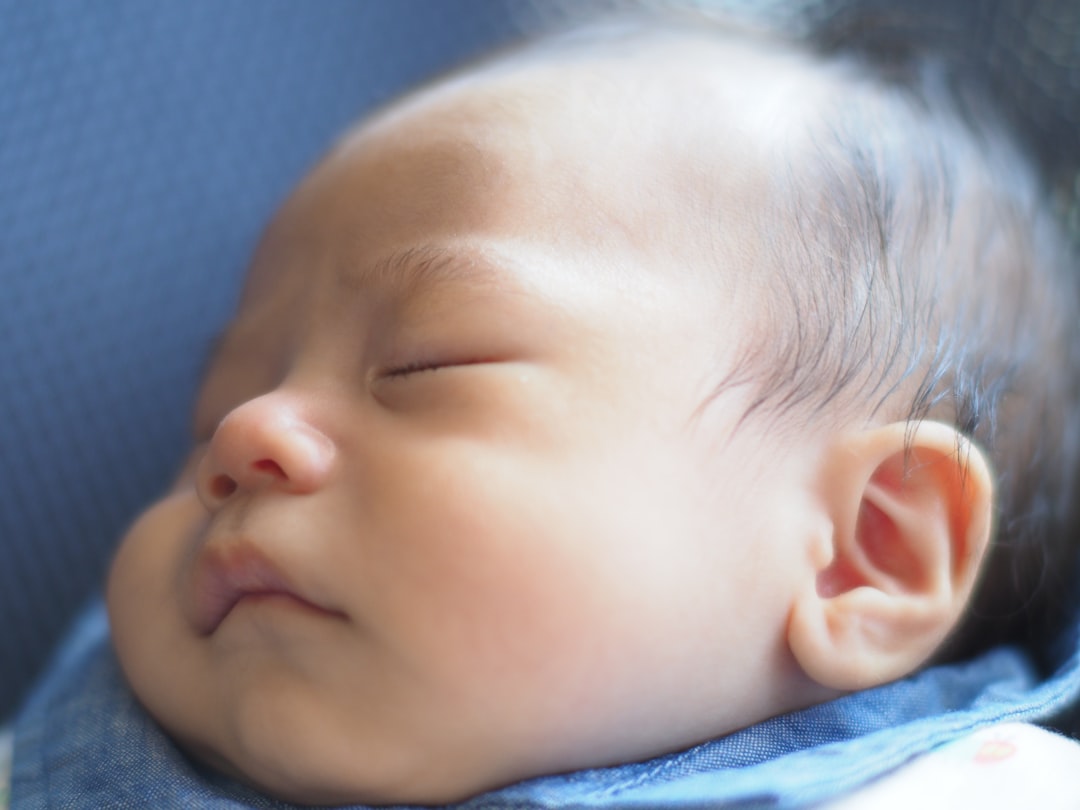
What is happening during deep infant rest?
- Processing and Pruning: The brain is consolidating memories and sensory input gathered during wakeful periods.
- Rapid Development: Essential connections are being made, particularly in the areas governing motor skills, sight, and hearing.
- Active Sleep Cycles: A significant portion of infant sleep is spent in active sleep (often referred to as REM sleep), which is crucial for brain development. During active sleep, you may see eyelid fluttering, smiling, sucking motions, or slight movements, demonstrating that the brain is far from shut down.
While a young infant may not have adult-level self-awareness or sophisticated conscious thought, they are highly reactive and responsive, confirming that their nervous system is functioning normally.
The Difference Between Deep Sleep and Unconsciousness
A major reason parents ask, “Are you unconscious as a baby?” stems from the intense periods of quiet sleep, where the baby appears completely immobile and difficult to wake. This deep, quiet sleep is vital for physical restoration and growth hormone release.
Reflexes Show Awareness
Even in the deepest stages of rest, a healthy baby retains key reflexes, which are an immediate sign of a functioning nervous system. These reflexes demonstrate an inherent awareness of the body and external stimuli:
- The Startle (Moro) Reflex: A sudden loud noise or a feeling of falling causes the baby to abruptly extend their arms and legs and then quickly pull them in.
- Rooting and Sucking: Touching the baby’s cheek, even when drowsy, often triggers the rooting instinct, proving the sensory system is alert to external touch.
- Blink Reflex: A quick flash of light or air movement near the eye causes an involuntary blink.
These involuntary responses are biological mechanisms that confirm the baby’s central nervous system is active, monitoring the environment, and prepared to react—the antithesis of being truly unconscious.
Active vs. Quiet Sleep: Understanding Infant Cycles
Infant sleep cycles are much shorter and contain more Active Sleep (REM) than adult cycles. This is often why babies seem to wake up frequently or move a lot while sleeping.
Parents in early 2026 are increasingly aware of the two main types of infant sleep:
Active Sleep (REM-like): In this stage, the baby’s brain waves look similar to those in wakefulness. Breathing can be irregular, and the baby may jerk, twitch, or make noises. They are easily roused. This stage is believed to be where the most significant brain development occurs.
Quiet Sleep (Deep Sleep): Here, the baby is still, breathing is slow and regular, and it is harder to wake them. While this looks like an unconscious state, the brain is actively performing maintenance and consolidation tasks.
When Does True Awareness Begin?
While a newborn is reactive, the development of sophisticated, persistent, conscious awareness is a gradual process throughout the first year and beyond. This development is often measured by observing key milestones:
Newborn (0–3 Months): Focus is primarily on sensory intake. Babies are aware of light, dark, loud noises, and the distinct smell of their caregiver. They show awareness through tracking objects briefly and responding to familiar voices. They operate mostly on instinct and reflex.
Around 3–6 Months: Intentional behavior increases dramatically. The baby begins to realize that their actions have consequences (kicking a mobile makes it move). They are aware of different emotions in faces and demonstrate clear social responses, such as smiling specifically at a parent. This marks a clearer transition into conscious interaction.
Around 6–12 Months: Object permanence develops (understanding things exist even when unseen). They show clear recognition of loved ones and often display separation anxiety, demonstrating a strong, sophisticated conscious bond and awareness of their primary caregiver’s presence or absence.
These milestones confirm that the baby is moving from a reflexive state to a truly conscious, intentional human being, building on the foundation laid in the early weeks of intense sensory input and development.
Safety First: How Understanding Infant Sleep Affects Care
Understanding that your baby is highly receptive, even during sleep, reinforces the importance of safe and consistent care practices. Even if a baby appears to be deeply “out,” their developing nervous system is affected by their sleep environment.
Because their awareness system is still maturing and their cycles are short, safety guidelines established by organizations like the American Academy of Pediatrics are crucial. The following practices help ensure that a baby’s developing awareness is protected:
- Back is Best: Always place your baby to sleep alone on their back for every sleep, including naps. This supports open airways as their developing musculature stabilizes.
- Clear Sleep Space: A healthy baby’s sensory system does not need extra stimulation while sleeping. Keep the crib clear of blankets, pillows, bumpers, and toys.
- Responding to Cues: If a baby wakes up crying, their nervous system is communicating a need. Prompt, soothing responses reinforce trust and security, which are essential components of emotional awareness development.
- Consistent Environment: Maintaining a steady room temperature and quiet atmosphere provides reliable, manageable input for the developing brain.
It’s important to remember that a baby who is difficult to rouse or seems unresponsive beyond the standard characteristics of deep, quiet sleep should always be evaluated.
When to Consult a Pediatrician About Awareness and Responsiveness
While healthy babies are not medically unconscious, there are rare instances where a baby’s lack of responsiveness or extreme lethargy requires professional medical attention. As a caregiver, you know your baby best. Trust your instinct if something feels genuinely wrong.
Consult your pediatrician or licensed healthcare provider immediately if your baby:
- Is extremely difficult to wake, even for feeding, and this difficulty is new or unusual for them.
- Appears limp, floppy, or unresponsive to typical attempts to stimulate them (like light tickles, voice, or being moved).
- Has unusual breathing patterns, such as periods of extremely rapid breathing or very long pauses (beyond the normal infant variations).
- Shows a sudden and profound change in feeding patterns coupled with lethargy.
- Has a significantly elevated or depressed temperature along with poor responsiveness.
Most parental worries about a baby being “unconscious” are simply observations of normal, deep infant sleep, which looks very different from an adult’s rest. However, vigilance is key in these early months. If you have any ongoing concerns about your baby’s alertness, development, or overall behavior in January 2026, reaching out to your trusted healthcare provider is the safest path.

Frequently Asked Questions (FAQ)
Is my baby dreaming when they twitch in their sleep?
It is very common for babies to twitch, smile, or jerk during active sleep (REM), but we cannot confirm if they are dreaming in the adult sense. This movement is often believed to be the brain actively developing motor pathways and processing the day’s sensory input, a healthy sign of neurological activity.
Do babies know who their parents are right away?
While newborns can recognize their mother’s voice and scent immediately, the conscious, deep awareness and bonding recognition usually develops over the first few months. By 3 to 4 months, most babies show clear visual and emotional preference for their primary caregivers.
Why is my baby quiet and unmoving during their naps?
This is likely Quiet Sleep, which is a necessary stage of deep rest that promotes physical growth and restoration. As long as your baby wakes up normally when they transition out of this phase or when they are hungry, this stillness is considered a normal and healthy part of their sleep cycle.
Does a lack of responsiveness mean I should worry?
If the lack of responsiveness is due to being in a known, deep sleep phase, it is usually normal. If your baby is consistently lethargic, difficult to rouse for multiple feedings, or exhibits unusual limpness when awake, you should consult your pediatrician immediately to rule out any health concerns.
***
Important Disclaimer
This article is for informational purposes only and does not replace professional medical advice. If you have concerns about your baby’s health, development, or are worried about a sudden change in responsiveness, please consult your pediatrician or a licensed healthcare provider immediately.