
Planning a day at the beach with a baby can feel like packing for a cross-country move. The excitement of seeing your little one experience the sand and waves for the first time is often mixed with a healthy dose of anxiety: How do I keep them safe from the sun? What if they get too hot? Did I remember everything?
These concerns are completely normal. Taking an infant or young baby to a dynamic environment like the beach requires meticulous planning, but it is entirely manageable. The key is shifting your focus from a fun, impromptu outing to a highly structured, safety-first mission. With the right gear and a calm, prepared mindset, you can ensure the trip is pleasant and secure for everyone.
As experienced parenting editors, our focus here is guiding you through the essential checklist, prioritizing sun safety, hydration, and realistic expectations. Remember, your pediatrician is always your first resource for health concerns, but this guide offers practical steps to make your January 2026 beach trip a success.
The Foundational Pillars of Infant Beach Safety
Before we dive into specific products, it’s vital to understand that beach safety for babies revolves around two non-negotiable concepts: constant supervision and temperature control.
1. Shade is Your Primary Protection
For babies, especially those under six months, the sun is a serious hazard. Direct sunlight exposure should be minimized or eliminated entirely. Even on cloudy days, UV rays penetrate the atmosphere.
- The Tent Strategy: A portable pop-up beach tent or sun shelter is perhaps the single most important piece of gear. Look for one offering high UPF (Ultraviolet Protection Factor) ratings, ideally 50+.
- Strategic Timing: Plan your beach visits around peak sun hours. In most areas, the sun’s intensity is highest between 10:00 AM and 4:00 PM. A short trip early in the morning or late afternoon often allows for safer exposure times.
- Double Layering: Even when sitting under a tent, ensure the baby is shielded from reflected light (which bounces off the sand and water). A large, breathable blanket draped over a stroller or pack-and-play inside the tent can provide extra diffused shade.
2. Understanding Sunscreen and Infants
Parents often wonder about applying sunscreen to young babies. The American Academy of Pediatrics (AAP) and many dermatologists generally recommend avoiding chemical sunscreens entirely for babies under six months of age.
If adequate clothing and shade are impossible, and sun exposure is unavoidable for a short period, a small amount of mineral-based sunscreen (containing zinc oxide or titanium dioxide) may be applied to small, exposed areas like the backs of the hands or the face. Always consult your pediatrician first and perform a patch test 24 hours prior to application to check for any reaction. After six months, a mineral-based, broad-spectrum sunscreen with an SPF of 30 or higher is typically appropriate, reapplied every two hours or immediately after contact with water.
The Comprehensive Baby Beach Packing List
Packing for a beach day requires thinking through a variety of scenarios, from unexpected blowouts to sudden chills.
Essential Gear for Shelter and Comfort
- Portable Shade Structure: As mentioned, a UPF 50+ pop-up tent. Ensure it has good ventilation.
- Lightweight Travel Crib or Play Yard: A safe, contained space inside the tent where the baby can nap or play without rolling into the sand.
- Clip-On Fan: A battery-operated stroller fan can be essential for air circulation inside the tent, helping to prevent overheating on warm January days.
- Beach Blanket/Mat: A large, sand-proof mat that sits outside the tent entrance for adult seating and minimizes the amount of sand tracked into the baby’s shaded area.
Clothing and Protective Wear
Clothing acts as the first line of defense against UV rays.
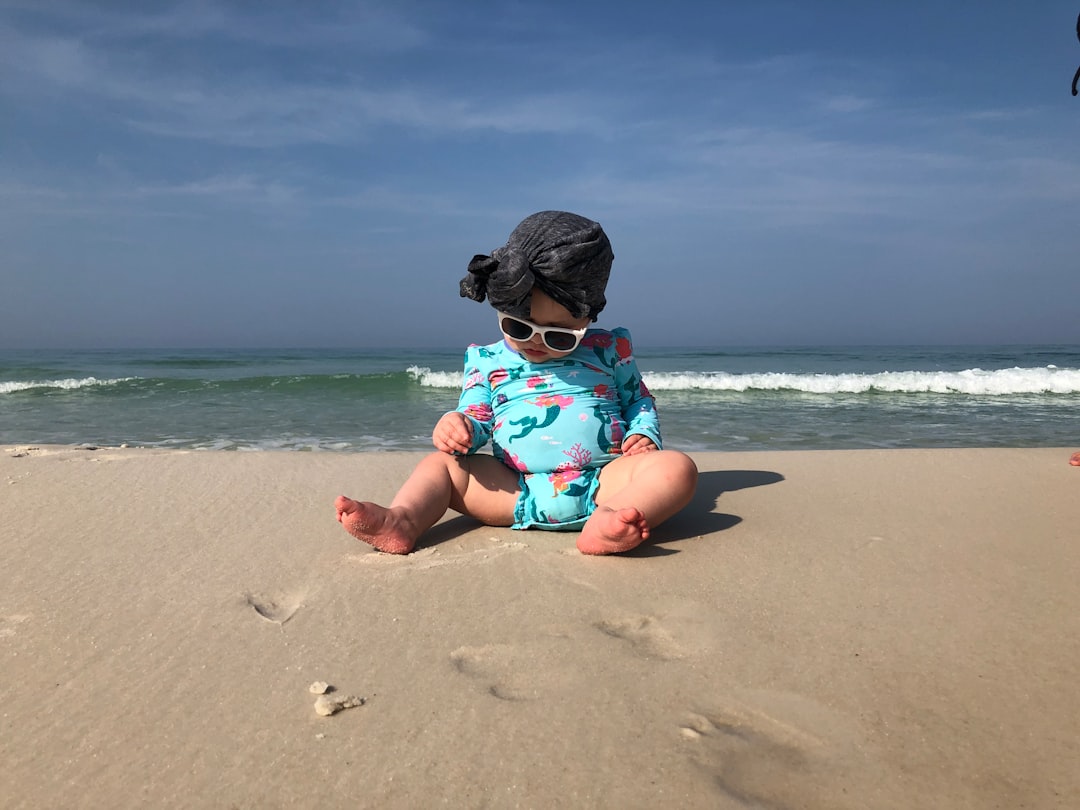
- UPF Swimwear/Sunsuit: Look for long-sleeved, long-legged swimwear with an integrated UPF rating of 50+. This covers the maximum amount of skin without relying on sunscreen.
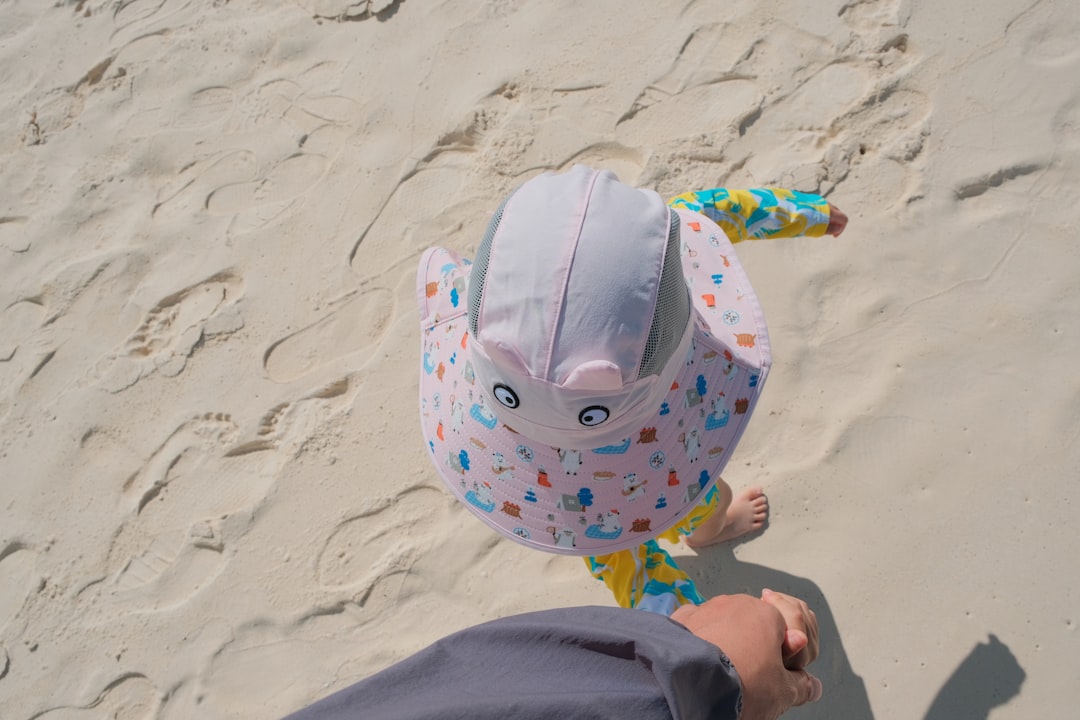
- Wide-Brimmed Hat: A hat that offers shade for the face, neck, and ears. Make sure it has a chin strap to keep it securely in place, even with a light breeze.
- Swim Diapers: Reusable or disposable swim diapers are necessary. Regular diapers swell massively and become ineffective in water.
- Warm Layers: Even if the forecast predicts warmth, the breeze coming off the ocean can be cool, especially after a dip in the water. Pack an extra sweater or hooded towel to wrap the baby in immediately after water exposure.
Feeding and Hydration Management
Hydration is critical, as babies can dehydrate quickly in warm environments.
- Cooler Bag and Ice Packs: Essential for storing breast milk, formula, and solid foods.
- Pre-measured Formula/Bottles: Using individual powdered dispensers makes mixing quick and ensures water safety. Only use sealed, potable water for mixing formula.
- Water (If Applicable): If your baby is over six months old and routinely drinking water, pack a sippy cup of plain water. For infants under six months, hydration relies solely on formula or breast milk, offered frequently.
- Infant Snacks: Pack easy, non-perishable snacks for babies eating solids (e.g., small pouches, soft crackers).
Diapering, Cleaning, and First Aid
- Extra Diapers and Wipes: Pack more than you think you need. Sand and water necessitate frequent changes.
- Diaper Rash Cream: The combination of heat, wetness, and potential sand abrasion can irritate sensitive skin.
- First Aid Kit: A basic kit including bandages, sterile wipes, infant pain reliever (consult your doctor for appropriate dosage), and a thermometer.
- Baby Powder (Optional): Many parents find that sprinkling a small amount of baby powder on sand-covered skin helps wick away moisture, making the sand easier to brush off before getting back into the car.
Managing Water Exposure and Play
While the beach is exciting, remember that the ocean and even small pools of water present real hazards that demand unwavering attention. Water safety is paramount.
Active and Touch Supervision
Never rely on flotation devices or other children to supervise your baby near water. Active supervision means being within arm’s reach at all times. If the baby is near the water’s edge or in a small plastic wading pool, your eyes must be locked on them, and you must be close enough to grab them instantly.
If you plan to enter the shallow water with your baby, always hold them securely and face the waves. Even seemingly small waves can quickly knock over a small child or adult.
Dealing with Sand Intake
It is common for curious babies to try and taste everything—and the sand is no exception. While ingesting tiny amounts of sand is usually harmless, you should try to redirect them immediately. Offering safe toys or clean snacks when they show interest in putting their hands (or mouthfuls of sand) toward their mouths may help.
- Safe Sand Play: Use clean buckets, shovels, and simple plastic toys. Encourage them to play with sand near the blanket rather than close to the wet, crowded edge where debris or bacteria might be more prevalent.
- Hand Washing: Keep a large bottle of fresh, clean water and soap or sanitizer wipes readily accessible for frequent hand cleanups, especially before feedings.
Recognizing and Responding to Overheating
Infants and young babies are highly susceptible to heat illness because their bodies are less efficient at regulating core temperature compared to adults. Recognizing early signs of overheating is essential for prompt intervention.
What to Look For
If your baby is warm, seek shade immediately and begin cooling measures. Signs that your baby may be struggling with the heat sometimes include:
- Excessive fussiness or lethargy
- Flushed, red skin
- Sweating (though newborns may not sweat effectively)
- Rapid breathing
- Lack of tears when crying
- Fewer wet diapers than usual
What You Can Safely Do
If you suspect overheating, move the baby to the coolest, shadiest spot available—which may mean ending the beach trip early and going to an air-conditioned space. Remove excess clothing, offer breast milk or formula immediately, and use a cool (not freezing) cloth to gently wipe the skin.
When to Call a Doctor or Specialist
While minor fussiness and heat-related discomfort often resolve quickly once the baby is cooled down and hydrated, certain symptoms warrant immediate medical attention. If your baby exhibits extreme lethargy, vomiting, fever, or is unresponsive, this could indicate a serious issue like heatstroke or severe dehydration. Do not hesitate to seek emergency medical care immediately.
If you are unsure whether your baby’s behavior is normal after sun exposure or a warm day, a quick call to your pediatrician is always the safest course of action.
Realistic Expectations for the Beach Trip
Parents often set high expectations for baby outings, picturing idyllic naps and happy splashing. It is far more realistic to anticipate a short trip—perhaps 90 minutes to two hours—especially when the weather is warm or the baby is younger than six months old.
Approach the day with flexibility. If the baby is fussy, too hot, or simply doesn’t like the sand (a very common reaction!), be prepared to pack up quickly and leave. The goal is to introduce the environment safely and positively, not to achieve a full day of relaxation.
Frequently Asked Questions About Babies and the Beach
How long can a young baby safely stay at the beach?
For infants under six months, keep trips very brief, ideally less than 90 minutes, and strictly limit
direct sun exposure. For older babies who are adequately shaded and hydrated, the length of time depends on their mood and the air temperature, but always prioritize frequent breaks indoors or in cooler areas.
Is the sand safe for babies to crawl on?
While sand carries certain natural bacteria, crawling on the sand is often considered safe once they start solids and are more mobile. The main concerns are ingesting large amounts of sand or debris like sharp shells. Keep a close watch and ensure immediate hand washing after play and before eating.
What if my baby cries when they feel the sand?
Many babies find the texture of sand unsettling or irritating, especially between their toes or fingers. This is a normal sensory reaction. Do not force them to touch it; instead, let them observe from the safety of a blanket or hold them while their toes briefly touch the sand, slowly increasing exposure only if they seem comfortable.
Can my baby use a flotation device in the ocean?
While devices like inflatable tubes or rings can provide support, they are not safety devices and should never replace hands-on adult supervision. Floatation devices can easily tip over or drift away. For young babies, being held securely in a parent’s arms in the shallowest water is always the safest option.
Do I need special sunglasses for my baby?
While not an absolute essential if shade and hats are strictly used, good quality, UV-protective sunglasses for babies are highly recommended. Look for styles with elastic straps to keep them secured and ensure they meet safety standards for blocking UVA and UVB rays.
***
IMPORTANT FRIENDLY DISCLAIMER: This article is for informational purposes only and does not replace professional medical advice. If you have concerns about your baby’s health, development, or specific needs regarding sun exposure or hydration, please consult your pediatrician or a licensed healthcare provider.