
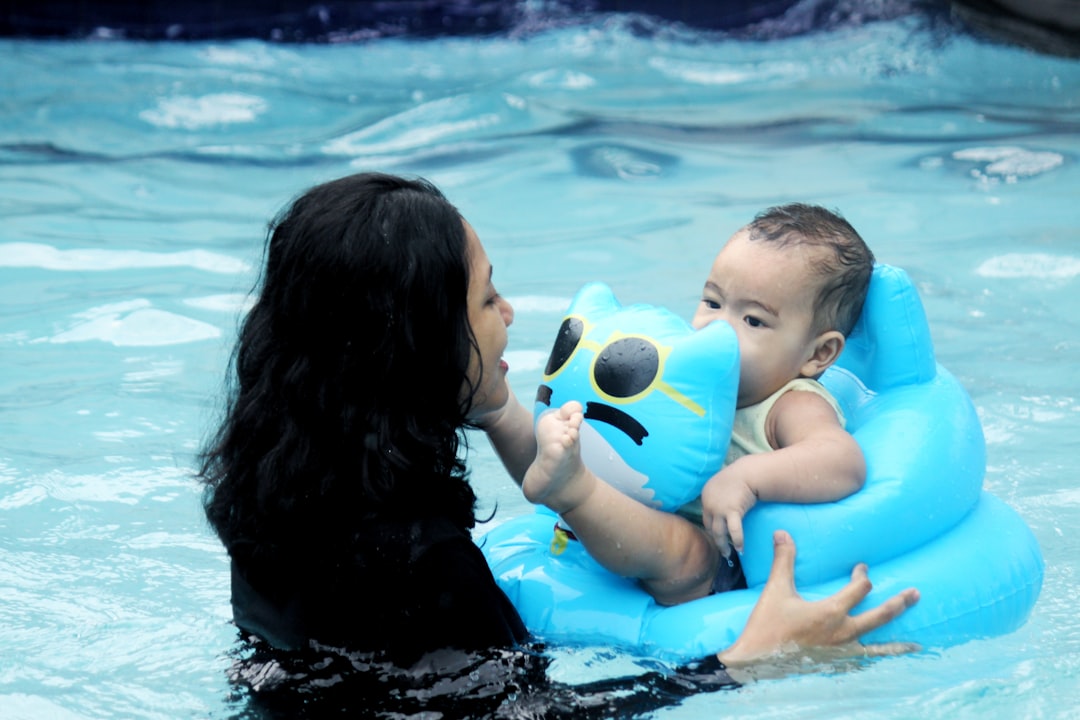
The image of a tiny infant gliding gracefully underwater is one of the most captivating sights in early childhood photography. It often leads parents to wonder about their own little one’s innate abilities. You might find yourself asking if babies are born with a natural talent for the water, or if those viral videos represent a skill that needs to be carefully taught. Understanding the relationship between infants and water is essential for keeping your baby safe while fostering a positive environment for future swimming success.
As a parent, your primary goal is always safety and comfort. In this guide, we will explore the natural reflexes babies are born with, the difference between a reflex and a functional skill, and when it is generally considered appropriate to introduce your child to formal water activities. By moving away from sensationalized ideas and focusing on developmental milestones, you can help your child navigate the water with confidence as they grow through 2026 and beyond.
The Truth About the Infant Swimming Reflex
Many parents have heard that babies are “born swimmers.” This idea stems from two specific involuntary responses: the diving reflex and the swimming reflex. While these are fascinating biological traits, they do not mean a baby can actually swim in the way an adult or an older child does.
The diving reflex, or the bradycardic response, occurs when a baby’s face is submerged in water. Their heart rate naturally slows down, and they instinctively hold their breath. Simultaneously, the swimming reflex causes a baby to move their arms and legs in a paddling motion when placed tummy-down in the water. These reflexes are often most prominent in the first six months of life.
It is important to remember that these are primitive reflexes, not conscious actions. They do not mean a baby is safe in the water or capable of keeping their head above the surface to breathe. Most experts note that these reflexes typically begin to fade by the time a baby is six months old as their voluntary motor skills start to develop.
When Can Babies Start Water Acclimation?
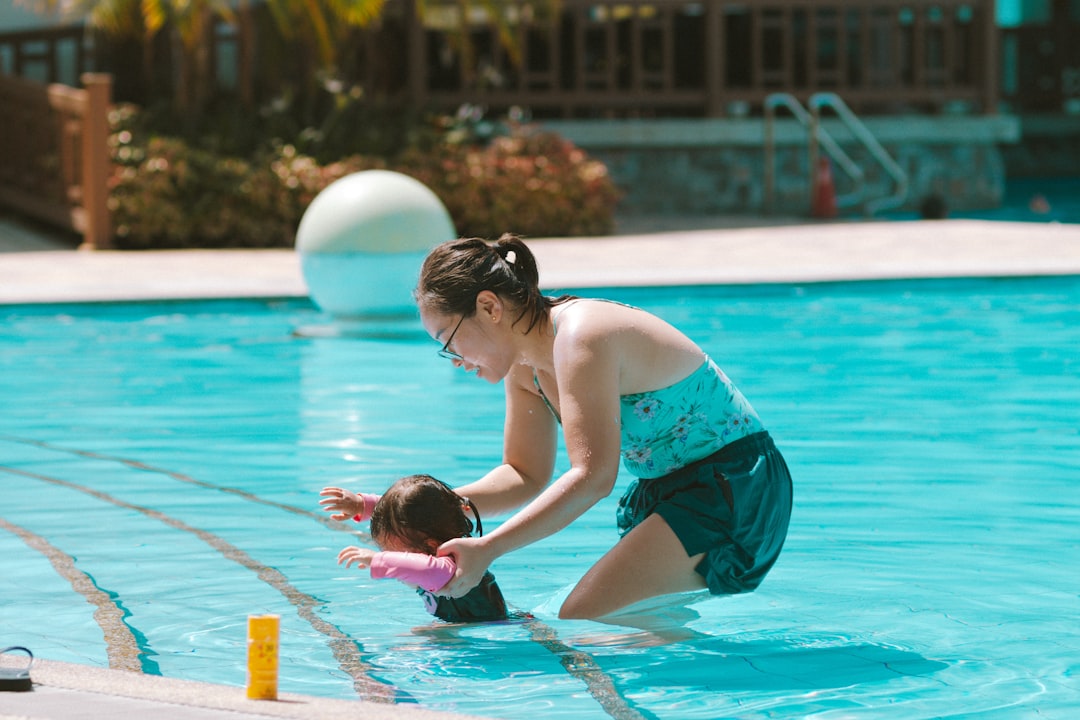
While babies aren’t ready for traditional swimming strokes until they are much older, water acclimation can begin quite early. Many parents find that the bathtub is the perfect place to start. Gentle splashing and letting water run over a baby’s shoulders can help them become familiar with the sensation of being wet and buoyant.
For organized “parent and me” water classes, many programs in the United States accept infants as young as four to six months old. At this stage, the focus is not on “swimming” but on water play, bonding, and safety awareness. These classes can be a wonderful way for you to learn how to hold your baby securely in the water while helping them feel at ease in a pool environment.
Before enrolling in any water-based program, it is often a good idea to have a quick conversation with your pediatrician. They can confirm that your baby’s immune system is ready for a public pool and that they have reached the necessary physical milestones to participate safely.
Water Safety: The Number One Priority
Regardless of how comfortable a baby seems in the water, safety must remain the absolute priority for every caregiver. Infant drowning can happen quickly and silently, often in just a few inches of water. Because babies have relatively heavy heads and limited neck strength, they may find it difficult to lift their faces out of the water if they slip.
The concept of “touch supervision” is the gold standard for infant water safety. This means that whenever your baby is in or near water—whether it is a bathtub, a wading pool, or a larger swimming pool—an adult should be within arm’s reach at all times. Distractions like cell phones or conversations with other adults should be set aside to ensure constant, active supervision.
It is also helpful to be aware of the environment. Ensure that home pools are fenced on all four sides and that gates are self-closing and self-latching. In 2026, many families also utilize pool alarms and wearable safety devices, but these should never be viewed as a replacement for a watchful adult eye.
What to Expect from Early Water Classes
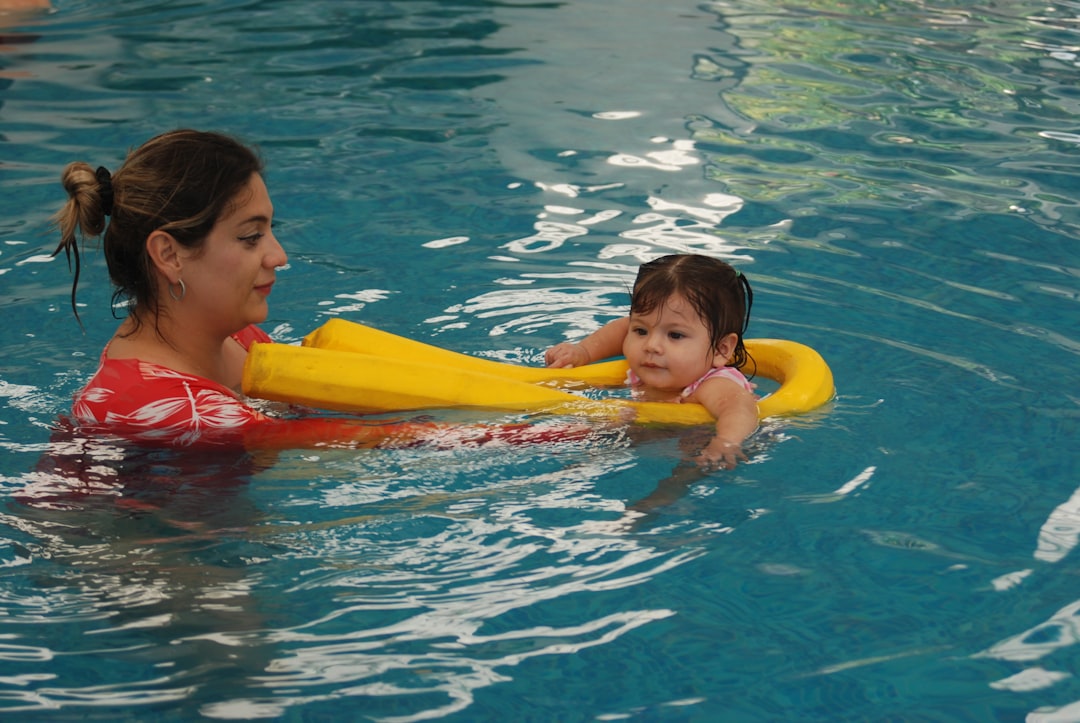
If you decide to enroll your baby in a water introduction class, it’s helpful to have realistic expectations. These sessions are usually designed to be fun and low-pressure. You can expect to spend most of the time holding your baby, singing songs, and moving gently through the water together.
The goals of these early classes usually include:
- Building Confidence: Helping the baby feel secure while being held in a large body of water.
- Breath Control: Using cues, such as “Ready, set, go,” before gently pouring a bit of water over the baby’s head to prepare them for future submersion.
- Sensory Integration: Allowing the baby to feel the resistance and buoyancy of the water on their skin.
- Parental Education: Teaching caregivers how to safely handle an infant in a pool setting and identifying potential hazards.
Avoid programs that use “survival” techniques involving dropping an infant into the water to see if they can flip onto their back, unless these are conducted by highly specialized, certified instructors and you feel completely comfortable with the method. Many parents prefer a more gradual, play-based approach that prioritizes the emotional well-being of the child.
Health Considerations: Chlorine and Skin Care
A baby’s skin is much thinner and more sensitive than an adult’s. Chlorine and other pool chemicals can sometimes lead to dryness or irritation. To help protect your baby’s skin, you might consider rinsing them with fresh water immediately after leaving the pool. Applying a gentle, hypoallergenic baby moisturizer after their post-swim bath can also help lock in moisture.
Temperature is another vital factor. Babies lose body heat much faster than adults do. Most pediatric experts recommend that pool water be at least 84 to 86 degrees Fahrenheit (29 to 30 degrees Celsius) for infants. If your baby starts to shiver or their lips take on a slightly blue tint, it is time to dry them off and warm them up immediately.
Ear health is also a common concern. While “swimmer’s ear” is more common in older children who spend a lot of time underwater, it is still a good practice to gently dry the outer part of your baby’s ears with a soft towel after water play. Avoid using cotton swabs inside the ear canal.
The Developmental Path to Real Swimming
So, when does “real” swimming actually happen? Most children do not have the physical coordination or the cognitive ability to learn formal swimming strokes, such as the freestyle or breaststroke, until they are at least four years old. Between the ages of one and four, the focus shifts toward “water survival skills,” such as learning how to blow bubbles, float on their back, and reach for the side of the pool.
Every child develops at their own pace. Some toddlers may be eager to jump in, while others might be more cautious. Respecting your child’s temperament is key to preventing a fear of water. By keeping experiences positive and consistent throughout their early years, you lay the groundwork for them to become strong, capable swimmers when they are developmentally ready.
Preparing for Your First Pool Visit
If you are planning your first trip to the pool in March 2026, a little preparation goes a long way. Having the right gear can make the experience much smoother for both you and your baby.
- Swim Diapers: Regular diapers will swell and become heavy in the water. Use reusable or disposable swim diapers designed to contain solids.
- Warm Towels: Have a large, hooded towel ready to wrap your baby in as soon as they exit the water.
- Sun Protection: If you are outdoors, remember that the AAP generally recommends keeping babies under six months out of direct sunlight. For older babies, use UV-protective swimwear and baby-safe sunscreen as directed by your doctor.
- Patience: Your first few visits might only last 10 or 15 minutes. That is perfectly normal! Follow your baby’s lead and keep the experience brief and happy.
Common Myths About Babies and Water
There is a lot of misinformation surrounding infant swimming, which can cause unnecessary worry for parents. One common myth is that babies can “forget” how to swim if they aren’t started in infancy. Since babies don’t actually learn to swim consciously at that age, there is no skill to forget. Starting later, when a child is more physically coordinated, is often just as effective.
Another myth involves “dry drowning” or “secondary drowning.” While these terms are frequently used in social media headlines, medical professionals generally prefer the term “immersion injury.” While it is rare, if a baby inhales water, they may show signs of respiratory distress later. If your baby has a significant coughing fit after being in the water, or if you notice labored breathing, extreme lethargy, or changes in behavior, you should seek medical attention immediately. However, for most babies, typical water play does not pose this specific risk.
When to Call a Professional
Most water experiences for babies are uneventful and joyful. However, there are times when you should consult your pediatrician. Reach out to a healthcare provider if you notice:
- Persistent skin rashes that develop after pool time.
- Signs of an ear infection, such as tugging at the ear or unusual fussiness.
- Any signs of respiratory distress after a pool session.
- Red, irritated eyes that do not clear up shortly after leaving the water.
Your pediatrician can provide personalized advice based on your baby’s health history and local water conditions.
Frequently Asked Questions
At what age can I take my baby into a public swimming pool?
Most expe
rts suggest waiting until a baby is at least four to six months old before introducing them to a public pool. This allows their immune system to become more robust and ensures they have better head and neck control. Always check that the pool temperature is appropriately warm for an infant.
Do babies instinctively hold their breath underwater?
Very young infants often have a “diving reflex” that causes them to hold their breath and slow their heart rate when submerged. However, this is an involuntary reflex that eventually disappears. It is not a reliable safety mechanism, and babies should never be submerged without professional guidance and constant supervision.
What should a baby wear in the pool?
Babies should wear a properly fitted swim diaper to prevent accidents from entering the pool water. Depending on the temperature and sun exposure, they may also benefit from a thermal “baby wrap” or a long-sleeved rash guard with UPF protection.
Can babies catch a cold from swimming?
Swimming itself does not cause colds, which are viral infections. However, if a baby gets too cold in the water, it can stress their system. It is important to keep swim sessions short, ensure the water is warm, and dry the baby off thoroughly as soon as they get out.
Is chlorine harmful to my baby?
In well-maintained pools, chlorine is generally safe but can be drying to a baby’s sensitive skin and eyes. Rinsing your baby with fresh water after swimming and using a gentle moisturizer can help manage any potential irritation.
Friendly Disclaimer: This article is for informational purposes only and does not replace professional medical advice. If you have concerns about your baby’s health or development, please consult your pediatrician or a licensed healthcare provider.