
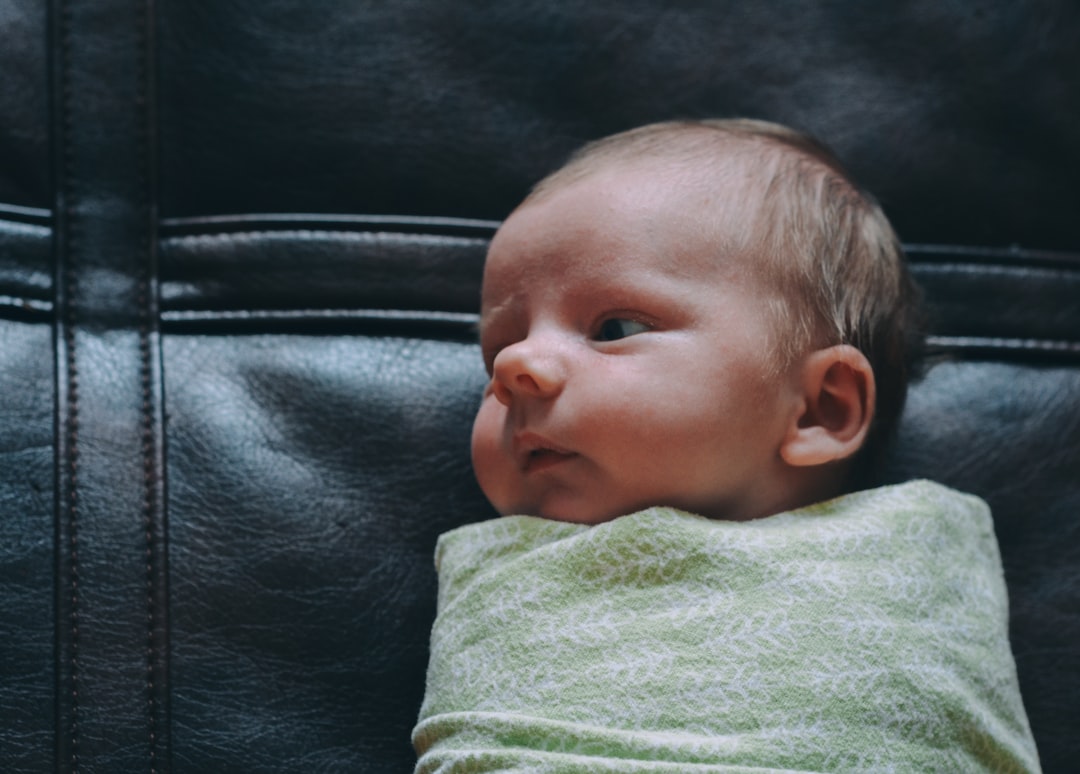
As you settle in for the night, checking on your sleeping baby is often the most peaceful part of your day. You expect to hear soft, rhythmic breathing, but occasionally, you might hear something more substantial—a whistle, a snuffle, or even a full-on snore. This often leads parents to wonder: Can babies snore, and if so, is it something to worry about?
It is quite common for infants to make various noises while they sleep. Their respiratory systems are still developing, and their nasal passages are incredibly small. While a snoring sound can be surprising coming from such a tiny person, it is often a normal part of infancy. However, understanding the difference between a harmless nighttime rumble and a sign that your baby needs a professional check-up is key to your peace of mind.
In this guide, we will explore why babies make these sounds, what is considered typical for a growing infant in 2026, and how you can ensure your little one is breathing comfortably through the night.
Is It Normal for Babies to Snore?
The short answer is yes; many babies snore or make snoring-like sounds at some point during their first year. In many cases, this is simply a result of how babies are built. Infants have very narrow airways, and because they are primarily “obligate nose breathers”—meaning they prefer to breathe through their noses rather than their mouths—any small obstruction can create a noise.
When we breathe, air travels past the soft tissues of the throat and nose. If those tissues vibrate, a snore is produced. In babies, these vibrations can happen more easily because their tissues are soft and their passages are tight. You might notice the sound is more prominent when they are in a deep sleep or if they have a bit of lingering amniotic fluid or mucus in their nose shortly after birth.
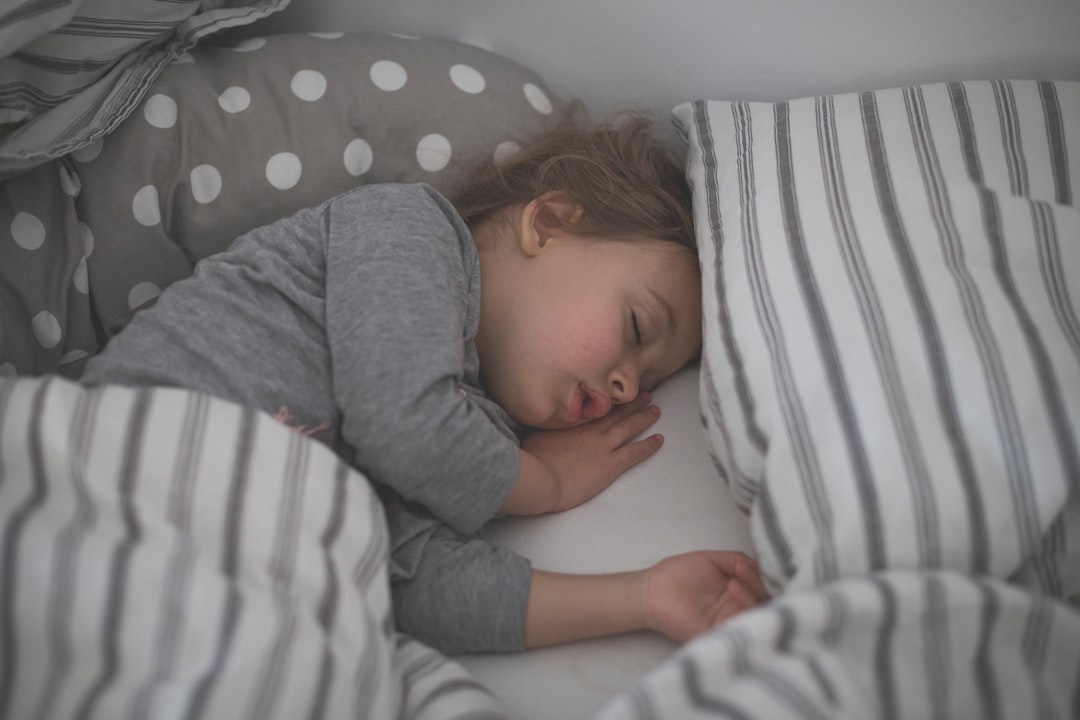
While occasional snoring is usually considered normal, it is helpful to observe the patterns. If the snoring is rhythmic, soft, and happens only occasionally, it is likely just a quirk of your baby’s current developmental stage. If the sound is loud, persistent, or accompanied by other signs of labored breathing, it warrants a closer look.
Common Causes of Infant Snoring
Understanding the “why” behind the noise can help demystify the experience. There are several common reasons why your baby might be snoring tonight.
Small Nasal Passages
Newborns have tiny nostrils. Even a microscopic amount of dust, dried milk, or normal nasal secretions can narrow the airway further. When air tries to squeeze through that narrow space, it creates a whistling or snoring sound. As your baby grows and their facial structure develops, these passages naturally widen, and the snoring often disappears on its own.
Lingering Congestion
Babies are prone to congestion because they cannot clear their own noses. A slight cold, environmental seasonal changes in this March 2026 weather, or even just dry indoor air can lead to mucus buildup. This buildup is a frequent culprit for temporary snoring. If your baby seems otherwise happy and is feeding well, this congestion is usually a passing phase.
Relaxed Throat Muscles
Just like adults, babies’ muscles relax when they enter deep stages of sleep. When the muscles in the back of the throat relax significantly, the airway can narrow slightly, leading to the vibration we recognize as snoring. This is often more noticeable when a baby is exceptionally tired and falls into a very heavy sleep.
Laryngomalacia
This is a common condition where the tissues of the larynx (voice box) are particularly soft. When the baby inhales, these soft tissues can partially collapse inward, creating a noisy breathing sound known as stridor, which parents often mistake for snoring. While it sounds dramatic, most babies outgrow this naturally by their first or second birthday as the cartilage strengthens.
Distinguishing Snoring from Other Noises
It is helpful for parents to distinguish between true snoring and other common infant sounds. Because babies are noisy sleepers, not every sound is a snore.
- Snuffles: These are usually caused by a tiny bit of mucus in the front of the nose. It sounds “wet” and often clears up after a sneeze.
- Whistling: This usually indicates a very small obstruction right at the opening of the nostril.
- Stridor: This is a high-pitched sound, usually heard when the baby is breathing in. It can be louder when the baby is active or crying.
- Rhythmic Snoring: This is the classic “sawing wood” sound that happens during the exhale or inhale while the baby is fully asleep.
What You Can Safely Do at Home
If your baby is snoring due to mild congestion or dry air, there are several gentle ways you can support their comfort. These methods focus on keeping the airways clear without the use of medication.
Use a Cool-Mist Humidifier
Dry air can irritate the sensitive lining of a baby’s nose, leading to swelling and snoring. Using a cool-mist humidifier in the nursery can add much-needed moisture to the air. This helps keep the nasal passages lubricated and can make it easier for your baby to breathe quietly. Ensure you clean the humidifier daily to prevent mold growth.
Saline Drops and Gentle Suction
If you suspect that mucus is the cause of the snoring, a drop or two of saline solution in each nostril can help loosen things up. After a few minutes, you can use a manual bulb syringe or a nasal aspirator to gently remove the loosened mucus. This is especially helpful before bedtime or a feeding.
Maintain a Clean Sleep Environment
Dust and pet dander can contribute to nasal irritation. Keeping the nursery clean and ensuring that pets stay away from the baby’s sleep surface can reduce the likelihood of snoring caused by environmental irritants.
Monitor Sleep Positions
Always follow safe sleep guidelines. Babies should always be placed on their backs to sleep. While some might suggest that side-sleeping reduces snoring, it significantly increases the risk of SIDS. Stick to the “Back to Sleep” rule; if the snoring persists on the back, it is better to consult a pediatrician than to compromise safety.
What to Avoid
When trying to help a snoring baby, it is just as important to know what not to do. Some traditional “remedies” for adult snoring are dangerous for infants.
- Do NOT use pillows or wedges: Never use a pillow to propped up a baby’s head. This can kink the airway and poses a major suffocation risk. The sleep surface must remain flat and firm.
- Avoid OTC medications: Never give a baby cold or cough medicine unless specifically directed by a pediatrician. These are generally not recommended for children under the age of four.
- Avoid “anti-snore” devices: Products marketed to stop snoring in adults, such as nasal strips or mouthpieces, are never safe for infants.
When Should You Call the Pediatrician?
While most infant snoring is harmless, there are times when it can indicate an underlying issue, such as pediatric obstructive sleep apnea or enlarged tonsils and adenoids. Trusting your intuition is important. You should reach out to your healthcare provider if you notice any of the following:
Pauses in Breathing
If your baby stops breathing for several seconds and then gasps or snorts to “catch” their breath, this could be a sign of sleep apnea. This condition occurs when the airway is momentarily blocked during sleep.
Labored Breathing
Watch your baby’s chest and neck while they sleep. If the skin is “sucking in” around the ribs or the base of the throat (known as retractions), it means they are working too hard to pull air in. This requires medical evaluation.
Excessive Daytime Sleepiness or Irritability
If your baby is snoring loudly and seems unusually exhausted, fussy, or has trouble feeding during the day, their sleep quality might be compromised. A baby who isn’t getting restful sleep because of breathing struggles may struggle to meet developmental milestones.
Snoring with a Fever
If the snoring starts suddenly and is accompanied by a fever, it likely indicates an infection or illness that needs a doctor’s attention.
Blue Tint to the Skin
If you ever see a blue or dusky tint around your baby’s lips, tongue, or fingernails, this is a medical emergency. It suggests they are not getting enough oxygen, and you should seek immediate care.
Normal Development and Sleep Noises
As we move through 2026, our understanding of infant sleep continues to grow. We know more than ever about how much “active sleep” babies participate in. During active sleep (REM sleep), babies may twitch, make faces, and breathe irregularly. This irregular breathing can sometimes sound like a series of short snores followed by a pause and then a long breath.
In most cases, this is simply a sign of a healthy, developing brain. By the time most babies are six to nine months old, their airways have grown significantly, they have better head and neck control, and many of these nighttime noises naturally taper off.
Final Thoughts for Parents
Hearing your baby snore can be a point of anxiety, but in the vast majority of cases, it is a normal part of the “noisy baby” phase. Your role is to provide a safe sleep environment, keep their tiny nose as clear as possible, and keep a watchful eye on their overall well-being.
If the snoring is a new development, try to record a short video of your baby sleeping to show your pediatrician. This provides them with much better information than a verbal description alone. Remember, you are the expert on your baby; if something feels “off” about their breathing, never hesitate to a
sk for a professional opinion.
Frequently Asked Questions
Is it normal for a newborn to snore?
Yes, it is very common for newborns to snore or “snuffle.” Their nasal passages are extremely narrow and can easily be slightly obstructed by mucus or even just the shape of their developing airway. Most newborns outgrow this within a few months.
Can allergies cause a baby to snore?
While true seasonal allergies are less common in very young infants, environmental irritants like dust, strong perfumes, or pet dander can inflame a baby’s nasal passages. This inflammation can lead to congestion and snoring.
Should I wake my baby if they are snoring?
Generally, you do not need to wake a snoring baby. If they are breathing rhythmically and their color is normal, they are likely fine. However, if you see them struggling for breath or if they have a long pause in breathing, you should gently stimulate them to wake up and consult a doctor.
Does snoring mean my baby has sleep apnea?
Not necessarily. While snoring is a symptom of sleep apnea, most babies who snore do not have the condition. Apnea is usually characterized by loud snoring combined with frequent pauses in breath and gasping sounds.
At what age do babies stop snoring?
There is no exact age, but many parents notice a significant decrease in sleep noises between 4 and 6 months. As the baby’s neck gets longer and their airway cartilage firms up, the vibrations that cause snoring often cease.
This article is for informational purposes only and does not replace professional medical advice. If you have concerns about your baby’s health or development, please consult your pediatrician or a licensed healthcare provider.