

Few questions cause new parents more anxiety than those revolving around sleep safety. When we talk about how to place a baby down for rest, the guidance must be crystal clear and consistently followed. The question, “Can babies sleep on their stomach?” is central to safe sleep practices and touches on the critical topic of Sudden Unexpected Infant Death (SUID), including SIDS.
As experienced parenting editors, our role is to provide you with the most current, calm, and practical safety guidance available in early 2026. We understand that navigating development and safety simultaneously can feel overwhelming, but we are here to offer support and clarity based on widely accepted medical consensus.
The definitive answer, according to the American Academy of Pediatrics (AAP) and other major health organizations, is straightforward: Infants should always be placed to sleep on their backs for every sleep, whether it is a nighttime rest or a short nap.
This commitment to back sleeping is the single most effective step parents can take to reduce the risk of SIDS and other sleep-related tragedies. Below, we will explore why this recommendation is so important, when (and if) the guidance changes, and how to maintain a safe sleep environment as your baby grows.
The Essential Rule: Back to Sleep, Every Time
Since the introduction of the “Back to Sleep” public health campaign decades ago, the rate of SIDS has declined dramatically. This recommendation is not merely a suggestion; it is the cornerstone of infant safe sleep.
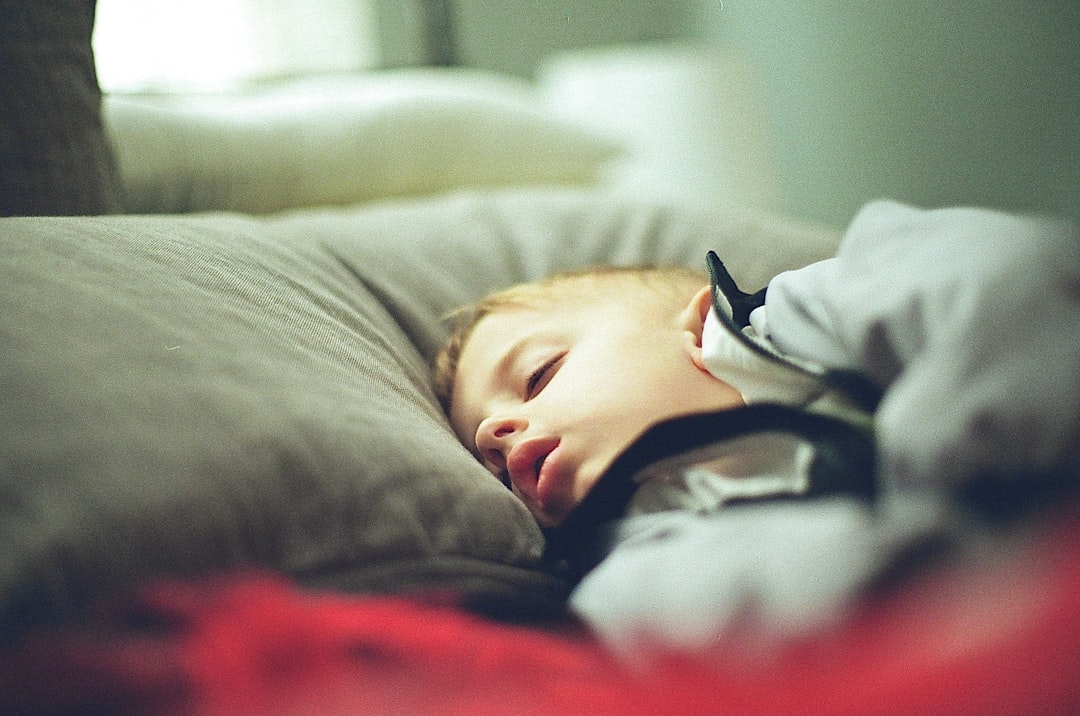
When you prepare your baby for sleep, whether they are a newborn in February 2026 or a rapidly growing six-month-old, the starting position must always be the back (supine position). This applies until the baby reaches their first birthday.
Why is this position so critical? Placing an infant on their stomach (prone position) for sleep can increase several risk factors, primarily related to breathing and overheating.
Understanding Why Tummy Sleeping is Discouraged
While stomach sleeping may feel cozy or comforting to some adults, it poses two primary concerns for infants, especially those under six months old:
- Airway Obstruction: When a baby sleeps face down, particularly on soft bedding or if they have poor head control, their chin may tuck into their chest or their nose and mouth may be too close to the mattress. This positioning can partially obstruct the airway, making breathing difficult.
- Rebreathing Exhaled Air: If a baby sleeps face down on a soft surface, they can sometimes re-breathe their own exhaled air. This causes an increase in carbon dioxide levels and a decrease in oxygen levels. An infant’s natural reflex to wake up or move when breathing is compromised may not always activate, which is a key factor in SIDS cases.
The AAP emphasizes that all infants should be placed on a firm, flat, non-inclined surface, like a crib mattress covered by a fitted sheet, to minimize these risks. Tummy sleeping defeats the purpose of providing a firm sleep surface and significantly heightens the risk profile.
The Transition Point: When Babies Start Rolling Over
For many parents, the safe sleep rule becomes confusing around the four-to-six month mark, which is when many babies begin to develop the strength and coordination to roll over. This is a major developmental milestone, but it often throws a wrench into established routines.
A parent’s first reaction when they check on their baby and find them sleeping on their stomach is usually panic: Should I flip them back over? Have I failed at safe sleep?
What to Do When Your Baby Rolls Themselves Over
This is where the safe sleep guidance subtly shifts based on the baby’s demonstrated physical capabilities.
The Rule Remains: Always place your baby down to sleep on their back.
The Exception (Post-Roll): Once your baby consistently demonstrates that they can roll from their back to their stomach, and then back again, independently, you generally do not need to intervene and reposition them once they have assumed the tummy position during sleep.
A strong, mobile baby who has rolled themselves into the tummy position has developed the muscle control to adjust their head if they feel uncomfortable or if their breathing is impeded. This is a protective developmental step.
However, this exemption is entirely dependent on maintaining a 100% safe sleep environment:
- Ensure a Firm Surface: The baby must be sleeping on an approved firm crib mattress.
- Keep the Crib Bare: There must be no loose blankets, pillows, crib bumpers, or soft toys in the crib. A mobile baby sleeping on their stomach requires a completely empty space to prevent suffocation hazards.
If your baby can only roll *one way* (back to stomach, but not stomach to back), it is often recommended to continue flipping them back onto their back until they master the full range of motion. Discuss this specific situation with your pediatrician for personalized advice, as every baby’s development schedule is unique in 2026.
Creating the Foundation: The Safe Sleep Environment (2026 Guidelines)
While the focus of this article is on positioning, the safety of a baby sleeping on their stomach hinges entirely on the safety of the environment they are in. If you are placing your baby on their back, these steps provide maximum risk reduction:
1. Use an Approved Sleep Surface
The surface must be flat and firm. This includes cribs, bassinets, and portable play yards that meet current US federal safety standards. Never use soft bedding, old mattresses, adult beds, couches, recliners, or car seats (outside of travel) for routine sleep.
2. Keep the Sleep Area Bare
This is often the hardest rule for parents to follow because decorative items or soft blankets look comforting. However, they pose serious suffocation and strangulation hazards. The only items permitted in the crib are the baby and the fitted sheet.
- Avoid Loose Bedding: Replace blankets with a sleep sack or wearable blanket that fits appropriately for your baby’s age and size.
- No Pillows or Crib Bumpers: These items should be removed entirely. Crib bumpers, even mesh ones, are not recommended as they can present entrapment risks or reduce airflow.
3. Manage Temperature and Dress Appropriately
Overheating is an identified risk factor for SIDS. If a baby feels hot to the touch or is sweating, they may be dressed too warmly. Use only one extra layer more than an adult would wear comfortably in the same environment. Avoid hats during indoor sleep, as the head is important for temperature regulation.
4. Room Sharing, Not Bed Sharing
The AAP strongly recommends that parents share a room with their infant (with the infant in their own separate, safe sleep space) for at least the first six months, and ideally for the first year. Room sharing can reduce the risk of SIDS significantly, potentially because the sounds and presence of the parent can help regulate the baby’s arousal during sleep.
Crucially, never bring your baby into an adult bed for routine sleep, especially if they are under one year old. Adult beds present multiple hazards, including soft bedding, pillows, gaps, and the risk of accidental rolling onto the baby.
Addressing Common Parental Anxiety Points
Many parenting questions arise directly from observing a baby’s natural behavior. It is important to separate a medical safety issue from normal developmental frustration or preferred resting positions.
My Baby Hates Back Sleeping!
It’s common for infants, especially those dealing with gas or reflux, to protest when placed on their back. Parents often worry that back sleeping makes their baby uncomfortable. Consistency is key here. Babies quickly learn the routine. If placed on their back consistently from birth, they often adjust quickly.
If intense crying or refusal to sleep occurs, speak to your pediatrician. They can evaluate whether issues like severe reflux (Gastroesophageal Reflux Disease) are contributing to discomfort and suggest safe strategies for managing pain while maintaining a safe sleep position.
What About Tummy Time?
Tummy time, the practice of placing infants on their stomach while awake and supervised, is essential for development. It helps babies build crucial neck, shoulder, and back strength necessary for rolling, crawling, and eventually sitting up. Tummy time should happen several times a day while the baby is alert and under direct supervision. This is distinctly different from unsupervised sleep.
Reflux and Sleeping Position
Some medical conditions, such as severe reflux, may lead parents to believe their baby needs to sleep on an incline or on their stomach. However, current consensus dictates that the risks associated with inclined or prone (stomach) sleeping typically outweigh the benefits, even for reflux. Inclined sleep surfaces are generally not recommended due to safety concerns.
If your child has a medical condition requiring specific positioning for sleep, this must be discussed thoroughly with and supervised by a qualified pediatrician. Do not attempt medically motivated positioning without direct medical guidance.
When Should I Call the Pediatrician?
The good news is that for most healthy babies, following the standard safe sleep guidance is sufficient. However, if you are concerned, seeking professional advice provides reassurance and safety.
Consult your pediatrician or licensed healthcare provider immediately if:
- You are advised by a non-medical source to ignore safe sleep guidelines: If you receive conflicting information, your doctor is the definitive source for your child’s health.
- Your baby has diagnosed medical issues: If your baby has breathing issues, severe reflux, or structural concerns that make back sleeping appear impossible or dangerous, your doctor needs to provide a medically supervised alternative plan.
- Your baby seems unable to breathe comfortably on their back: While this is rare, a pediatrician should evaluate any respiratory difficulties immediately.
- You feel overwhelmed by sleep anxiety: If fear about safe sleep is significantly impacting your well-being or your ability to rest, your doctor can provide targeted reassurance and resource referrals.
Remember, your pediatrician is your partner in care. They can provide context and discuss whether your child’s specific development or health profile requires any deviation from standard guidelines. In February 2026,

most healthcare professionals remain firmly aligned with the back-to-sleep recommendation for all healthy infants.
Frequently Asked Questions About Baby Sleep Positioning
Does back sleeping cause flat spots on the baby’s head (Plagiocephaly)?
While sleeping exclusively on the back can sometimes lead to temporary flattening of the back of the head, this is usually cosmetic and correctable. This cosmetic concern is far outweighed by the significant safety benefits of reducing SIDS risk. You can manage this by maximizing supervised tummy time and holding your baby upright when they are awake.
Is it okay if my baby is restless and wiggles all night?
Restlessness and minor wiggling are very common in infants, especially as they cycle through sleep stages. As long as your baby is in a safe, bare crib and starts on their back, wiggling should not be a cause for worry. If the movement seems extreme or you suspect discomfort, check for overheating or illness.
If my baby falls asleep on the couch, should I move them?
Yes, immediately. If an infant falls asleep on any non-approved surface—such as a couch, armchair, or adult bed—they must be moved to their crib, bassinet, or portable play yard as soon as you notice. Sofas and couches are particularly hazardous due to soft cushions and crevices where the baby can become trapped.
When can my baby sleep with a blanket?
Experts recommend keeping the crib completely bare until the baby reaches their first birthday. After their first birthday, when the risk of SIDS has dropped significantly and the baby has better physical mobility, a small, lightweight blanket may be introduced safely.
***
Friendly Disclaimer
This article is for informational purposes only and does not replace professional medical advice. If you have concerns about your baby’s health, development, or specific sleep positioning needs, please consult your pediatrician or a licensed healthcare provider.