

Few questions capture the imagination of a new parent quite like the idea of their baby seeing something they cannot. We’ve all been there: observing a newborn intently staring at an empty corner, giggling at the ceiling, or suddenly tracking an invisible movement across the wall. It’s natural to wonder, given these mysterious moments, if infants are somehow more connected to the unseen world.
If you find yourself googling “Do babies see spirits?” or “Why is my baby staring at nothing?” please know you are not alone. This is a common point of curiosity and sometimes anxiety for caregivers. However, as experienced parenting editors, we approach this fascinating topic by grounding our understanding in what we know about infant brain development, sensory processing, and, most importantly, the incredible journey of visual maturity that happens during the first year of life.
This article aims to provide calm, trustworthy, and practical explanations for these mysterious staring sessions. We will explore the remarkable science behind how your baby’s vision develops and why these intense periods of focus are usually a sign of complex learning and growth, not paranormal activity. Our goal is always to support you with information, reassurance, and guidance, empowering you to better understand your baby’s daily experience in the year 2026.
Addressing the Question: Developmental Processing vs. the Paranormal
The core search intent behind the question, “Can babies see ghosts?” is reassurance. Parents want to know if what they are observing is normal, safe, and explainable. While our site cannot address philosophical or spiritual beliefs about the supernatural, we can explain, through the lens of science and infant development, why babies behave in ways that often seem mysterious to adults.
The vast majority of scientific and medical consensus points toward developmental milestones, visual immaturity, and sensory processing as the primary drivers behind unusual staring or tracking behaviors in infants.
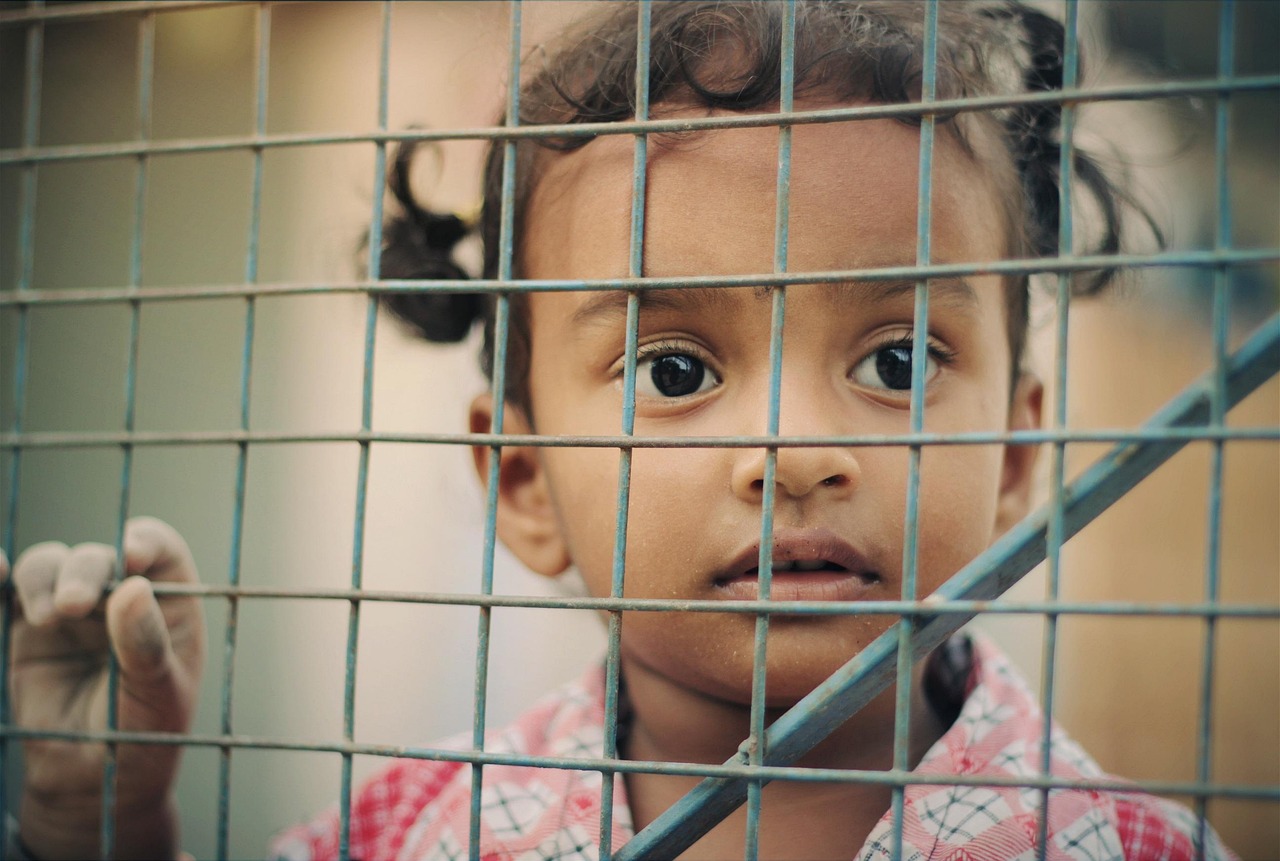
A baby’s brain is a complex processing unit running millions of tasks simultaneously for the very first time. They are absorbing and filtering the world without the decades of practice and established cognitive patterns that adults rely on. What seems like an empty space to us is often a landscape of high contrast, movement, and light changes to them.
Understanding Your Baby’s Unique Visual World
A newborn’s vision is remarkably different from that of an older child or adult. They are born with excellent hearing, but their sight takes time to fully mature. This developing visual system is the key to understanding many of those moments where your baby appears to be observing something you cannot.
The Early Focus: Contrast and Motion
In the earliest months of 2026, when your baby is just a newborn, their world is blurry. They focus best on objects approximately 8 to 15 inches away—the distance between their eyes and yours during a feed. Their visual acuity is low, meaning they prioritize high contrast (like black and white patterns or the hairline against your skin) and simple motions.
Because their vision is still learning to coordinate, small shifts in light, subtle shadows, or minor movements that the adult brain automatically filters out can become major, compelling events for a baby. A piece of lint floating in the air, a shadow cast by a passing cloud, or a flicker of light reflecting off a picture frame may captivate their attention for long stretches.
Developing Depth Perception
Depth perception is a skill that develops gradually, often around the 4-to-6-month mark, as the baby learns to coordinate both eyes together (binocular vision). Before this skill fully matures, they may stare intensely at a flat surface—like a plain wall—because their brain is still struggling to differentiate background from foreground. The lack of distinguishing features on a flat surface can sometimes cause their eyes to momentarily lose focus or align in a way that makes the environment look unusual, prompting a deep, fixed stare.
Common Reasons Why Babies Seem to Track or Stare at “Nothing”
When a parent observes their baby staring or smiling at an empty spot, the behavior is usually attributed to one or more of these scientifically plausible, developmental explanations:
- Processing Sensory Overload: The world is loud, bright, and constantly moving. Sometimes, intense staring is a sign that the baby has paused external movement to concentrate entirely on processing sensory data. They might be in a “quiet alert” state, analyzing what they just saw, heard, or felt.
- Tracking Minute Environmental Stimuli: This is perhaps the most common reason. Adult brains are experts at ignoring irrelevant information. We disregard dust motes floating in sunbeams, the slow creep of shadows, or subtle air currents. To a baby, these tiny movements are highly engaging and are often the focus of their intense, unblinking gaze.
- The Role of Peripheral Vision: An infant’s peripheral vision is often better developed than their central vision in early life. They may pick up on movement or light changes far off to the side, causing them to turn their heads or gaze toward something that appears, to us, to be entirely absent.
- Phosphenes and Eye Fatigue: Sometimes, the “thing” a baby is staring at or tracking is actually an internal visual artifact. Phosphenes are sensations of light that are produced internally by stimulation of the visual system, sometimes caused by pressing on the eye, extreme eye movement, or simply processing residual images after looking at a bright light.
- Auditory Localization: A baby might be staring at a specific spot on the ceiling or wall because they are listening intently to a sound coming from that general direction. This could be a pipe knocking, a car horn outside, or a structural sound that the adult brain has long learned to ignore.
It’s important to remember that a baby’s experience of reality is purely immediate. They are not inventing stories or anticipating outcomes; they are simply reacting to the immediate sensory input they receive.
Infant Behavior: Staring, Smiling, and Giggling
If your baby smiles or giggles while staring at an empty space, it understandably adds to the mystery. But this, too, has developmental explanations that are usually considered normal.
The Power of Reflexive Smiles
In the early weeks, smiles are often reflexive—a biological response not necessarily tied to an external stimulus. While the first “social smiles” (those directed at a parent) typically emerge around 6 to 8 weeks, babies often smile during sleep or when processing internal sensations, such as gas or satisfaction.
The Thrill of Discovery
As they get older, around 4 to 6 months in 2026, their smiles become truly responsive. If they are staring intently at the flickering reflection of light from a glass of water and the light shifts suddenly, that moment of unexpected input can be truly delightful and trigger a happy reaction. They may be smiling at the realization that they can control the focus of their eyes, or simply enjoying the visual novelty of a pattern changing.
It is common, and quite charming, for babies to find simple environmental changes—a rotating fan, a textured carpet, the color variance on a plain wall—far more entertaining than the complex toys designed for them.
When Should I Call My Pediatrician?
While staring and tracking behavior is usually considered normal and a part of healthy development, there are certain behaviors that, when combined with other symptoms, should prompt a conversation with your licensed healthcare provider. Remember, we write this content to support you, but we do not replace medical advice.
If the staring behavior occurs in isolation and the baby is otherwise happy, interactive, reaching milestones, and responsive to your voice, it is highly likely a normal part of development. However, seek guidance if you notice any of the following concerning signs:
Consult a medical professional if the staring is:
- Fixed and Unresponsive: If your baby is staring intensely and cannot be easily roused or distracted by sound, touch, or movement, and this happens frequently.
- Accompanied by Repetitive Movements: If the staring is associated with unusual, repetitive jerking motions of the arms, legs, or head, or sudden muscle stiffening.
- Associated with Loss of Milestones: If the baby has suddenly stopped showing interest in social interaction, stopped tracking objects, or appears to be regressing in other developmental areas (e.g., loss of head control or vocalizations).
- Sustained and Uninterrupted: If the baby is staring for many minutes at a time, several times a day, without obvious environmental triggers.
Any sudden or dramatic change in behavior, vision, or responsiveness should always be discussed with your pediatrician during your regular well-child visit or sooner if you are concerned.
Practical Parenting Guidance: What You Can Safely Do
If you are concerned about your baby’s intense staring, there are several calm, non-judgmental ways to interact with the behavior:
- Engage Them Directly: If your baby is deeply focused on something unseen, gently try to redirect their attention to your face or an object 8-10 inches away. If they break focus and interact with you, it confirms they are simply processing visual input and not locked in a fixed state.
- Simplify the Environment: If your baby seems overly sensitive or overwhelmed, reduce environmental stimulation. Dim the lights, speak in a lower tone, and minimize background noise. This can help them settle and focus on key interactions.
- Focus on the Fundamentals: Ensure your baby is well-rested and well-fed. Sensory processing is far more difficult when a baby is fatigued or hungry, often leading to increased fussiness or periods of zoning out.
- Document the Behavior: If you plan to speak with your pediatrician, keep a brief log. Note when the staring happens, how long it lasts, and if there are any associated movements or sounds. This objective data may help the doctor assess the situation accurately.
Remember, periods of deep concentration are a fundamental part of learning. When your baby stares, they are often building the foundational pathways for understanding space, distance, and movement. This is a sign of

a brain hard at work.
Frequently Asked Questions About Infant Staring
Do babies actually have superior senses that allow them to see things adults cannot?
While infants are incredibly sensitive to minor sensory details that adults filter out—like subtle shadows or faint sounds—their overall visual acuity is poor compared to adults. They are experiencing the world with raw, unprocessed information, but this is due to developmental immaturity, not necessarily superior perception of reality.
Is it bad if my baby stares at the ceiling for long periods?
Staring at the ceiling is very common, especially in newborns. Ceilings often provide subtle visual contrast, changes in plaster texture, or light reflections that capture an infant’s attention. As long as your baby responds normally to your voice and touch, this deep focus is usually a normal part of their visual exploration.
Could staring at nothing be a sign of a vision problem?
While intense, fixed staring (especially if unresponsive) can sometimes be a subtle sign related to vision or neurological processing, in most cases, it is not. If you have concerns about your baby’s ability to track objects, follow light, or make eye contact, it is always recommended to discuss these observations with your pediatrician.
My baby laughs when they look at an empty corner. Is that strange?
Laughter or smiling while staring is usually a sign of intense positive processing. Your baby may be laughing because a reflection shifted, they recognized a previously seen pattern, or they were simply delighted by an internal sensation while their eyes were fixed on that spot. It is very rarely a cause for concern.
Friendly Disclaimer: This article is for informational purposes only and does not replace professional medical advice. If you have concerns about your baby’s health, visual development, or behavior, please consult your pediatrician or a licensed healthcare provider.