

Few topics cause more immediate concern for parents than introducing allergens, and peanut butter sits right at the top of that list. If you are preparing to introduce solids to your little one in early 2026, you may feel confused by all the conflicting advice that has circulated over the years. Should you avoid it entirely, or rush to introduce it?
The good news is that current recommendations offer clear, reassuring guidance. The way we approach peanut introduction today has completely changed, shifting from avoidance to early, controlled exposure. This shift is rooted in research focused on helping babies develop tolerance to common allergens.
As a caregiver, your primary goals are safety and clarity. This guide will walk you through the modern approach to safely introducing peanuts to your baby, clarifying when to start, what forms are safe, and what signs of allergic reaction require your attention. We write this as a supportive editor, always reminding you that this information supports, but never replaces, the advice of your pediatrician.
The Shift in Guidance: Why Early Introduction is Recommended
For many years, the standard advice was to delay the introduction of highly allergenic foods like peanuts until a baby was older, often past their first birthday. However, major health organizations, including the American Academy of Pediatrics (AAP), now generally support and often recommend early introduction.
Why the major change? Research strongly suggests that introducing peanuts early—while a baby is still developing their immune system—can potentially reduce the risk of developing a peanut allergy later in childhood. This strategy focuses on offering the baby’s immune system a chance to recognize peanuts as food, rather than as a threat.
This early introduction is particularly important for infants who may be considered higher risk. If your baby has severe eczema or an egg allergy, they may fall into this category. If you are unsure about your baby’s risk level, or if you have a family history of allergies, this is definitely a conversation to have with your pediatrician during your upcoming well-child visit.
When is the Right Time to Introduce Peanuts?
The recommended window for introducing solid foods typically opens around four to six months of age, once your baby shows signs of developmental readiness. This readiness is key, regardless of the specific food being introduced.
Developmental Readiness Markers
Before offering any solids, including peanut products, ensure your baby exhibits these markers:
- They can hold their head up steadily.
- They can sit up well, either supported or unsupported.
- They show interest in food and may lean forward or open their mouth when food is presented.
- They have lost the tongue-thrust reflex, which means they can move food to the back of their throat to swallow, rather than automatically pushing it out.
Once solids have been successfully introduced—meaning your baby is already managing single-ingredient purees or smooth cereals—you can begin thinking about allergens.
Timing for High-Risk Infants
For babies deemed high-risk by their pediatrician (perhaps due to severe eczema), doctors may advise introducing peanuts as early as four to six months. In this situation, the introduction is often guided by specific protocols set by the healthcare provider to ensure maximum safety.
Timing for Low-Risk Infants
For babies who are considered low-risk and have no family history of allergies, the consensus is usually to introduce peanuts along with other foods when the baby is developmentally ready. Waiting until a baby is closer to six months, or whenever you start general solids, is often appropriate. There is usually no need to rush, but also no need to delay past 11 or 12 months.
The Golden Rule: Avoiding Choking Hazards
The question isn’t usually if babies can have peanut butter, but how they can have it. The consistency of standard peanut butter poses a significant choking risk to infants and young toddlers. Because peanut butter is thick, sticky, and difficult to dissolve in the mouth, a clump can easily block a baby’s airway.
Therefore, never give a baby the following:
- A spoonful of sticky peanut butter straight from the jar.
- Peanuts (whole or halved) or other whole nuts.
- Thick globs of peanut butter spread on toast or crackers.
The consistency must always be modified until it is smooth, thin, or fully incorporated into a dissolvable food base.
Safe Ways to Introduce Peanuts to Your Baby
The goal of the first exposure is to offer a small, consistent amount of peanut protein in a safe format that minimizes the choking risk while maximizing the immune exposure.
Method 1: The Diluted Mixture
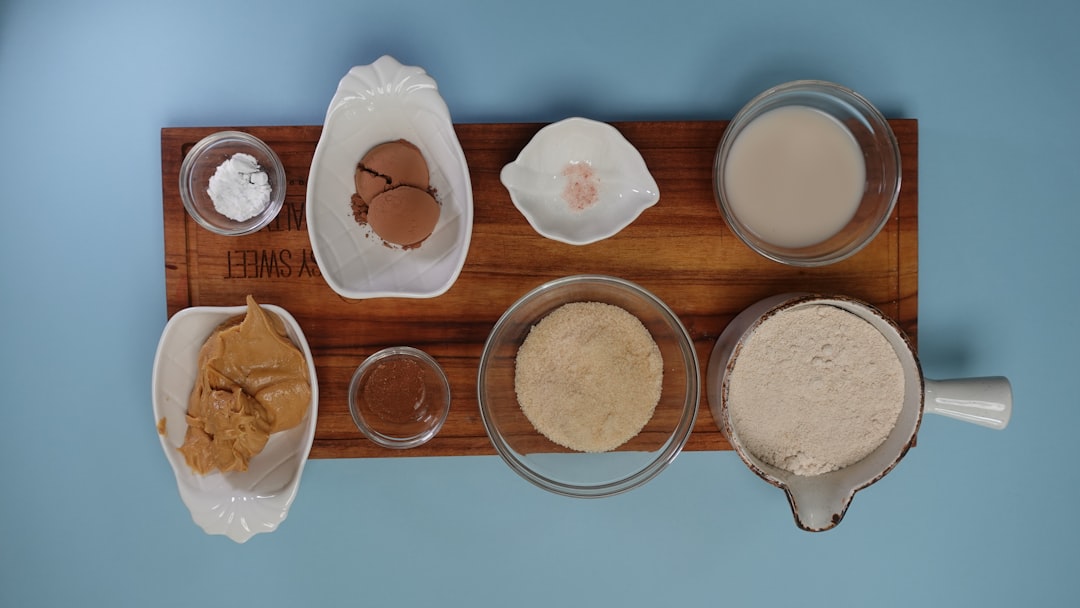
This is one of the most common and safest methods. Take 2 teaspoons of smooth, creamy peanut butter (avoid chunky, as the pieces can pose a hazard). Mix it thoroughly with 2 to 3 tablespoons of warm liquid—this can be breast milk, formula, or water. Stir until the consistency is smooth, thin, and resembles a very runny puree.
- Offer a small amount (about half a teaspoon) on the tip of a spoon or mixed into baby cereal.
- The mixture must be thin enough that it essentially melts or slides down the throat easily.
Method 2: Incorporating Peanut Powder
Some parents find it easier to use finely ground peanut powder (sometimes labeled as peanut flour or defatted peanut butter powder). This powder is easily mixed into foods your baby already eats.
- Mix 2 teaspoons of powder into 2 to 3 ounces of an existing puree (like apple sauce or banana).
- Ensure the powder is fully dissolved and there are no dry pockets left that could be inhaled.
Method 3: Commercial Peanut Snacks
There are several commercial products available in 2026 designed specifically for early allergen introduction. These often take the form of peanut-flavored puffs (similar to cheese puffs, but non-dairy and peanut-based).
- Choose products designed to dissolve quickly with saliva.
- Always supervise closely, even with dissolving puffs, and make sure your baby is sitting upright.
Important Safety Precautions During Introduction
The first introduction should always be a controlled event:
- Choose the Time Wisely: Offer the food in the morning or early afternoon. This allows you several hours to observe your baby for any signs of reaction before bedtime, giving you ample time to contact your pediatrician if necessary.
- Keep it Simple: Do not introduce any other new foods on the same day as peanuts. This way, if a reaction occurs, you know exactly what caused it.
- Observe Closely: Stay with your baby for the next two hours.
What to Watch For: Understanding Allergic Reactions
It is natural to feel anxious when introducing an allergen, but knowing the signs of a reaction empowers you to respond quickly and calmly.
Common Symptoms of a Mild Allergic Reaction
If you see these symptoms shortly after eating, they may indicate a mild to moderate reaction:
- Hives or rash, often localized around the mouth or face.
- Mild swelling of the face, lips, or eyelids.
- Runny nose or sneezing.
- A few episodes of vomiting or diarrhea.
If your baby exhibits mild symptoms, stop feeding immediately and contact your pediatrician for guidance. They may advise monitoring or recommend an over-the-counter antihistamine depending on the severity and your baby’s age.
Signs of a Severe Reaction (Anaphylaxis)
A severe reaction is rare but requires immediate emergency intervention. Call 911 or your local emergency number immediately if your baby shows any of the following:
- Difficulty Breathing: Wheezing, persistent coughing, shortness of breath, or a high-pitched sound when inhaling (stridor).
- Throat Swelling: Hoarse voice or difficulty swallowing.
- Sudden Paleness or Limpness: Looking unusually weak, floppy, or faint.
- Widespread Hives: Hives or redness covering large parts of the body, coupled with other symptoms.
If your baby has been prescribed an epinephrine auto-injector (EpiPen Jr.) due to a known high risk, administer it as directed and still call emergency services immediately.
After Successful Introduction: Maintaining Exposure
If the first introduction goes smoothly and your baby shows no signs of allergy, the process isn’t complete. To continue the potential protective effect, consistent exposure is usually recommended.
Current guidance suggests that once peanuts are introduced, they should be offered regularly—ideally 2–3 times per week. The amount offered should be the equivalent of about 2 teaspoons of peanut butter, spread out over those weekly feedings.
This regular maintenance is important. If you introduce peanuts once and then stop for several weeks or months, the protective benefit may be lost, and the risk of developing an allergy could increase. Consistency is your goal here.
Incorporating Peanuts into Daily Meals
Once your baby is used to the diluted mixture, you can try incorporating peanuts into other foods, always keeping choking safety in mind:
- Stir a small amount of smooth peanut butter into warm oatmeal or baby cereal.
- Mix peanut powder into yogurts (once dairy is introduced).
- Thinly spread smooth peanut butter onto a very small, soft piece of toast cut into manageable strips (ensure the layer is thin enough that it doesn’t gum up).
When to Consult Your Pediatrician
Your pediatrician is your best partner in navigating early allergen introduction. You should always consult them in the following situations:
- Before Introduction: If your baby has moderate to severe eczema, or if there is a known family history of food allergies (especially peanut allergy). Your doctor may recommend blood or skin prick testing before the first exposure.
- If There Are Delays: If your baby is nearing their first birthday and you haven’t introduced peanuts yet.
- Following Any Reaction: Even if the symptoms were mild, consult your doctor immediately following any observed reaction to peanuts. They can provide a clear follow-up plan, potentially including a referral to a board-certified allergist for testing and future management.
Remember, the goal is to feel empowered and informed. Starting solids is a fun, messy adventure, and modern safety guidelines help ensure that allergen introduction is just another normal, monitored step in that journey.
Frequently Asked Questions About Peanuts and Babies
Can I use crunchy peanut butter for babies?
No, crunchy peanut butter should be avoided entirely for infants and toddlers. The small, hard pieces of nut pose a se

rious choking hazard that is too risky for a young child who is still learning to chew and swallow complex textures. Stick only to smooth, creamy, and thoroughly diluted peanut butter or peanut powder.
If my baby has a mild reaction, should I stop offering peanuts forever?
Not necessarily. If your baby has a mild reaction, you must stop offering the food immediately and call your pediatrician. Do not re-introduce the food until you have spoken to a professional. Depending on the reaction, they may recommend further testing with an allergist to determine if future, supervised introduction is safe.
Is there a difference between “natural” peanut butter and conventional peanut butter for babies?
The main concern with natural peanut butter is often its oil content, which can sometimes separate and create a slightly thicker, stickier texture. Regardless of whether it’s “natural” or conventional, ensure the peanut butter is smooth, contains no whole chunks, and is thoroughly diluted with liquid until it is runny before feeding it to your infant.
How much peanut butter should I offer during the first attempt?
Start very small—about half a teaspoon of the fully diluted mixture. If your baby tolerates this amount well, you can gradually increase the quantity over the next several feedings, always maintaining the diluted, safe consistency. The total goal is usually about 2 teaspoons of peanut protein offered 2–3 times weekly.
Should I avoid peanuts if I ate them while pregnant or breastfeeding?
No, there is generally no evidence in 2026 to suggest that avoiding peanuts during pregnancy or breastfeeding reduces the risk of allergies. You should feel comfortable eating peanuts as part of your normal, balanced diet during these periods unless you have an allergy yourself.
***
Friendly Disclaimer: This article is for informational purposes only and does not replace professional medical advice. If you have concerns about your baby’s health, development, or allergies, please consult your pediatrician or a licensed healthcare provider.