
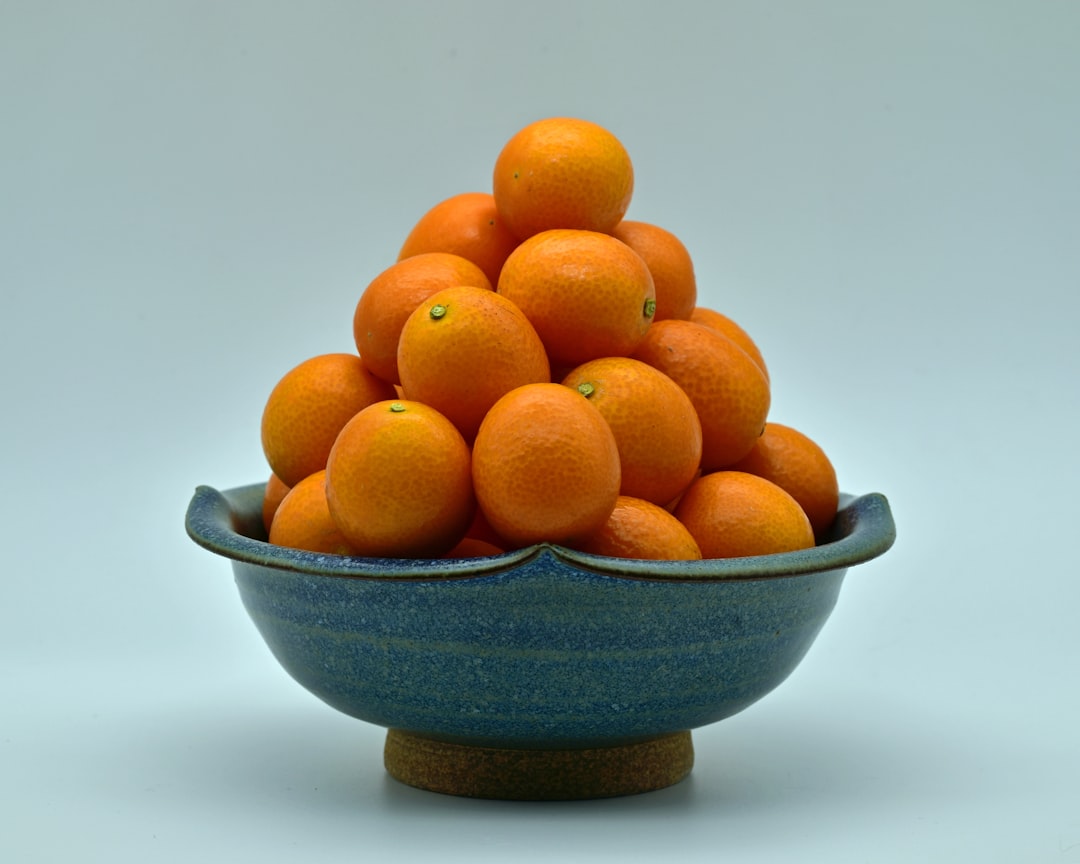
It is completely normal to look at a bowl of bright, colorful fruit and wonder if your baby is ready to enjoy it. Citrus fruits, especially vibrant oranges, often prompt this question for parents diving into the world of solids. Oranges are famous for their sweet taste and high nutrient content, but they also bring up legitimate concerns regarding acidity, texture, and potential sensitivities.
As you navigate the journey of introducing solid foods, timing and preparation are everything. While oranges offer wonderful nutritional benefits, they are often introduced slightly later than many other common fruits. We understand you want to share new flavors safely and confidently. This guide will help you understand when and how to safely introduce oranges to your baby, what to watch out for, and when it’s best to hold off.
The short answer is: Yes, babies can generally have oranges, but specific considerations regarding age, preparation, and managing acidity are essential to ensure a positive experience.
This information is intended to support you with practical parenting guidance, but always prioritize discussions about your baby’s specific nutritional plan with their pediatrician.
When Is the Right Time to Introduce Citrus Fruits?
Most healthcare providers recommend beginning the introduction of solids around six months of age, when babies show reliable signs of readiness, such as being able to sit up with minimal support and showing interest in food. However, many pediatric experts suggest waiting a bit longer for highly acidic or fibrous fruits, like oranges.
Recommended Timing
While some parents introduce oranges around 8 or 9 months, it is very common to wait until a baby is closer to 10 to 12 months old. This later timing accounts for a few key factors:
- Digestive Maturation: Waiting allows the baby’s digestive system time to develop, potentially better handling the high acidity of citrus, which can sometimes cause irritation or exacerbate reflux.
- Motor Skills: Introducing oranges safely requires the baby to handle small, slippery pieces, which becomes easier as fine motor skills and chewing capabilities improve.
- Allergy Tracking: If your baby is highly sensitive, waiting until they have successfully tried many other common foods (vegetables, grains, other less-acidic fruits) makes it easier to pinpoint citrus as the potential source of a reaction if one occurs.
Always watch your baby, not the calendar. If your baby has existing reflux issues or sensitive skin, your pediatrician may recommend waiting past the 12-month mark before introducing acidic foods like oranges, lemons, or grapefruit.
The Essential Safety Checklist: Avoiding Choking Hazards
When introducing any solid food, safety is paramount, and preparation is the most critical step. Oranges present a unique texture challenge due to their tough, papery membranes (the inner skin separating the segments) and the slipperiness of the pulp.
The membranes themselves are chewy and not easily dissolved by a baby’s developing digestive enzymes. If a baby tries to swallow a whole segment, it poses a significant choking risk.
How to Prepare Oranges for Infants
The preparation method must change based on the baby’s stage of eating (puree, mash, or finger food).
For Babies Under 10 Months (Puree/Mash Stage):
At this stage, the safest method is usually to offer the pulp mixed with other, milder foods.
- Remove all white pith, rind, and membranes: This requires careful attention. You want only the juicy, soft vesicles (the tiny liquid-filled sacs).
- Process the pulp: Blend or mash the pulp thoroughly.
- Mix it in: Introduce the orange mixed into a less acidic food, such as yogurt (if dairy is cleared by your pediatrician), banana puree, or oatmeal. This also helps buffer the acidity.
For Babies Over 10 Months (Finger Food Stage):
If you are offering the fruit as a finger food, preparation must focus entirely on reducing the size and removing the choking risk.
- The Naked Segment: After peeling the orange, meticulously slice or tear off the white membrane surrounding the juicy pulp. Offer only the interior, seedless pulp vesicles.
- Cut into Tiny Pieces: Cut the “naked” pulp into very small, manageable pieces—no larger than a chickpea. Even if your baby has a few teeth, they are still learning to grind food properly.
- Avoid Whole Segments: Never offer a full, intact orange segment until the child is much older (usually closer to 2 or 3 years old) and consistently demonstrates the ability to chew and manage tough textures.
[Source: American Academy of Pediatrics] emphasizes cutting round foods, like grapes or cherry tomatoes, into quarters lengthwise for infants and toddlers. This principle also applies to the size and shape of orange pieces.
Understanding and Managing Acidity and Diaper Rash
One of the most common concerns parents have about introducing oranges is the fruit’s high acid content (citric acid). In many babies, this acidity is managed fine, but in others, it can lead to noticeable, though usually temporary, effects.
The Link to Diaper Rash
When acidic foods are digested, the digestive enzymes in the stool can become more acidic. For babies with sensitive skin, this increased acidity in the diaper can sometimes lead to, or worsen, a skin irritation known as an acid-related diaper rash. This is generally a contact reaction, not a true food allergy.
What to look for: The rash associated with acidity often appears bright red and is concentrated around the anus and inner thighs, where the skin has the most contact with the stool.
Practical Steps to Minimize Irritation
- Start Small: Introduce oranges in very small quantities first (e.g., half a teaspoon mixed into oatmeal) and observe the diaper area for a few days before offering more.
- Buffer the Acid: Always mix the orange with a bland, buffering food like milk, formula, yogurt, or cooked grains.
- Diligent Diaper Changes: If you introduce oranges, be extra proactive with diaper changes, cleaning the area thoroughly with a gentle cleanser or warm water and applying a thick barrier cream immediately after introducing the fruit.
- Temporary Pause: If a rash develops, pause the orange introduction for a week or two until the skin clears, then try again with an even smaller amount.
If the rash is severe, blistering, or does not improve with standard care, it’s always best to consult your pediatrician to rule out yeast infections or other issues.
Nutritional Power: Why Oranges Are Worth Introducing
Beyond the challenges of acidity and texture, oranges are a nutritional powerhouse that can benefit a growing baby once they are safely introduced.
Key Benefits of Oranges
Oranges are packed with vital nutrients that support infant development:
- Vitamin C (Ascorbic Acid): Oranges are famously high in Vitamin C, which is crucial for collagen formation, iron absorption (essential for development during this stage), and supporting the immune system.
- Hydration: High water content contributes to hydration, which is important as babies become more mobile.
- Fiber: The pulp and membranes (when blended appropriately) contain fiber, which supports healthy bowel movements and can help prevent constipation, a common issue when starting solids.
- Antioxidants: Oranges contain various beneficial plant compounds that contribute to overall health and cell protection.
By offering a wide variety of colorful fruits like oranges, you are supporting your baby in establishing healthy eating habits that last long into childhood.
Allergies vs. Sensitivities: Watching for Reactions
When introducing any new food, parents are naturally vigilant about potential allergic reactions. While true citrus allergy is relatively uncommon compared to the major allergens (like milk, eggs, or peanuts), sensitivities are more frequent.
What is a Citrus Sensitivity?
Most reactions to citrus in infancy are not true, life-threatening allergies but rather sensitivities or irritations caused by the acidity. These manifest as the temporary diaper rash discussed above, or sometimes mild redness around the mouth that fades quickly. This redness is due to the acidic food contacting the skin, not an immune response.
Signs of a Potential Allergy
A true food allergy involves the immune system and requires prompt medical attention. When introducing oranges, watch closely for the following signs, which typically appear rapidly:
- Hives or Widespread Rash: Raised, itchy welts that spread beyond the immediate contact area.
- Swelling: Swelling of the lips, tongue, or throat.
- Breathing Issues: Wheezing, persistent coughing, or difficulty breathing.
- Gastrointestinal Distress: Severe vomiting, profuse diarrhea, or sudden lethargy.
If you observe any signs suggesting a severe reaction (especially respiratory or significant swelling), discontinue feeding immediately and seek emergency medical care. When in doubt, call your pediatrician right away.
Orange Juice Versus Whole Fruit: A Critical Distinction
The safety and nutritional guidelines for whole oranges are very different from those for orange juice, particularly for infants.
Why Whole Fruit is Always Better
Health organizations, including the AAP, strongly recommend against offering fruit juice to children under 1 year of age. This recommendation applies even if the juice is freshly squeezed.
Reasons to avoid juice:
- No Nutritional Advantage: Juicing removes essential fiber and concentrates the natural sugars, leading to a quick spike in blood sugar without the corresponding nutritional benefits of the whole fruit.
- Tooth Decay Risk: Frequent exposure to acidic and sugary liquids can increase the risk of early childhood tooth decay, even before many teeth erupt.
- Displacement of Milk/Formula: Offering juice can fill the baby up, displacing important calories and nutrients from breast milk or formula, which remain the primary source of nutrition during the first year of life.
For babies over one year, orange juice should still be strictly limited and only offered in small amounts (no more than 4 ounces per day) as part of a meal, not sipped throughout the day.
When to Consult Your Healthcare Provider
Introducing new foods is an exciting part of parenting, but knowing when to pause and ask for expert advice is key to safety.
Call your pediatrician if:
- Your baby develops a rash or signs of discomfort that persist beyond 24 hours after introduction.
- Your baby experiences severe diarrhea or vomiting after eating oranges.
- Your baby has known severe allergies or a family history of citrus allergies.
- You have specific concerns about your baby’s persistent reflux, and you are unsure if acidic foods will make it worse.
- You suspect choking occurred or are worried about safe foo

d preparation methods.
Remember, the goal of introducing solids is exploration and nutrition. Taking a slow, measured approach to highly acidic foods like oranges allows you to safely monitor your baby’s unique reaction and digestive tolerance.
Frequently Asked Questions About Oranges and Babies
Are clementines or mandarins safer than regular oranges for babies?
Clementines and mandarins are generally slightly less acidic and easier to peel than large navel oranges. However, they still contain the tough membrane and seeds, meaning the same preparation precautions—meticulously removing the membrane and cutting the pulp into small, safe pieces—must be followed to prevent choking.
Can I give my baby orange zest or peel?
No. Orange zest and peel should be avoided for babies. They are highly fibrous, difficult to chew, and can contain concentrated amounts of pesticides or waxes even if washed. Stick strictly to the soft, juicy pulp.
If oranges cause a rash, does that mean my baby is allergic?
Not usually. A mild, localized rash around the mouth or anus is often a sign of sensitivity to the acidity, not a full immune allergy. This typically resolves quickly once the orange is paused. If swelling or breathing issues occur, that is an emergency and requires immediate medical attention.
Is it okay to offer frozen orange pieces for teething?
Offering frozen fruit can feel soothing for teething. However, offering hard, frozen orange segments is a choking risk. If you want to offer the flavor cold, you can place a small amount of pureed orange mixed with breast milk or formula into a mesh feeder or silicone feeder designed for infants.
Do oranges help with constipation in babies?
Oranges contain fiber and high water content, both of which can support digestion and healthy bowel movements. However, if your baby is experiencing severe or painful constipation, talk to your pediatrician about dietary adjustments or treatment options rather than relying solely on oranges.
***
This article is for informational purposes only and does not replace professional medical advice. If you have concerns about your baby’s health or development, please consult your pediatrician or a licensed healthcare provider.