
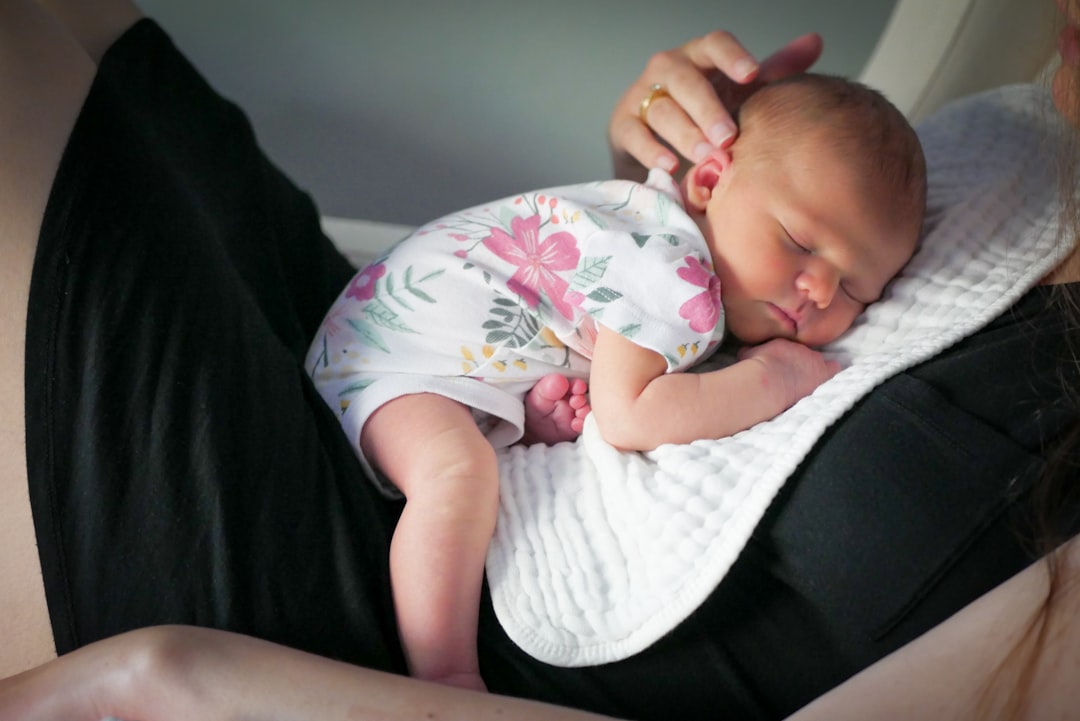
The quest for consistent, predictable infant sleep is often one of the most consuming parts of early parenthood. When exhaustion sets in—whether due to a four-month sleep shift or a particularly tough bout of fussiness—it is completely understandable that caregivers begin looking for solutions. In the current landscape of supplements and quick fixes, the question naturally arises: Can babies have melatonin to help them sleep?
This is a topic that requires careful, safety-first consideration. As a naturally occurring hormone, melatonin plays a vital role in regulating the human sleep-wake cycle (the circadian rhythm). However, when discussing supplementation for infants, the context changes dramatically. Because the health and development of your baby are paramount, the guidance from pediatric experts is clear and deserves careful attention.
Here at BabyCR.net, we are dedicated to providing calm, evidence-based guidance, ensuring you have the information needed to make informed choices alongside your healthcare provider. This article will explore the current expert consensus regarding melatonin use in infants, why caution is essential, and, most importantly, provide realistic, proven alternatives for improving your baby’s sleep routine in February 2026.
The Expert Consensus: Is Melatonin Safe for Infants?
The short answer, supported by leading health organizations like the American Academy of Pediatrics (AAP), is that melatonin supplements are generally not recommended for healthy infants and young toddlers who are experiencing typical sleep challenges.
While melatonin is often categorized as a dietary supplement—meaning it is regulated differently than prescription medication—its use in the developing infant brain and body carries significant unknowns. Most pediatricians advise against its use primarily because of two major concerns: safety and the establishment of natural sleep hygiene.

Understanding Melatonin: What Does It Do?
Melatonin is not a sedative or a sleeping pill. Instead, it is a hormone that the brain naturally produces in response to darkness. Its function is to signal to the body that it is nighttime and time to prepare for sleep. This regulation is crucial for aligning the body’s internal clock with the external world.
A baby’s body is already hard at work establishing its own circadian rhythm. This process usually begins around 12 weeks of age, though it can take many months for the rhythm to fully mature and regulate the wake/sleep cycles.
Introducing external, supplemental melatonin to a system that is still learning how to produce and regulate its own supply may interfere with the long-term development of the natural sleep cycle. Furthermore, for a baby, most sleep problems are behavioral or routine-based, not the result of a melatonin deficiency.
Why Experts Advise Extreme Caution
The primary reason medical professionals approach melatonin use in babies with skepticism isn’t just about interfering with natural development; it’s about a fundamental lack of data and regulation.
1. Lack of Long-Term Safety Data
There have been very few, if any, comprehensive, peer-reviewed studies examining the long-term effects of melatonin supplementation on typical, developing infants. Since children’s sleep cycles and neurological pathways are still forming, introducing an exogenous hormone over weeks or months raises questions about potential impacts on development that simply have not been answered by current medical research.
We do not know what continuous or intermittent use of the supplement may do to the developing endocrine system over five, ten, or twenty years.
2. Regulation and Consistency Concerns
Because melatonin is classified as a dietary supplement in the US, it does not undergo the rigorous testing required of prescription drugs. Multiple studies have shown that the actual content of over-the-counter melatonin products can vary dramatically from what is listed on the label. Some products may contain significantly more or less than advertised, or even trace amounts of other compounds. Given the tiny size and rapid development of an infant, even minor dosing inconsistencies can be concerning.
3. Masking Underlying Issues
A baby who struggles significantly with sleep may not simply need help falling asleep; they may be experiencing discomfort related to reflux, allergies, underlying respiratory issues, or developmental milestones. Using a sleep aid, even one considered gentle, could potentially mask a health issue that requires professional attention.
Safe and Effective Alternatives to Melatonin for Baby Sleep
If you are considering melatonin, you are likely feeling desperately tired. The good news is that most infant sleep challenges can be addressed by focusing on environmental adjustments, consistent routines, and recognizing normal developmental stages. These behavioral strategies are the gold standard recommended by the AAP for promoting healthy sleep in infants.
Prioritizing Sleep Safety in 2026
Before any discussion of routine, it is critical to ensure that the baby’s sleep environment adheres strictly to safety guidelines:
- Back to Sleep: Always place your baby on their back for every sleep.
- Clear Crib: The crib or bassinet should contain only the baby. Avoid bumpers, loose blankets, pillows, and stuffed toys.
- Firm Surface: Use a firm mattress designed for the crib, covered by a fitted sheet.
- Shared Room, Separate Surface: The AAP recommends sharing a room (but not the bed) with your baby for at least the first six months, and ideally for the first year.
Optimizing the Sleep Environment
The baby’s room should send clear signals that it is time for rest. Consistency is key.
- Darkness: Use blackout curtains to ensure the room is completely dark during naptime and overnight. Melatonin production is triggered by darkness; eliminating light reinforces the circadian signal.
- Temperature: Keep the room cool—around 68 to 72 degrees Fahrenheit is often recommended. Babies sleep better when they are slightly cool rather than too warm.
- Sound: Many parents find that consistent, low-level white noise (like a fan or dedicated sound machine) can help block out sudden household noises and create a comforting, womb-like atmosphere.
Establishing Predictable Routines (Starting in February 2026)
Infants thrive on predictability. A consistent, calming bedtime routine acts as a powerful signal that the day is ending and sleep is approaching. This ritual doesn’t need to be long, but it must be consistent, regardless of the date or day of the week.
A successful evening routine may include:
- A warm bath (if your baby finds it relaxing).
- A calming infant massage or lotion application.
- Feeding (being careful to keep the baby awake enough to avoid falling asleep immediately while eating).
- Quiet time in the nursery (reading a book or singing a song).
- Putting the baby down awake but drowsy.
The order and activities matter less than the fact that they happen in the same order, at roughly the same time, every single night.
Understanding Developmental Changes and Sleep
It is important for parents to maintain realistic expectations. Infant sleep is not linear. Periods of great sleep can be followed by sudden struggles, often related to normal developmental leaps or milestones occurring throughout 2026. These are often referred to as “sleep regressions.”
- Four-Month Shift: Around this age, babies transition from newborn sleep patterns to more adult-like cycles, which often results in more frequent wake-ups.
- Eight to Ten Months: Increased mobility (crawling, pulling up) and separation anxiety often disrupt sleep.
- Toddler Transitions: Language development and boundary testing can lead to bedtime resistance later on.
Recognizing that these phases are temporary and normal can reduce the urge to seek medicinal solutions and allow parents to focus on gentle support and consistency instead.
When Should I Call a Doctor About Baby Sleep?
While most sleep struggles are routine-based, there are times when persistent sleep problems may signal an underlying health issue. It is always wise to bring up serious sleep concerns during your baby’s next well-check visit with your pediatrician.
You should consider scheduling an appointment sooner if you notice the following:
- Excessive Snoring or Pauses in Breathing: If your baby consistently snores loudly, struggles to breathe while sleeping, or seems to pause their breathing (even briefly), this may indicate sleep apnea, which requires professional evaluation.
- Severe Night Wakings Accompanied by Pain: If crying is severe, frequent, and seems related to discomfort rather than needing a feed or comfort, this could signal significant reflux, allergies, or other gastrointestinal distress.
- Unexplained Excessive Sleepiness: If your baby is sleeping far more than expected for their age and is difficult to rouse or feed, this warrants immediate medical attention.
- A Need for Medical Management: If your baby has certain special needs, such as developmental disorders, the pediatrician may discuss melatonin as a highly specific, managed therapeutic tool. This is very different from using it for typical, routine-based sleeplessness.
If you are contemplating any supplement, including melatonin, for any reason, please initiate a detailed conversation with your baby’s licensed healthcare provider first. They can offer guidance based on your child’s specific medical history and developmental stage.
Frequently Asked Questions About Melatonin and Infant Sleep
What are the possible side effects of melatonin in children?
While often mild, side effects can include drowsiness during the day, headache, dizziness, and nausea. Importantly, in infants, we lack specific data on how supplemental melatonin might affect long-term hormonal and neurological development, which is the greater conce

rn for pediatricians.
Is there a natural way to boost my baby’s own melatonin production?
Yes. The best way is through light exposure management. Ensure your baby gets plenty of natural light exposure during the day and keep their environment dim and quiet in the hours leading up to bedtime and throughout the night. Darkness is the key trigger for natural melatonin release.
My friend uses melatonin for their toddler. Is a small dose okay for my baby?
Every child is unique, and what works for one family may not be safe or appropriate for another, especially in the context of supplements. Pediatric experts strongly recommend sticking to established behavioral routines for infants and avoiding supplements unless specifically directed and monitored by a qualified healthcare professional.
When do babies start producing enough melatonin for a predictable sleep schedule?
Infants begin to establish their own circadian rhythms and melatonin production around 12 weeks of age, or three months. However, the rhythm takes many months to fully mature, which is why parents often see more consolidated night sleep beginning around four to six months of age.
Does a lack of sleep harm my baby’s development?
Consistent, good-quality sleep is crucial for development, memory consolidation, and growth. While occasional restless nights are normal and will not cause lasting harm, if your baby is chronically sleep-deprived—meaning they are consistently fussy, irritable, and fail to meet expected nap minimums—it is important to consult your pediatrician to rule out underlying issues.
Friendly Disclaimer: This article is for informational purposes only and does not replace professional medical advice. If you have concerns about your baby’s health, sleep patterns, or development, please consult your pediatrician or a licensed healthcare provider.