
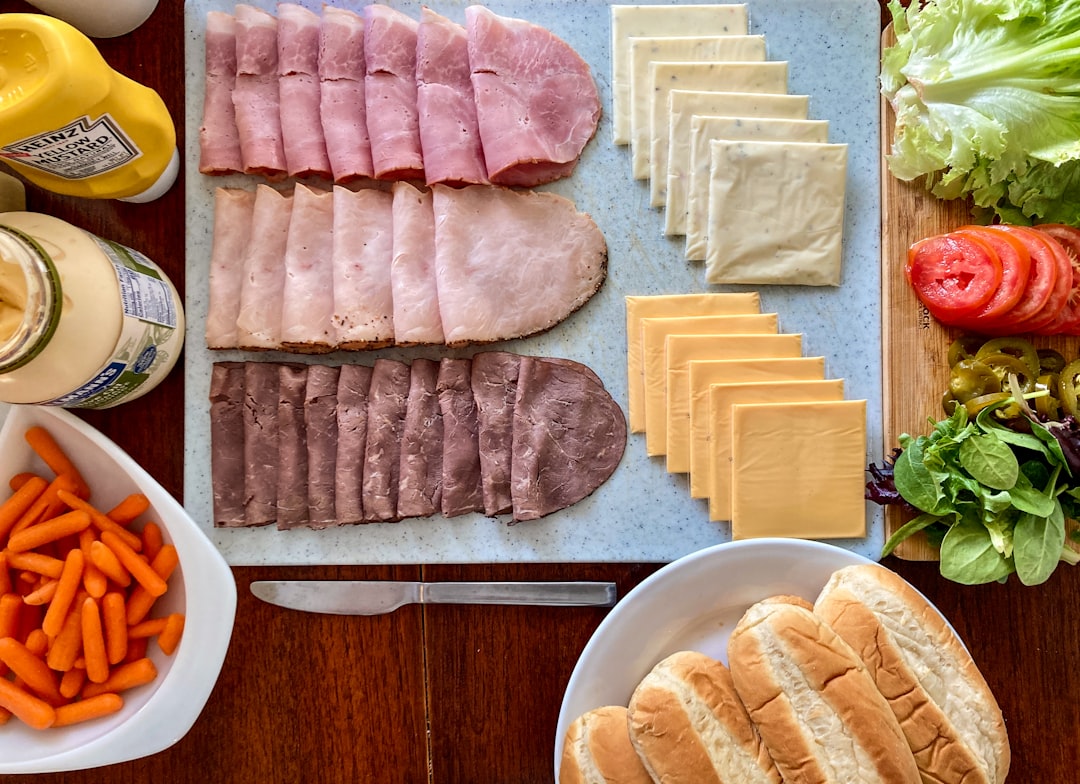
As your baby begins exploring the world of solid foods, it is completely normal to look at the ingredients in your own kitchen and wonder, “Can my baby eat this too?” Deli meat—the sliced turkey, ham, or roast beef we often use for quick lunches—is certainly convenient, but it introduces several specific concerns when considering infant feeding. It’s an essential question for new parents because deli meats present unique safety and nutritional challenges that differ significantly from whole, home-cooked foods.
Our priority when introducing any new food is always safety and nourishment. For infants and very young toddlers, deli meats carry risks that are generally considered too high by pediatric health organizations. While many meats are excellent sources of iron and protein, the processing methods, high sodium content, and potential for foodborne illness in cold-cut products mean they require careful consideration—and often, complete avoidance—during the first year of life.
This guide will walk you through the primary reasons why most parenting experts and pediatricians recommend holding off on deli meats, explain the specific safety risks involved, and offer helpful, safer alternatives for feeding your growing baby in 2026.
The Three Main Reasons to Avoid Deli Meat for Babies
While an older child may occasionally enjoy a slice of turkey, an infant’s body is fundamentally different. Their immune system is still developing, their kidneys are processing fluids and salts differently, and their oral motor skills are not yet equipped to handle certain textures. These differences make deli meats a poor choice for babies under 12 months, and often up until 2 years of age.
The core concerns related to cold cuts and infants fall into three critical areas: food safety (listeria), nutrition (sodium and nitrates), and developmental readiness (choking risk).
1. Food Safety: The Threat of Listeria
The most serious concern surrounding deli meat is the risk of contamination with the bacteria Listeria monocytogenes. This type of foodborne illness, called listeriosis, is particularly dangerous for vulnerable populations, including pregnant individuals, the elderly, and infants.
Unlike many other bacteria, Listeria can thrive in cold temperatures, meaning that refrigeration does not kill it. Since deli meats are ready-to-eat and typically stored cold for extended periods, they are unfortunately common vectors for contamination. While the overall risk of listeriosis in the general population is low, when infants do contract it, the consequences can be very severe.
Because an infant’s immune system is still immature, they are less able to fight off serious infections. For this reason, major health organizations, including the American Academy of Pediatrics (AAP), often recommend extreme caution regarding ready-to-eat cold meats until a child is much older.
2. Nutritional Hazards: Sodium, Nitrates, and Additives
Even if the foodborne illness risk is mitigated (for example, by boiling the meat), deli meats remain problematic due to their nutritional profile. They are almost universally loaded with added ingredients designed to preserve them, enhance flavor, and extend shelf life.
- Excessive Sodium: One of the biggest challenges for baby nutrition is sodium. Infants only require a tiny amount of salt, and their kidneys are not yet mature enough to easily process large loads. Deli meats, even “low-sodium” varieties, contain vastly more sodium than necessary for an infant. High sodium intake in infancy may stress the developing renal system.
- Nitrates and Nitrites: These are preservatives commonly used in cured and processed meats (like ham, hot dogs, and some sliced turkey) to maintain color and inhibit bacterial growth. While they are safe for adults in moderation, there is general concern regarding introducing high levels of nitrates to very young children. Some experts suggest that excessive intake could potentially interfere with how oxygen is carried in the baby’s blood, though this is primarily a concern with water contamination, it adds to the caution around processed foods.
- Other Additives: Flavorings, stabilizers, and sugars are routinely added to improve the texture and taste of deli products, making them less nutrient-dense than whole, unprocessed meats.
3. Choking Risk: The Hidden Danger of Sliced Meat
When most parents think of choking hazards, they picture small, hard, circular foods. However, the texture of thin, flexible deli meat poses a distinct and significant risk for babies and young toddlers (usually under 4 years old).
Thin, pliable, and sticky processed meats can easily mold themselves to the shape of an infant’s esophagus and airway, creating a complete obstruction that is often very difficult for parents to dislodge. Even when cut into small pieces, the texture of a slice of turkey or ham is easily clumped into a sticky ball by the small amount of saliva a baby produces.
This is why safety experts classify soft, pliable, and sticky foods—like deli meat and whole hot dogs—as high-risk choking hazards, requiring them to be either avoided entirely or drastically altered (shredded, puréed, or cut length-wise) before serving to young children.
Understanding Listeria: Why Infants Are Uniquely Vulnerable
Parents often ask if simply heating or cooking the deli meat removes the risk. While thoroughly heating the meat (steaming or boiling until steaming hot, 165°F) will kill any Listeria present at that moment, it does not make the meat nutritionally ideal, nor does it guarantee safety if the product is later cross-contaminated or improperly stored. Furthermore, reheating deli meats may not always be a practical solution for daily feeding.
Infants—especially those under 12 months—have immune systems that are less effective at fighting off invasive bacterial infections compared to older children. Listeriosis in infants can lead to serious complications such as meningitis or sepsis. Given that there are so many safe, healthy, and easy-to-prepare alternatives, the risk associated with ready-to-eat cold cuts is generally considered unnecessary to take during the critical early development phase.
If you suspect that your baby has consumed a questionable or unreheated deli product and develops symptoms like fever, lethargy, or poor feeding, contact your pediatrician immediately.
When Might Deli Meat Be Considered Safe? (And How)
It is widely recommended that parents wait until their child is at least two years old before routinely offering processed deli meat. By this age, their immune system is more robust, and their kidneys are better equipped to handle higher sodium levels.
However, even for a two-year-old, the following precautions should always be taken:
1. Temperature is Key
If you choose to offer deli meat to an older toddler (2+ years), it must be heated until steaming hot (165°F) just before serving. This step is crucial for mitigating the listeria risk. Simply warming it slightly is not enough; it needs to be thoroughly cooked to kill potential pathogens.
2. Prioritize Low-Sodium and Uncured Options
Look specifically for labels that clearly state “No Added Nitrates or Nitrites” (often labeled as “uncured”) and “Low Sodium.” While uncured meats still contain naturally occurring nitrates (often derived from celery powder), these options are generally viewed as better choices than traditional, chemically cured products.
3. Texture and Cutting for Safety
To reduce the severe choking risk:
- Shredding: For toddlers, shredded meat is much safer than sliced meat.
- Dicing: If dicing, cut the meat into small, irregular cubes (no larger than a chickpea) and ensure it is not sticky or cohesive.
- Mixing: Incorporate small pieces of heated, shredded meat into softer foods like casseroles, scrambled eggs, or soft pasta dishes, rather than serving a clump of sliced meat by itself.
Safer Alternatives to Deli Meat for Babies
If you are looking for easy, iron-rich protein sources to introduce to your baby starting around six months of age, focus on unprocessed whole meats. These options allow you to control the preparation, the texture, and the added ingredients, ensuring safety and optimal nutrition:
| Type of Protein | Recommended Preparation for Infants |
|---|---|
| Poultry (Chicken/Turkey Breast) | Cooked thoroughly, finely puréed, or blended with liquid for early feeders. For older babies (9+ months), shred or mince it finely and mix with moisture (like breastmilk/formula, broth, or mashed avocado) to prevent stickiness. |
| Lean Beef or Pork | Cooked until tender, puréed, or mashed. For Baby-Led Weaning (BLW), offer large, soft strips that the baby can suckle nutrients from, but not easily bite off. Once the pincer grasp develops, serve tiny, soft crumbles. |
| Ground Meats | Cooked thoroughly and mashed with vegetables or broth. Ground meat is naturally safer from a choking perspective if cooked until very soft and served as moist crumbles. |
| Beans and Lentils | Excellent source of non-heme iron and protein. Soft-cooked, mashed, or spread onto soft toast (if baby is ready for toast texture). |
| Eggs | Cooked scrambled or hard-boiled and mashed. Ensure the whole egg (yolk and white) is thoroughly cooked. Eggs are a highly valuable source of nutrients. |
These whole food alternatives provide the high-quality protein and iron necessary for healthy growth in the first year without the risks associated with excessive sodium, nitrates, or the listeria threat posed by cold, ready-to-eat packaged meats.
When Should I Call the Pediatrician?
If you are concerned about your child’s diet, nutritional intake, or if you accidentally offered a piece of deli meat and are worried, it is always best to reach out to your pediatrician. You should seek immediate professional medical attention if your baby shows any signs of illness after eating, which may include:
- A sudden fever (over 100.4°F/38°C) that is unexplained.
- Excessive lethargy or difficulty waking the baby.
- Persistent or worsening vomiting.
- Signs of severe dehydration (fewer wet diapers than normal).
- Any signs of respiratory distress, coughing, or inability to cry/breathe following a feeding incident (potential choking).
Remember that most minor digestive upsets are not listeriosis, but because the infection can be so serious for infants, immediate consultation is warranted if you have specific concerns related to potentially high-risk foods.
Frequently Asked Questions About Processed Meats
Is sliced turkey or chicken safer than ham or roast beef?
From a listeria perspective, all ready-to-eat cold cuts carry a risk, regardless of whether they are poultry, beef, or pork. Nut
ritionally, white meats like turkey may sometimes be slightly lower in fat, but they often contain just as much or more sodium and preservatives than other varieties. The recommendation to avoid cold cuts applies across the board.
Can I give my baby pre-packaged lunch meat if it says “all-natural” or “organic”?
While “all-natural” or “organic” labels may mean the meat avoids certain synthetic preservatives, they do not eliminate the two primary risks: listeria contamination (since the meat is still stored cold and ready-to-eat) and high sodium content. Always check the nutrition label for sodium levels, and remember to heat it thoroughly if you do choose to serve it to an older toddler.
At what age is it safe to introduce hot dogs or similar processed foods?
Hot dogs are strongly discouraged before two years of age, and many pediatricians suggest waiting until four years or older. This is almost entirely due to the extreme choking risk posed by their cylindrical shape and pliable, rubbery texture. If they are offered, they must be cut vertically into small strips, never in coin shapes.
What if my baby accidentally grabbed and sucked on a piece of cold cut?
It happens! If your baby only briefly sucked on a piece, try not to panic. Monitor them closely for the next few days. The most immediate concern for a small piece would be choking; if they swallowed it smoothly, the risk of developing a foodborne illness from a single, small exposure is relatively low, though not zero. Call your pediatrician if any concerning symptoms develop.
Is bacon safe for babies?
Bacon should be avoided in infancy. It is extremely high in sodium and saturated fats, and it is usually cured with high levels of nitrates. If cooked crispy, the small, hard fragments can be a choking hazard; if cooked soft, the rubbery texture can also be dangerous. It offers very little nutritional benefit compared to whole proteins.
***
Disclaimer: This article is for informational purposes only and does not replace professional medical advice. If you have concerns about your baby’s health, nutrition, or development, please consult your pediatrician or a licensed healthcare provider.