
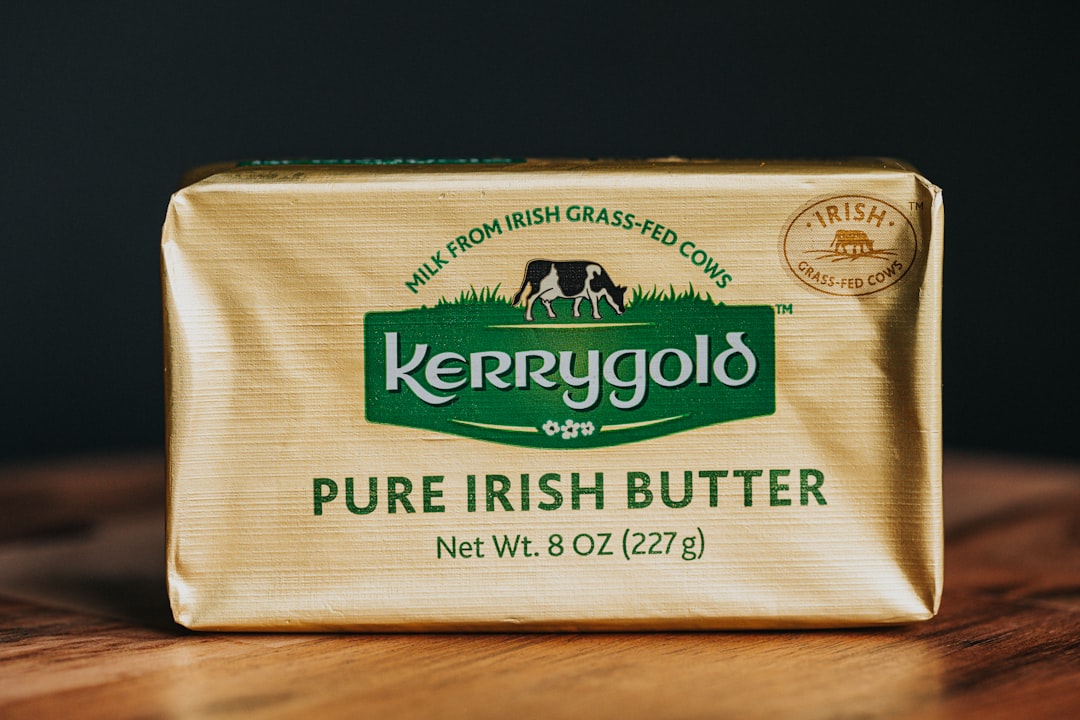
As your baby transitions beyond purees and begins exploring the world of table foods, questions about everyday ingredients naturally arise. Butter, a staple in many US kitchens, often becomes a point of parental inquiry. It’s a source of fat and flavor, but for a tiny, developing system, safety always comes first.
You are likely wondering if butter offers any nutritional benefit, when exactly it is safe to introduce it, and whether the dairy content or sodium levels pose a risk. This is a very common and practical concern for parents navigating the exciting, sometimes overwhelming, stage of starting solids in 2026.
The good news is that healthy fats play a vital role in infant development. The guidance around butter is less about prohibition and more about timing, moderation, and preparation. As an experienced parenting editor, we’ll walk through the current recommendations, focusing on safety, choosing the right type of butter, and understanding the signs that your baby is ready for this new texture.
Remember, while we offer guidance and reassurance, this information is not a substitute for professional medical advice. Always discuss dietary changes or concerns with your baby’s pediatrician.
When is the Right Time to Introduce Butter?
The timing for introducing butter aligns closely with the general recommendation for starting solids. Most major pediatric organizations, including the American Academy of Pediatrics (AAP), recommend that infants begin solid foods around six months of age, provided they show developmental readiness signs.

Butter is generally considered safe to introduce after solids have been successfully started and tolerated, typically after six months. However, it should only be used as an ingredient to enhance foods—never as a standalone food or a primary source of nutrition.
Introducing butter often happens organically when parents begin serving foods prepared for the family, such as steamed vegetables tossed in a little butter or toast cut into appropriate sized strips. Because butter is a concentrated source of fat and, crucially, a dairy product, a slow and cautious introduction is recommended.
The Key Role of Fats in Infant Development
For parents concerned about adding fat to their baby’s diet, it is important to understand that fat is essential, not optional, for babies and toddlers. Infants require significantly more fat than older children and adults relative to their body weight.
Fats play several critical roles during the first two years of life:
- Brain and Nerve Development: Rapid brain growth happens during infancy. Dietary fats, particularly saturated fats and cholesterol (both present in butter), are fundamental building blocks for healthy brain cells and nerve insulation.
- Energy Source: Fat is dense in calories, which provides the sustained energy necessary for a baby’s rapid physical and cognitive development.
- Vitamin Absorption: Fats are needed to properly absorb fat-soluble vitamins (A, D, E, K), all of which are essential for immune function, bone health, and vision.
Because infants have very small stomachs, foods need to be nutrient-dense. Adding a small amount of unsalted butter to steamed broccoli or mashed sweet potato can greatly increase the caloric density and flavor without requiring a large volume of food, making it an efficient way to boost nutrition.
Safety First: Critical Considerations Before Serving Butter
While fats are necessary, butter introduces two primary safety concerns that parents must address before adding it to their baby’s meals: potential dairy allergies and excessive sodium intake.
1. Dairy Allergies and Sensitivities
Butter is derived from cow’s milk and contains milk proteins (casein and whey), which are the components that trigger a dairy allergy. Dairy is one of the top food allergens in the US, and it is vital to treat the introduction of butter just as you would any other common allergen.
When introducing butter, follow standard allergen protocols:
- Introduce it early in the day when you can monitor your baby for several hours.
- Serve only a tiny, pea-sized amount mixed thoroughly into a food they have already tolerated well.
- Do not introduce any other new allergens on the same day.
- Observe closely for any reactions, which may include hives, vomiting, swelling, or difficulty breathing (the latter requires immediate emergency medical attention).
If your baby has already been exposed to dairy products (such as yogurt or cheese) without issue, the risk profile for butter is lower, but caution is still warranted.
2. The Danger of Added Sodium
The single most critical factor when choosing butter for babies is the salt content. Infants require very little sodium, and their kidneys are not fully developed to efficiently process large amounts of salt. High sodium intake in infancy can be harmful.
- Unsalted Butter is Mandatory: Always choose unsalted butter for infant food preparation. Never use salted butter, as even small amounts can push a baby over the recommended daily sodium limit.
- Label Check: Even if a recipe calls for butter, confirm that you are using the unsalted variety.
3. Consistency and Choking Risk
While butter itself is not typically a choking hazard, how you use it matters. Large, cold lumps of butter spread heavily on soft bread or vegetables could potentially pose a risk if the baby gums off a solid piece. Ensure that the butter is fully melted or smoothly incorporated into the food. For instance, using it to cook scrambled eggs or mixing it into mashed potatoes is safer than giving a baby a large cold pat to hold.
Choosing the Best Type of Butter for Infants
When you are ready to introduce butter to your baby’s diet, not all options are created equal. Focus on purity, salt content, and type of preparation.
Unsalted Butter (The Standard Choice)
This is the preferred option. It offers the concentrated fat and necessary calories without the harmful added sodium. Look for brands that focus on high-quality ingredients. Organic butter may be preferred by some parents to limit exposure to certain pesticides or hormones, though standard unsalted butter is perfectly safe.
Clarified Butter (Ghee)
Ghee is butter that has been simmered, during which time the water and milk solids (proteins and lactose) are separated and removed, leaving behind pure butterfat.
- Reduced Allergen Content: Because the milk solids are removed, ghee contains significantly less lactose and casein protein than traditional butter. For some babies with mild sensitivities (not severe allergies), ghee may be better tolerated.
- High Heat Cooking: Ghee is excellent for cooking foods at higher temperatures without burning, making it a useful cooking fat for the whole family.
However, note that ghee is not entirely free of all milk proteins. If your baby has a confirmed, diagnosed cow’s milk protein allergy (CMPA), you must consult your pediatrician or allergist before introducing ghee. It may still trigger a reaction in highly sensitive infants.
Avoid Butter Spreads and Margarine
Avoid highly processed butter blends, “light” butters, or margarine. These often contain high levels of sodium, artificial flavorings, preservatives, or high amounts of trans or hydrogenated fats that are not beneficial for a developing baby’s system.
Practical Tips for Introducing Butter Safely
When you decide it’s time to start, remember that a tiny bit goes a long way. The goal is flavor and calorie enhancement, not coating everything in dairy fat.
Start with Very Small Quantities
Use butter in moderation. For a single serving of vegetables or grains, a quarter teaspoon is usually sufficient. This small amount adds necessary fats without making the food too slippery or heavy.
Mix It In
Butter should be fully melted or incorporated into the food. Good ways to use it include:
- Stirring a small amount into warm oatmeal, rice cereal, or quinoa.
- Tossing steamed, cut-up green beans or asparagus spears with melted unsalted butter.
- Using it as a cooking fat for small portions of finely scrambled eggs (after egg introduction).
- Mixing it into mashed vegetables like carrots, peas, or sweet potatoes.
Monitor Salt in Other Foods
Because you are dedicated to using unsalted butter, make sure you are equally careful about all other foods served. Avoid commercial stocks, canned vegetables, and heavily seasoned food items that contain hidden sodium, ensuring the overall daily intake remains low.
What to Look For: Signs of an Adverse Reaction
Introducing dairy via butter requires parents to be vigilant for potential allergic reactions. Reactions can manifest in various ways, from mild digestive upset to severe, life-threatening symptoms.
When to Suspect an Allergy (Mild to Moderate)
If you notice any of these signs shortly after your baby consumes butter, discontinue use and contact your pediatrician immediately:
- Skin reactions: Hives, rash, eczema flare-ups, or swelling around the mouth or face.
- Digestive upset: Sudden, repeated vomiting, diarrhea, or severe abdominal pain/cramping.
- Respiratory signs (non-severe): Runny nose, sneezing, or mild, persistent coughing.
When to Seek Emergency Help (Severe Reaction)
Anaphylaxis is a severe, rapidly progressing allergic reaction. If you observe any of the following symptoms, call emergency services immediately (911 in the US):
- Difficulty breathing, rapid or shallow breathing, or wheezing.
- Swelling of the tongue or throat that impacts swallowing.
- Sudden paleness, weak pulse, or loss of consciousness.
Remember that some dairy sensitivities, such as an intolerance to lactose (the sugar in milk), may result primarily in digestive symptoms like gas, bloating, and irritability, rather than the rapid, immune response seen in true allergies. Your pediatrician can help distinguish between these two conditions.
Beyond Butter: Exploring Other Healthy Fats
While butter can be a healthy part of a baby’s diet, it is important to offer a varied source of fats to ensure your baby receives a broad spectrum of nutrients, including important unsaturated fats.
Excellent alternatives and complementary fats include:
- Olive Oil: Excellent source of monounsaturated fats. Use high-quality extra virgin olive oil for dressing or light cooking.
- Avocado Oil: Neutral flavor and a high smoke point, ideal for cooking. Rich in monounsaturated fats.
- Nut and Seed Butters: Once common allergens like peanuts and tree nuts have been safely introduced, small amounts of smooth, highly thinned nut butter (like peanut or almond butter) offer healthy fats and protein. Ensure they are thin enough to eliminate any choking risk.
- Avocado: A fantastic whole food source of fat, fiber, and vitamins.
Mixing up the sources of fat helps ensure your baby gets the Omega-3 and Omega-6 fatty acids needed for continued visual and cognitive development in early 2026.
When to Consult Your Pediatrician
As a parent, your intuition is a powerful tool. While many questions about diet are routine, there are specific situations where you should pause and speak directly with your baby’s licensed healthcare provider:
- If your baby has a documented history of severe reactions to other foods, especially eggs or soy, which can sometimes co-occur with dairy allergies.
- If there is a strong family history of cow’s milk protein allergy or severe food alle

rgies. - If your baby experiences any persistent digestive upset (such as unusual diarrhea or excessive reflux) after starting solids, before introducing butter.
- If you are considering supplementing your baby’s diet with high-fat foods due to concerns about slow weight gain.

Your pediatrician can provide personalized guidance based on your baby’s unique health profile and development trajectory.
Frequently Asked Questions About Babies and Butter
Can I spread butter on my baby’s toast?
Yes, but use unsalted butter only and spread it very thinly. Ensure the toast is cut into safe, appropriately sized strips (often finger-length pieces for babies 6-9 months) that are easy to manage and gum, reducing any choking risk.
Is butter better than oil for cooking baby food?
Neither is inherently “better,” as both provide necessary fats. Butter provides saturated fat and Vitamin A, while olive or avocado oils provide beneficial unsaturated fats. It’s best to incorporate a variety of healthy fats into your baby’s diet over time.
Does butter cause constipation in babies?
Introducing new foods, especially high-fat foods, can sometimes temporarily change stool consistency. However, butter is not commonly cited as a primary cause of constipation. If your baby is constipated, focus on increasing fiber (prunes, apricots, whole grains) and ensuring adequate hydration.
How much unsalted butter can I give my baby in a day?
There are no strict limits, as butter should be used as an ingredient, not a main meal. A good guideline is to use a small pat (about 1/4 to 1/2 teaspoon) per meal containing solids to enhance caloric value and flavor, focusing on overall dietary balance rather than measuring precise fat quantities.
Can babies have margarine instead of butter?
It is strongly recommended to stick to high-quality, unsalted butter or natural oils like olive oil. Margarine often contains high levels of sodium, stabilizers, artificial colors, and hydrogenated fats that are unnecessary and potentially unhelpful for infant nutrition.
Friendly Disclaimer: This article is for informational purposes only and does not replace professional medical advice. If you have concerns about your baby’s health, feeding, or development, please consult your pediatrician or a licensed healthcare provider.