
For new parents approaching the exciting milestone of starting solid foods, the kitchen can suddenly feel like a laboratory. Questions abound about what is safe, what is nutritious, and what texture is appropriate. Among the most popular first foods, oatmeal often sits high on the list, offering potential nourishment and a relatively smooth introduction to texture. But is it truly safe, and how exactly should you prepare it?
It’s a topic that comes up frequently in parent forums and pediatric check-ups in 2026. Parents are often looking for easy, versatile, and filling options as their infants transition from solely milk or formula. The good news is that oats are widely regarded as a valuable addition to a baby’s diet when introduced correctly and at the appropriate time.
In this guide, we will walk through the timing and preparation best practices for offering oatmeal to your little one. We will focus on safety, nutritional benefits, and what professional organizations generally recommend, ensuring you feel confident and calm about this next step in your baby’s feeding journey. Remember, our goal here is to support you with practical information, not to replace the individualized advice of your pediatrician.
The Right Time for Oatmeal: When Can Babies Start Solids?
The standard guidance provided by major health organizations, including the American Academy of Pediatrics (AAP), suggests introducing solids—including oatmeal—around six months of age. However, timing is highly individualized and relies far less on the calendar date than on the baby demonstrating key developmental readiness signs.
Introducing solids before a baby is developmentally ready can sometimes pose safety challenges, particularly concerning swallowing and aspiration. If you are considering starting solids earlier than six months, always discuss this plan with your pediatrician first.
Key Developmental Signs Your Baby Is Ready
Before offering any cereal or solid food, including finely prepared oatmeal, watch for these non-negotiable signs:
- Good Head and Neck Control: The baby must be able to hold their head steady and upright while sitting.
- Sitting with Support: The baby should be able to sit securely in a highchair or booster seat.
- Loss of the Tongue-Thrust Reflex: When solids are introduced too early, the baby’s natural instinct is to push the food out with their tongue. Once this reflex fades, they can manage to keep food in their mouth and swallow.
- Showing Interest in Food: They may watch you eat, try to grab food off your plate, or lean forward when food is offered.
Once you see these signs consistently, you are usually ready to begin the exciting process of offering new tastes and textures, with prepared oatmeal being an excellent option to start with.
Why Oatmeal is a Popular First Food
Oatmeal is more than just a convenient option; it provides several benefits that make it well-suited for a growing baby’s nutritional needs.
Nutritional Highlights
Unlike some refined cereals, whole rolled oats retain valuable nutrients. They are a good source of complex carbohydrates, providing sustained energy needed for rapid infant development. They also contain:
- Fiber: This can be helpful for regulating digestion, though it must be balanced with adequate fluids to prevent constipation (more on this below).
- Iron: While not as high in iron as fortified rice or oat cereal, plain oats do contain natural iron. By six months, an infant’s iron stores begin to deplete, making iron-rich foods essential.
- Zinc and Magnesium: Important minerals that support growth and immune function.
Managing Allergies
Many parents worry about introducing allergens. Oats are naturally gluten-free and generally considered a low-allergy risk food. However, contamination is possible. If your family has known celiac disease or severe wheat/gluten sensitivities, it is wise to choose oats labeled as “certified gluten-free” to ensure there has been no cross-contamination during processing.
Choosing the Right Type of Oatmeal for Infants
When standing in the grocery aisle, the sheer variety of oats—steel cut, rolled, quick-cooking, instant, and baby cereal—can be overwhelming. The best choice for your baby depends entirely on their stage of feeding and your preparation method.
1. Standard Rolled Oats (Old-Fashioned)
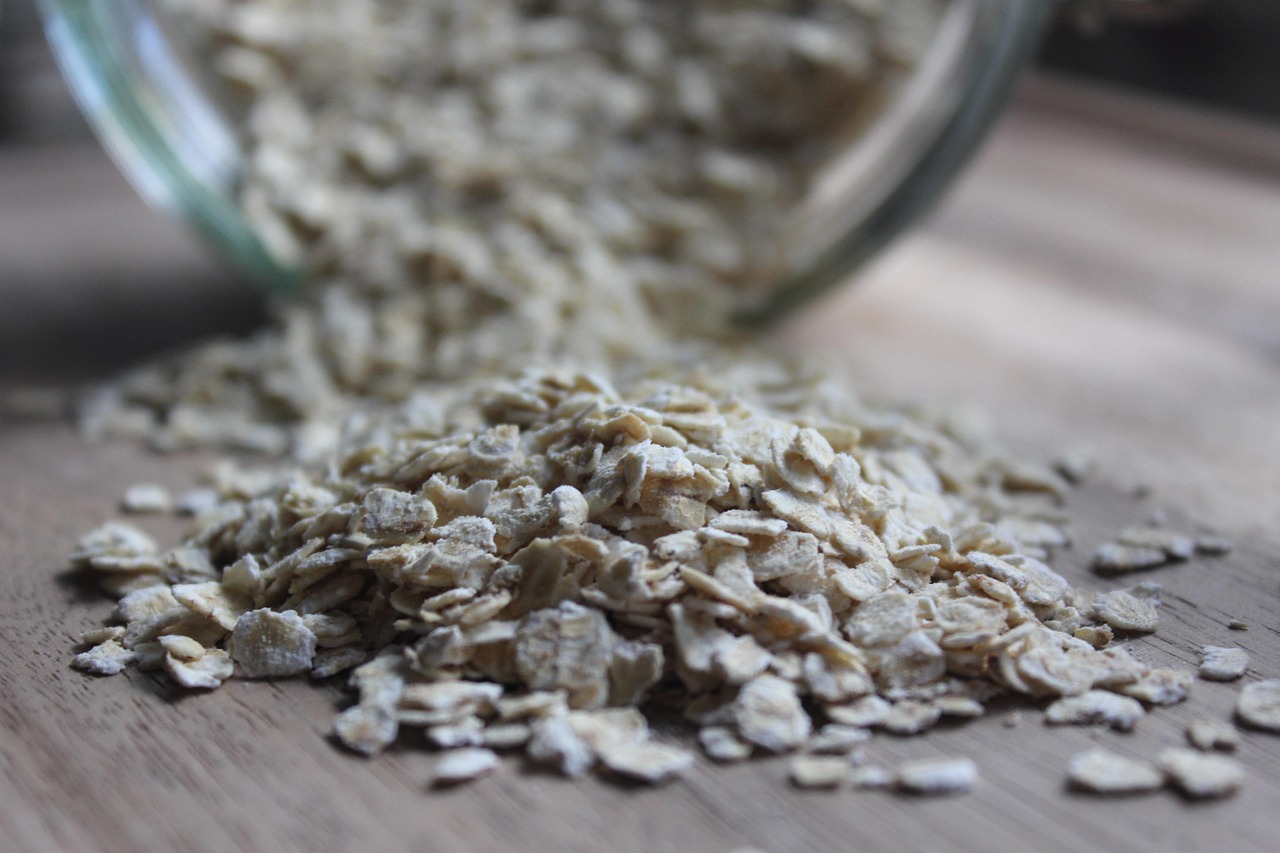
This is often the best choice for homemade baby food. Rolled oats are highly versatile and offer great texture control. They require cooking (usually about five minutes) and must be blended or mashed very finely after cooking to ensure the texture is completely smooth and safe for a beginning eater.
2. Instant or Quick-Cooking Oats
While quick-cooking oats are convenient, they are often processed into finer flakes. While safe, they should be chosen carefully. Ensure they are plain and contain absolutely no added sugars, flavorings, or high levels of sodium. They still need to be adequately cooked and thinned out.
3. Steel-Cut Oats
Steel-cut oats are minimally processed and require longer cooking times. Because they maintain a chunkier texture even when cooked, they are generally not recommended for infants just starting solids due to the potential choking hazard. They may be appropriate much later, perhaps around 9–12 months, and only after being thoroughly cooked and mashed.
4. Fortified Infant Cereal (Oat-Based)
Many pediatricians recommend starting with iron-fortified baby cereal (often rice or oat-based). These cereals are milled into a very fine powder and already contain the recommended iron boost. If you are starting solids specifically for iron supplementation, fortified oat cereal is an excellent choice. However, if you are looking for whole grain texture, plain rolled oats are perfect.
Safety Guideline: Always select plain, unsweetened, unflavored oats for your baby. Ingredients lists should be short and simple.
Safety First: Preparing Oatmeal for Your Infant
Preparation is the most critical step to ensure safety and digestibility. The key rule when preparing any grain for a baby under 12 months is smoothness and fluidity.
Step-by-Step Preparation Guide
1. Grinding (Optional but Recommended)
If you are using standard rolled oats for a very young beginner, briefly pulse the dry oats in a food processor or blender until they resemble a coarse powder or meal. This helps ensure a smoother, faster-cooking final product.
2. The Liquid Base
Never cook oatmeal for babies using only water, as this can dilute the flavor and nutrition. Instead, use:
- Breast milk
- Formula (prepared according to package directions)
- Water (acceptable if you are then mixing the cooked oats back into breast milk or formula)
Note on Cow’s Milk: Cow’s milk should not be used as the primary beverage or in large quantities until after the baby is 12 months old. However, it can be used in small amounts (such as a few tablespoons) in cooking or baking for infants over 6 months, though breast milk or formula is preferred for cereal bases.
3. Cooking and Consistency
Cook the ground or whole rolled oats according to package directions, using your chosen liquid base. Once cooked, the consistency must be very thin and runny, especially for the first few weeks of starting solids. Think soup-like, not thick and sticky.
- For 6-month-olds: The texture should be thin enough to easily drip off the spoon. It should be fully smooth and lump-free.
- For older infants (7-9 months): As your baby gets better at managing texture, you can gradually thicken the oatmeal until it resembles a soft, thick paste, but never leave hard lumps or whole oat flakes.
4. Serving Temperature
Ensure the oatmeal is completely cooled to a lukewarm or room temperature before serving. Test the temperature yourself to prevent accidental burns.
Blending for Flavor and Nutrition
Once your baby has safely tolerated plain oatmeal for a few days, you can begin adding single-ingredient purees to introduce new flavors and boost nutrition. This makes oatmeal a fantastic vehicle for variety.
Safe Additions (introduced individually and tolerated):
- Mashed banana
- Apple sauce or stewed pear puree
- Sweet potato or squash puree
- A spoonful of finely ground meat or poultry puree (for iron)
Always introduce a new food ingredient on its own for 3–5 days before mixing it with others. This makes it easier to track any potential sensitivity or reaction.
Oatmeal and Digestion: Is Constipation Normal?
A common question from parents relates to changes in bowel movements after starting solids. Oatmeal is a source of fiber, and while fiber generally promotes regularity, a sudden increase in fiber combined with a reduction in liquid intake (if the baby is suddenly drinking less milk/formula) can sometimes lead to firmer stools or mild constipation.
What you can safely do:
- Increase Fluids: Ensure the baby continues to have frequent access to breast milk or formula. Offer a small amount of water (about 2–4 ounces total per day, served in an open cup or straw cup) with meals to help move the fiber through the system.
- Adjust Consistency: Keep the oatmeal on the runnier side, as thicker oatmeal may contribute to firmer stools.
- Introduce P-Fruits: If constipation persists, try mixing the oatmeal with small amounts of pureed prunes, pears, or peaches (often referred to as ‘P-fruits’) which are gentle natural laxatives.
If your baby experiences extreme straining, hard pellet-like stools, or discomfort that lasts for more than a couple of days, it is best to pause solids and consult your pediatrician.
What to Avoid When Preparing Oatmeal for Infants
Safety is paramount, and certain ingredients and preparation methods should be avoided until the baby reaches their first birthday or later.
❌ Honey
Honey poses a significant risk of infant botulism and should never be given to children under the age of 12 months. This includes honey used in baking or as a sweetener in oatmeal.
❌ Large Amounts of Added Sugar or Salt
Infants do not require added sugar or salt, and consuming them early can put stress on developing kidneys and encourage a preference for overly sweet or savory foods later on. Always use naturally sweet purees (like banana or sweet potato) for flavor, not refined sugars.
❌ Whole Nuts and Hard Pieces
While you can safely introduce finely ground nuts or smooth, single-ingredient nut butters (mixed thoroughly into the oatmeal), you should never mix whole nuts, dried fruit chunks, or any other hard, small pieces into the oatmeal. These present a serious choking risk.
When to Consult Your Pediatrician
Oatmeal is generally safe and well-tolerated, but any new food introduction carries a small risk of reaction or digestive difficulty. As a parent, trust your instincts if something seems off. You should contact your licensed healthcare provider immediately if your baby exhibits any of the following symptoms shortly after consuming oatmeal:
- Severe Allergic Reactions (Anaphylaxis): This is rare, but watch for signs like difficulty breathing, sudden severe swelling of the face, lips, or tongue, or wheezing. Call 911 immediately if breathing is compromised.
- Hives or Rash: Sudden onset of itchy, raised welts or a generalized body rash.
- Persistent Vomiting or Diarrhea: More than just spitting up; forceful, recurring vomiting, or frequent, watery diarrhea.
- Significant Digestive Pain: Persistent, inconsolable crying, severe arching of the back, or extreme abdominal bloating.
For non-emergency concerns, such as mild constipation, slight fussiness, or uncertainty about the right texture, a simple call or message to your pediatrician’s office during business hours can provide the reassurance and guidance you need.
Introducing oatmeal is a wonderful step in expanding your baby’s palate and nutrition. By prioritizing the correct texture, avoiding potential hazards like honey, and observing your baby’s cues, you can make this transition smooth and enjoyable for everyone in 2026.
Frequently Asked Questions (FAQ) About Baby Oatmeal
Is it better to start with rice cereal or oatmeal?
Both rice cereal and fortified oat cereal are acceptable first foods. Historically, rice cereal was often recommended first, but many current pediatric recommendations view oat cereal as nutritionally comparable and perhaps less likely to cause constipation due to its fiber content. The choice often comes down to parent preference and what the baby tolerates best.
Can I make a big batch of oatmeal ahead of time?
Yes, you can cook a larger batch of plain oatmeal and store it in the refrigerator for up to three days. When serving, make sure to add breast milk or formula when reheating to thin it back out to the appropriate, safe consistency before offering it to your baby.
Can babies eat flavored adult oatmeal, like cinnamon or apple?
No, you should avoid commercially flavored adult oatmeal, as these products almost always contain high amounts of added sugar, salt, and sometimes artificial flavors. It is always safest to prepare plain oats and add natural flavors yourself using simple fruit or vegetable purees.
If oatmeal is sticky, is it a choking risk?
Yes, thick, sticky oatmeal can sometimes be difficult for a beginner eater to manage and might increase the risk of gagging or choking. For infants starting out, it is crucial that the oatmeal is prepared very thinly, almost like a soup or a loose paste, to minimize the stickiness and promote smooth swallowing.
Do I need to mix my baby’s oatmeal with formula or breast milk?
While you can technically cook plain oats with water, using breast milk or formula adds essential nutrients, particularly fat and calories, that are vital for infant growth. It also makes the flavor more familiar and appealing to the baby, encouraging them to eat the new food.
Friendly Disclaimer: This article is for informational purposes only and does not replace professional medical advice. If you have concerns about your baby’s health, feeding, development, or allergies, please consult your pediatrician or a licensed healthcare provider for personalized guidance.