
The journey of introducing solid foods to your baby, typically starting around six months of age in 2026, is filled with exciting milestones and, naturally, a lot of questions. As you move beyond single-ingredient purees, you might start eyeing the more complex foods on your own plate. Mushrooms are a fascinating culinary item—technically a fungus, packed with unique textures and flavors. It is perfectly natural for parents to wonder: Are mushrooms safe for my baby, and how should I introduce them?
This is a common question we hear from caregivers looking to diversify their baby’s diet while prioritizing safety and health. The good news is that, when prepared properly, cultivated mushrooms can be a wonderful, nutrient-dense addition to an infant’s diet. However, there are crucial safety and preparation steps you need to understand before offering them to your little one. We will walk through the right timing, the necessary safety precautions, and what nutritional benefits these unique edibles can offer.
Understanding the Basics: When Can Babies Have Mushrooms?
Most reputable health organizations suggest introducing complementary solid foods around six months of age, once a baby shows clear signs of readiness, such as being able to sit up mostly unassisted and demonstrating the loss of the tongue-thrust reflex. Mushrooms can generally be introduced anytime after that initial six-month marker, assuming your baby has already successfully tolerated several first foods like cereals, fruits, and vegetables.
The primary concern with mushrooms is typically not related to allergy (though any food can cause an allergic reaction), but rather texture and digestibility. Their spongy texture can sometimes pose a choking hazard if not prepared correctly, and their cell walls contain chitin, which can sometimes be a little challenging for developing digestive systems to break down completely in large quantities.
Choking Risk is the Main Concern, Not Toxicity (For Cultivated Types)
When considering any new food, parents are right to assess the choking risk. Mushrooms, particularly the popular button or cremini varieties, can be firm and rubbery, making them difficult for a baby who is still mastering the art of chewing with their gums. Even thinly sliced raw or lightly cooked mushrooms may present a significant risk if they are slick or too large. The key is in the preparation method, which we will detail below, ensuring the texture is soft, manageable, and appropriate for your baby’s stage of development.
Safety Above All: Cultivated vs. Foraged Mushrooms
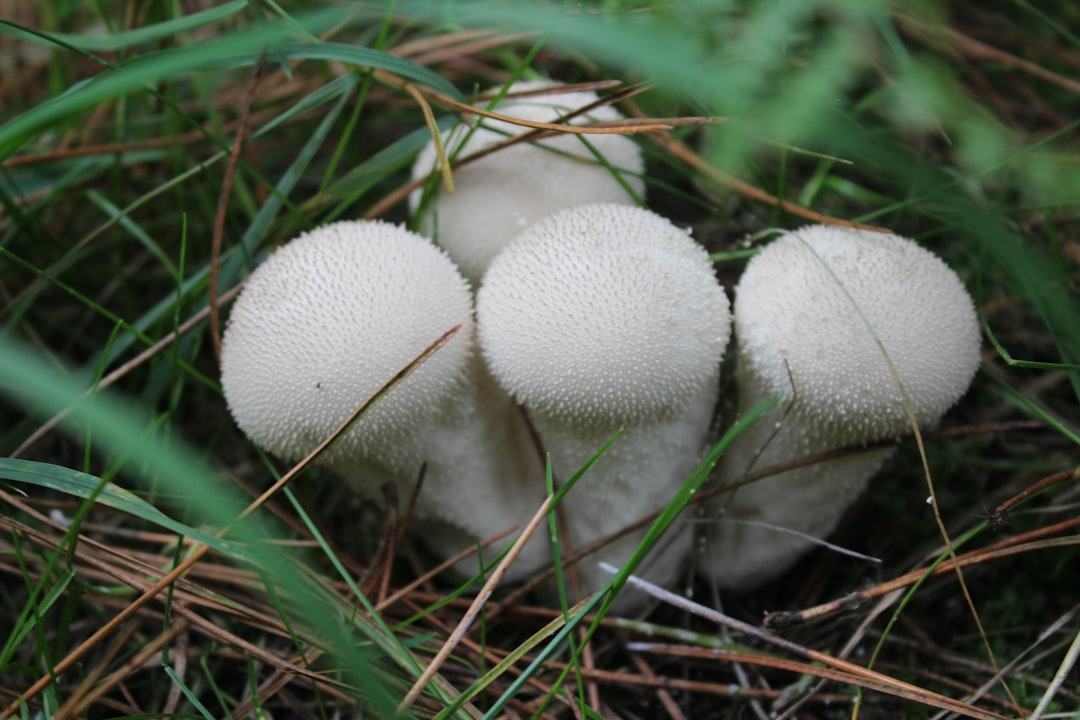
When discussing the safety of mushrooms for infants, we must draw an absolute, critical distinction between store-bought, cultivated mushrooms and wild, foraged varieties.
Under no circumstances should you ever feed a baby, or even an older child, mushrooms that were foraged in the wild unless they have been personally identified and certified as safe by a qualified expert.
Toxicity is the single greatest risk associated with mushrooms. Many deadly species look very similar to safe, edible ones. Since a baby’s system is so small and delicate, even a minuscule amount of a toxic fungus can be incredibly dangerous. Stick exclusively to commonly available, cultivated varieties purchased from trusted grocers, such as:
- Cremini (Baby Bella)
- White Button
- Portobello
- Shiitake
How to Safely Prepare Mushrooms for Your Baby
Preparation is everything when it comes to serving mushrooms to infants. The goal is to eliminate the choking risk and maximize digestibility. Raw mushrooms should never be given to babies, as they are too firm and their nutrients are harder to absorb.
For Younger Babies (6 to 9 Months)
In the early stages of solid food introduction, the safest method is often to fully purée or finely mash the cooked mushroom.
Preparation Steps:
- Thoroughly clean the mushrooms (avoid excessive soaking, as they absorb water).
- Cook the mushrooms completely until they are very soft. Sautéing them in a small amount of unsalted butter or olive oil, or steaming them, works well.
- Blend the cooked mushrooms into a smooth purée, perhaps mixing them with a familiar vegetable like sweet potato, squash, or green beans to aid in consistency and acceptance.
For Older Babies (9+ Months or Experienced Eaters)
If your baby is confidently handling finger foods, perhaps following a baby-led weaning (BLW) approach, you can introduce larger, but still very soft, pieces. However, you must be extremely cautious about size and texture.
Key Rules for Finger Foods:
- Size: Avoid small, coin-sized slices. If the piece is small enough to fit entirely into your baby’s mouth, it poses a significant choking risk.
- Texture: Mushrooms must be cooked until they are extremely tender—not just lightly sautéed. They should be soft enough to easily smash between your thumb and forefinger.
- Shape: Cut large mushrooms, like portobellos or larger shiitakes, into long, thin strips (about the size of an adult finger) or finely diced pieces. These strips are easier for the baby to hold and gnaw on, and the long shape ensures they cannot easily swallow the piece whole.
A note on seasoning: Always skip salt, sugar, and heavy seasonings when preparing food specifically for infants. Their kidneys are still developing, and excess sodium can be challenging for their systems.
Nutritional Contributions of Mushrooms
While often overlooked, mushrooms offer several beneficial nutrients that support a baby’s healthy development. They are a good source of several important components, especially when considering a plant-based diet.
Mushrooms generally contain:
- B Vitamins: Including riboflavin, niacin, and pantothenic acid, which support energy metabolism.
- Minerals: Such as copper, potassium, and selenium.
- Fiber: Which helps support healthy, regular digestion.
- Vitamin D: This is a unique benefit, as mushrooms are one of the few plant sources that naturally contain Vitamin D (and often increase their D content when exposed to UV light). Vitamin D is essential for calcium absorption and bone health.
Incorporating mushrooms into your baby’s diet helps introduce a wide range of micronutrients and expand their palate, encouraging adventurous eating habits as they grow.
Monitoring for Allergic Reactions and Digestive Concerns
Like any new food, it’s important to practice the “four-day rule” (or similar slow introduction method) when serving mushrooms for the first time. Serve a small amount of the prepared mushroom alone for two to four days before introducing another new food. This makes it easier to pinpoint the cause if a reaction occurs.
What to Watch For (Allergic Reactions)
While mushroom allergies are not as common as those to dairy or peanuts, they are possible. Watch for classic signs of an allergic reaction shortly after or within a few hours of consumption:
- Hives, rash, or itching around the mouth.
- Swelling of the lips, tongue, or face.
- Difficulty breathing, wheezing, or persistent coughing.
- Sudden vomiting or diarrhea.
If you notice any severe or concerning symptoms, especially involving breathing, seek immediate medical attention.
Digestibility and Gut Health
Because of the chitin content mentioned earlier, some babies may find mushrooms slightly harder to digest initially. It’s common for parents to notice pieces of mushroom in the baby’s diaper, as they may pass through partially undigested. This is usually normal and reflects the developing maturity of your baby’s digestive enzymes.
If your baby experiences significant discomfort, excessive gas, or unusual changes in stool consistency after eating mushrooms, simply pause the introduction for a few weeks and try again later. Sometimes, a little extra time is all that is needed for their system to catch up.
What If My Baby Refuses Mushrooms?
It is entirely normal for babies to initially reject the texture or flavor of a new food, particularly something as earthy as a mushroom. If your baby turns their head or spits it out, do not take it personally or view it as a failure.
Research often suggests that infants may need to be exposed to a new flavor 10 to 15 times before they fully accept it. If the first try doesn’t go well, simply wait a week or two and try again, perhaps mixed into a purée they already enjoy or offered in a different texture.
Remember, your role as a parent is to offer safe, nutritious, and varied foods; your baby’s job is to decide whether and how much to eat.
When Should I Call the Pediatrician?
While most issues related to new food introduction are benign, there are times when you should consult a licensed healthcare provider:
- Significant Digestive Distress: If the baby experiences severe, persistent vomiting, painful gas, or signs of abdominal discomfort that last for more than a few hours.
- Non-Emergency Allergic Signs: If the baby develops a mild rash or localized hives that do not impede breathing. Your pediatrician can advise on managing the reaction and determining future food introduction strategies.
- Persistent Refusal: If your baby is refusing a wide range of textures or seems to have difficulty swallowing appropriately sized food pieces after six months, it may be beneficial to discuss feeding techniques and potential oral motor development concerns with your doctor or a feeding specialist.
Introducing mushrooms can add unique flavor and nutritional depth to your baby’s menu in 2026. By following strict safety guidelines regarding preparation, cooking, and ensuring you only use cultivated varieties, you can confidently help your child explore this wonderful world of food.
Frequently Asked Questions About Mushrooms and Infants
Are raw mushrooms safe for babies?
No, raw mushrooms should not be
given to babies. They are too firm and rubbery, posing a significant choking hazard, and their nutrients are less bioavailable than when cooked. Always ensure mushrooms are cooked until very soft before serving them to your infant.
Can babies eat dehydrated or powdered mushrooms?
While cooking is mandatory, some parents choose to use powdered mushroom supplements or fine dehydrated powders mixed into purées or oatmeal. If you choose this route, always ensure the powder is a pure, cultivated variety without added salt, sugar, or unknown fillers, and consult your pediatrician first.
How often can I give my baby mushrooms?
Once your baby has tolerated mushrooms well for several days, they can be incorporated into their diet regularly, just like any other vegetable. Aim for variety in your baby’s meals, offering mushrooms a few times a week as part of a balanced diet.
Can I give my baby store-bought mushroom soup?
Store-bought soups are generally not recommended for babies because they are often very high in sodium and may contain added sugars, heavy creams, or preservatives that are unnecessary for an infant’s diet. It is always safest and healthiest to prepare mushroom dishes at home using minimal ingredients.
What kinds of mushrooms are best for baby-led weaning (BLW)?
Button, cremini, or portobello mushrooms are commonly used because they are widely available and mild-flavored. For BLW, they must be fully cooked until tender and cut into long, finger-shaped strips (large enough to hold but too big to swallow whole) to minimize the choking risk.
Friendly Disclaimer: This article is for informational purposes only and does not replace professional medical advice. If you have concerns about your baby’s health, nutrition, or development, please consult your pediatrician or a licensed healthcare provider.