

As parents, we are constantly navigating a vast sea of nutritional advice, looking for the very best, safest ingredients for our little ones. Honey often pops up in conversations—it’s a natural product, a known remedy for coughs in older children, and a seemingly innocent sweetener. So, when can babies safely enjoy it, and what are the risks of introducing it too early?
This is one of the most important questions a caregiver can ask about infant safety. The guidance here is clear, firm, and based on essential health protocols designed to protect your baby during their most vulnerable period of development.
The short, definitive answer is that babies under the age of one year must not be given honey, in any form.
This critical recommendation is not about allergies or general dietary caution; it is specifically related to the very serious, though rare, risk of infant botulism. We understand that hearing words like “botulism” can be alarming, but understanding the science behind this guideline is the best way to ensure your baby’s safety.
Below, we will break down exactly why this rule exists, what infant botulism means, and when you can confidently introduce this natural sweetener to your toddler.
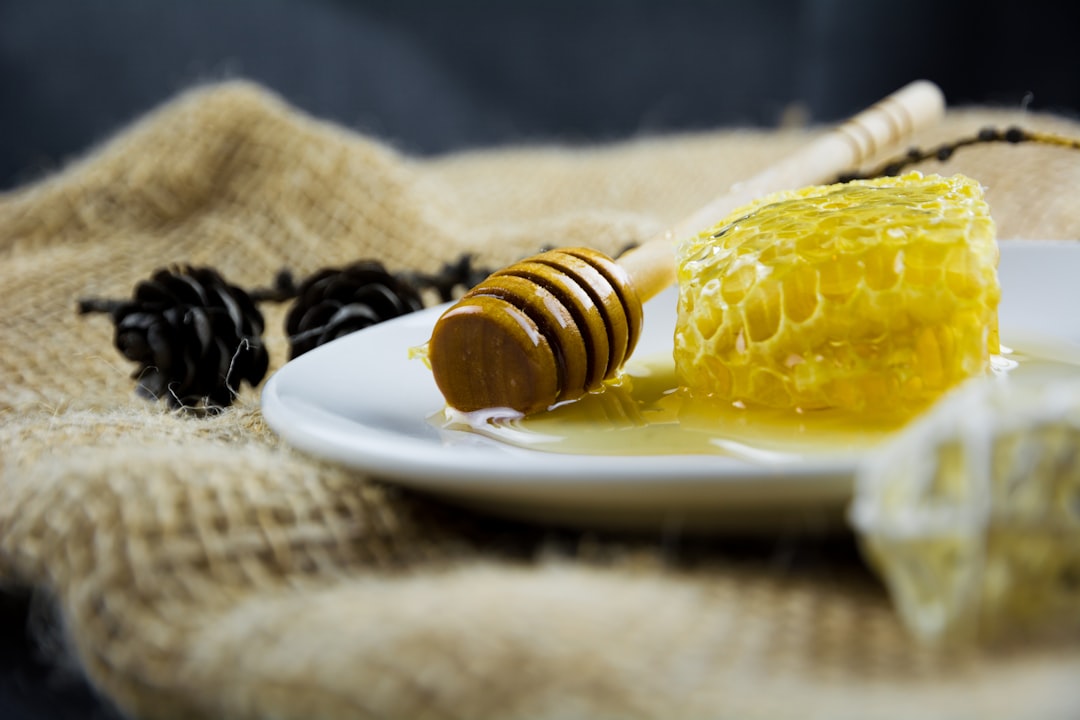
The Definitive Age Limit: When Is Honey Safe?
Health organizations, including the American Academy of Pediatrics (AAP), universally advise that parents and caregivers must avoid giving honey to infants before their first birthday.
This means honey should be kept off the menu for all babies under 12 months old, regardless of whether it is raw, pasteurized, local, or processed.
Once a baby celebrates that first birthday—in 2026, for example, if your baby was born in February 2025—their digestive system is usually considered mature enough to handle the potential threat. The gut environment changes dramatically during the first year of life, creating a safer, more acidic environment that neutralizes the botulism spores.
Why the Age Limit is 12 Months, Not 9 or 10 Months
The specific recommendation of 12 months is a consensus safety measure based on how an infant’s gut microbiome develops. During the first year, a baby’s digestive tract is still developing its protective bacteria. It is less acidic and the beneficial bacteria population is still establishing itself. This immature environment is susceptible to allowing Clostridium botulinum spores to germinate and produce toxins.
While some babies may develop a more mature gut slightly earlier, the 12-month mark serves as a standardized, safe benchmark for all infants.
Understanding Infant Botulism: The Core Safety Concern
The reason for the strict guideline against honey is the risk of infant botulism. While rare, it is a dangerous condition that requires immediate medical attention.
Infant botulism occurs when a baby ingests spores of the bacteria Clostridium botulinum. These spores are naturally present in dust, soil, and—crucially—honey.
How Botulism Spores Affect Infants
In most adults and children over one year old, when these spores are ingested, they pass harmlessly through the digestive tract. However, in an infant under 12 months:
- The spores can germinate (grow) inside the baby’s large intestine.
- Once germinated, they release a potent neurotoxin.
- This toxin interferes with nerve signals, leading to muscle weakness and paralysis.
Unlike food poisoning caused by ingesting the toxin itself (which typically affects older children and adults), infant botulism is caused by the *spores* germinating inside the baby’s body. Because their system lacks the necessary acid and established microbial competition to kill the spores, honey represents a unique and avoidable risk.
Recognizing Potential Symptoms: When to Call a Doctor
If your baby were accidentally exposed to honey, or if you are concerned about any unexplained changes in their health, it is essential to monitor them closely. Symptoms of infant botulism can develop anywhere from a few hours to several weeks after exposure, though typically symptoms appear within 3 to 30 days.
This condition usually starts subtly, often with constipation, which is sometimes the first noticeable sign parents observe. As the condition progresses, the signs of muscle weakness become more pronounced.
If you notice any of these signs, seek emergency medical attention immediately:
- Constipation: Often one of the first and most persistent signs.
- Lethargy and Weakness: The baby seems unusually tired, floppy, or struggles to hold their head up.
- Weak Crying: The baby’s cry sounds weak or muffled compared to their typical cry.
- Difficulty Feeding: Poor sucking, weak swallowing, or an inability to nurse or take a bottle effectively.
- Loss of Facial Expression: Droopy eyelids or a “mask-like” expression due to weakened facial muscles.
- Breathing Difficulties: Shallow breathing or labored respirations (this is the most serious sign and requires emergency care).
Do not wait for multiple symptoms to appear. If your baby is constipated and also showing signs of weakness or poor feeding, contact your healthcare provider immediately. Infant botulism requires specialized care, often in a hospital setting.
Addressing Common Parental Questions and Misconceptions
Once parents understand the risk of botulism, they often ask about specific scenarios involving honey. It’s important to understand why the avoidance rule applies across the board.
“What About Honey in Cooked or Baked Goods?”
A frequent question relates to honey that has been heated, such as in commercially baked bread, cookies, or processed cereals. Parents often wonder if the cooking process eliminates the risk.
Unfortunately, the spores of Clostridium botulinum are incredibly resilient. They can survive high temperatures that kill off most other bacteria. Pasteurization, boiling, or standard home baking temperatures are usually not hot enough, or sustained for long enough, to destroy the spores completely.
Therefore, any food containing honey—even if it has been baked or cooked—should be withheld from infants under 12 months. This is a guideline based purely on safety and prevention.
“Can Honey Help My Baby’s Cough or Sore Throat?”
Historically, honey has been used as a natural cough suppressant. For children over the age of one, a small dose of honey before bed can sometimes soothe nighttime coughing. However, because of the botulism risk, this remedy is strictly off-limits for infants under 12 months.
If your baby under one is struggling with a cough or cold, consult your pediatrician about safe ways to manage their symptoms. Recommendations usually focus on suctioning mucus, using a cool-mist humidifier, and ensuring adequate hydration.
“What if My Baby Accidentally Ate a Tiny Taste?”
It can happen—a grandparent offers a finger to taste, or a spoon accidentally brushes your baby’s mouth. If the exposure was minimal and accidental, try to remain calm. It is important to know that exposure does not guarantee illness, but you should take steps to monitor your baby closely.
Keep a detailed record of what happened and when. For the next several weeks, pay extra close attention to their feeding habits, bowel movements, and overall muscle tone. If you notice any of the warning signs (constipation, lethargy, weak cry), contact your pediatrician immediately and inform them about the potential exposure.
Safe Sweeteners and Alternatives During the First Year
Because infants have very immature digestive systems and kidneys, most concentrated sweeteners are not recommended during the first year of life. The focus in the first 12 months should be on breast milk or formula, followed by the introduction of solid foods that are naturally flavorful.
For parents looking for safe ways to introduce natural sweetness or variety into baby food (once solids are introduced around six months, following a pediatrician’s guidance in early 2026):
- Fruit Purees: Naturally sweet pureed fruits like apples, bananas, sweet potatoes, and pears offer fiber and nutrients without the risks associated with honey.
- Dairy Alternatives (Over Six Months): Plain, unsweetened full-fat yogurt (after clearance from your provider) can be mixed with fruit purees for a naturally sweet snack.
- Date Paste: While less common, date paste is sometimes used in specific recipes for older babies and toddlers, but like all new foods, it should be introduced cautiously and with pediatric approval.
Remember that the goal during the first year is to expose your baby to a wide variety of natural flavors, avoiding a preference for overly sweet tastes. Sugar, honey, and corn syrup are best delayed until after the first year.
Safely Introducing Honey After Age One
Once your child has passed their first birthday, the risk of infant botulism virtually disappears because their digestive system is well-equipped to handle the spores. At this point, honey is generally considered safe to introduce, though moderation is key.
As of 2026, nutrition guidelines still emphasize limiting added sugars for young children. If you choose to introduce honey:
- Use it Sparingly: Offer small amounts on toast, mixed into plain yogurt, or as a rare treat, rather than as a primary sweetener.
- Consider Local Honey: Some parents prefer local honey for perceived allergy benefits, though scientific evidence on this topic remains inconclusive.
- Continue to Prioritize Whole Foods: Maintain a focus on whole fruits and vegetables as the primary sources of sweetness and nutrition.
Introducing any new food, even after age one, should always be done gently, watching for any signs of allergic reaction, although honey is rarely a major allergen risk compared to items like peanuts or eggs.
Frequently Asked Questions About Honey and Infants
Is it safe for a breastfeeding mother to eat honey?

>
Yes, absolutely. If a mother eats honey, the botulism spores cannot pass through the bloodstream or breast milk to the baby. The risk is only present when the baby directly ingests the honey itself.
Does pasteurized or raw honey make a difference for babies?
No, the safety risk remains the same regardless of whether the honey is pasteurized, raw, local, or mass-produced. Standard pasteurization processes are designed to kill bacteria and yeasts, but they are not reliably effective at destroying the resilient Clostridium botulinum spores.
What about corn syrup or molasses? Are they safe?
Like honey, corn syrup and molasses have also been known to contain botulism spores and should be avoided for babies under 12 months. In fact, most experts recommend avoiding all forms of added sugar, including cane sugar and syrup, during the first year to promote healthy eating habits.
My toddler (18 months) ate honey. Is that okay?
Yes. Once your child is over 12 months old, their digestive system is developed enough to handle the botulism spores safely. There is no need for concern or specialized monitoring after the first birthday.
If honey is a natural product, why is it so dangerous for infants?
The danger comes from the specific immaturity of the infant digestive tract, not from the honey itself being “unnatural.” The spores that cause botulism are naturally present in the environment (soil, dust) and can contaminate honey during harvesting. It’s the interaction between the spore and the baby’s immature gut that creates the risk.
***
Friendly Disclaimer
This article is for informational purposes only and does not replace professional medical advice. If you have concerns about your baby’s health, development, or any accidental ingestion of honey, please consult your pediatrician or a licensed healthcare provider immediately. Safety in infant care is always paramount, and professional guidance is your best resource.