
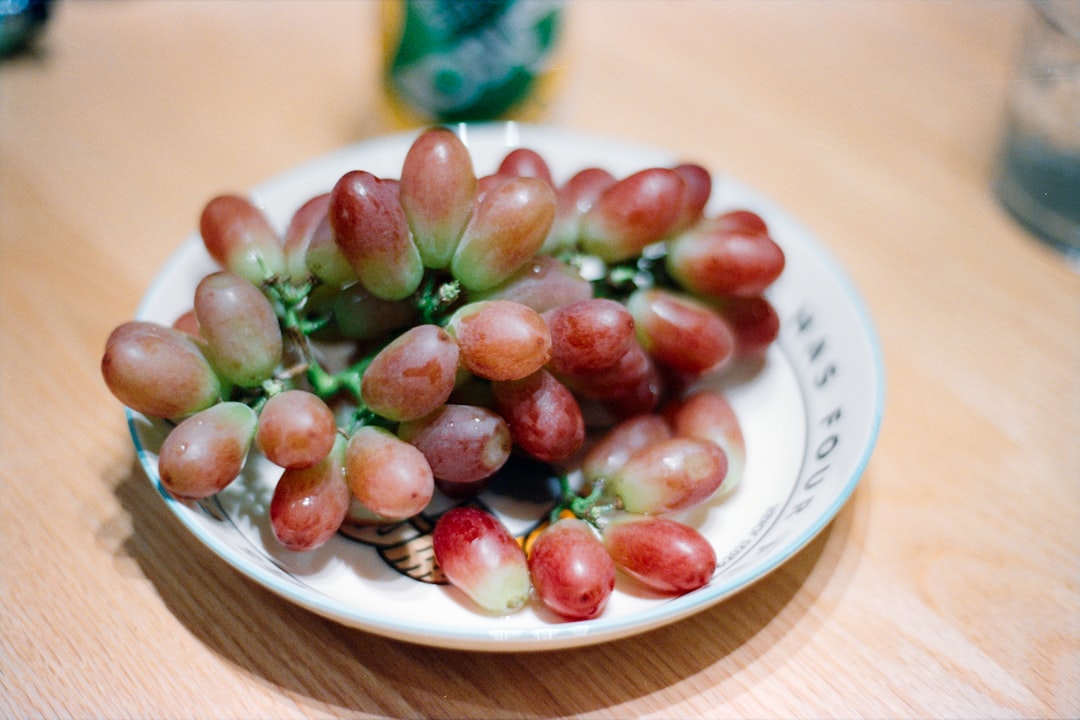
As your baby moves beyond purees and shows increasing curiosity about the food on your plate, it’s natural to start examining almost every fruit and vegetable through a safety lens. Grapes are a particularly appealing choice for parents—they are small, sweet, hydrating, and easy to grab. However, when introducing grapes to infants and younger toddlers, a critical safety consideration must come first.
It’s completely understandable why grapes often raise questions among caregivers. Their size and texture place them squarely in a category of foods that require careful preparation before they can be safely offered to a baby learning to chew and swallow. This guide, written by an experienced parenting editor, aims to provide calm, clear, and practical advice on safely introducing grapes, focusing heavily on prevention and proper technique, so you can feed your little one with confidence.
We will explore the primary safety risks, the ideal developmental timing for introduction, and the indispensable preparation methods that transform a potential hazard into a healthy snack. Remember, introducing new foods is an exciting part of development, but safety is always the primary concern.
The Critical Safety Concern: Choking Risk in Infants
The number one reason grapes require caution is their significant risk as a choking hazard. This isn’t because of the nutritional content, but purely due to their physical characteristics relative to a baby’s anatomy and developmental stage.
Why Grapes Pose a Unique Risk
Unlike many other solid foods, grapes are:
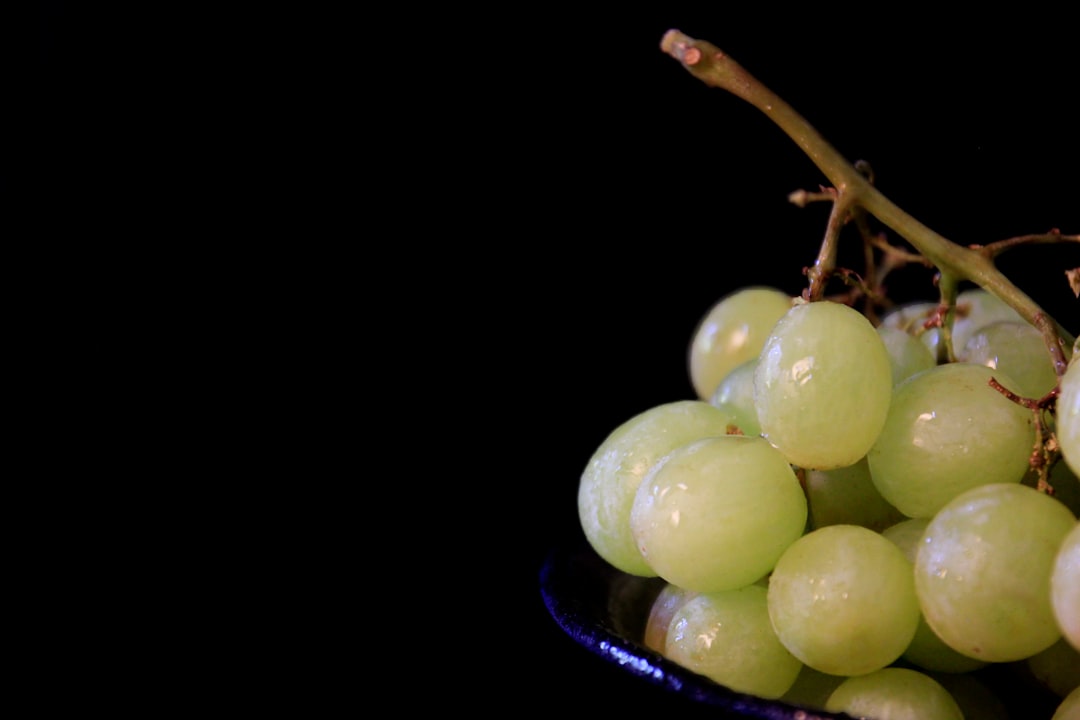
- Spherical and Firm: They are the perfect size and shape to completely block a baby’s airway. An infant or young toddler’s throat is about the diameter of a grape.
- Slippery: The smooth, often taut skin makes them difficult for a baby to grip with their gums or early teeth. This slipperiness also prevents the food from being easily broken down by the saliva or mashed with the tongue.
- Lack of Molars: Babies under the age of four often lack the grinding molars necessary to properly break down tough or spherical foods. They rely on their front gums or teeth, which primarily slice or mush soft foods, but struggle with firm, round items like whole grapes or cherry tomatoes.
This combination means that if a whole grape is swallowed quickly, it may bypass the chewing process entirely and become lodged in the throat, creating an emergency situation. Because of this well-known hazard, leading organizations like the American Academy of Pediatrics (AAP) strongly advise against feeding whole grapes to children under the age of four.
When Is the Right Time to Introduce Grapes?
While the safety concern is paramount, the timing of introduction depends on your baby’s overall readiness for solids. Most pediatricians recommend introducing solids starting around six months, but grapes—even prepared ones—are typically reserved for a slightly later stage.
Developmental Readiness
Grapes, even when quartered, are relatively complex to manage compared to soft purees or readily dissolving foods. Most parenting experts suggest waiting until a baby is confidently handling a wider variety of textures, often sometime between 8 to 12 months, before introducing properly prepared grapes.
Key readiness signs include:
- The ability to chew with a sideways motion (not just up and down mashing).
- Developing the pincer grasp, allowing them to pick up small pieces of food accurately.
- Successfully managing other small, soft solid foods like finely chopped banana or soft cooked vegetables.
If you are exploring infant-led weaning or baby-led feeding methods, you still must adhere to the strict rule of cutting grapes down to a safe size, regardless of your baby’s age or skill level.
Preparation is Everything: The Non-Negotiable Safety Rule
The single most important piece of guidance regarding grapes is: Never serve a baby or young toddler a whole grape. The only way to mitigate the choking risk is to completely change the shape of the grape.
The Essential Preparation Method: Quarters, Not Halves
Simply cutting a grape in half still leaves two semi-spherical pieces that can pose a risk. The critical step is to cut the grape lengthwise (top to bottom), and then cut each half again lengthwise. This results in four long, thin quarter pieces.
Remember this rule: The pieces must be long and flat, ensuring they cannot form an airway obstruction if accidentally swallowed quickly.
Should I Peel or Deseed the Grapes?
For younger infants (8–10 months), peeling the skin may sometimes be advised. The skin can be tough and difficult for a baby to manage, even when cut. Peeling makes the quarters softer and easier to digest.
- Peeling: For the youngest eaters, this extra step may improve digestibility and reduce texture challenges.
- Deseeding: If you are using grapes with large, firm seeds, they should always be removed. While small seeds in seedless grapes are generally fine for older babies, removing them for very young infants provides an extra measure of safety and comfort.
As your child approaches their second birthday and is fully competent in chewing complex textures, peeling may become unnecessary, provided the grapes are still properly quartered.
Nutritional Benefits: Why We Want to Include Grapes
While safety dominates the conversation around grapes, once properly prepared, they offer excellent nutritional value, making them a wonderful addition to a varied diet in 2026.
Hydration and Vitamins
Grapes are composed primarily of water, making them a fantastic source of hydration, especially during warmer months. They also contain beneficial nutrients, though not in the same density as some dark green vegetables:
- Vitamin K: Important for blood clotting.
- Vitamin C: An antioxidant that supports the immune system and helps the body absorb iron from other foods.
- Antioxidants: Especially in the skin (which is why peeling may be optional for older toddlers), grapes contain polyphenols that contribute to overall health.
A Note on Sugar Content
Grapes are naturally quite high in sugar compared to other fruits like berries or avocados. While natural fruit sugar is preferable to refined sugar, it is wise to offer grapes in moderation and as part of a balanced meal, rather than letting your baby graze on them constantly. They should complement, not replace, less sweet, nutrient-dense foods.
Introducing Grapes: A Step-by-Step Guide
If your pediatrician has cleared your baby for a wide variety of solids, follow these steps to introduce grapes safely:
1. Choose the Right Grape Variety
Opt for firm, sweet grapes. Seedless varieties are often the easiest to prepare. Ensure they are thoroughly washed to remove any potential residues.
2. Execute the Four-Way Cut
Cut all grapes into four long, flat quarters. If a grape is very large, cut it into six or eight pieces.
The Safety Check: Each piece should be narrower than your baby’s pinky finger. If the piece is still bulky or round, cut it again.
3. Supervise Closely
All meals should be supervised, but it is especially crucial when introducing foods with a known choking risk, even when prepared correctly. Sit with your baby and observe their chewing habits.
4. Offer Small Amounts
Start with one or two quartered grapes. Watch for signs of gagging (which is normal as they learn to move food) versus choking (which is silent and requires immediate intervention).
Handling Potential Reactions and Allergies
Grapes are not among the top major food allergens (like milk, eggs, or peanuts), but any new food can potentially cause a reaction or digestive discomfort.
Allergies vs. Sensitivity
True grape allergies are rare, but possible. If introducing grapes for the first time, follow the standard guidance for new foods: introduce them on their own, allowing three to five days before introducing another new food. This makes it easier to pinpoint the source of any reaction.
Signs of an allergic reaction may include:
- Hives, rash, or swelling (especially of the face or mouth).
- Difficulty breathing or wheezing.
- Sudden vomiting or diarrhea.
Digestive Sensitivity
Grapes, particularly the skin, contain fiber and can be acidic. Some babies may experience minor digestive discomfort, such as slightly looser stools, if they eat too many. If this occurs, simply reduce the portion size or ensure you are peeling the grapes until their system is more accustomed to high-fiber skin.
When to Consult Your Pediatrician
While grape introduction is generally straightforward with proper preparation, you should always consult your pediatrician if:
- You have any uncertainty about whether your baby is developmentally ready for the texture of quartered grapes.
- Your baby consistently struggles to chew and swallow even small, properly prepared pieces of food.
- Your baby develops any immediate signs of an allergic reaction (hives, severe rash, swelling, or difficulty breathing) after consuming grapes.
- You notice persistent digestive issues, such as painful gas or chronic diarrhea, that seem linked to grape consumption.
Your pediatrician or a feeding specialist can assess your child’s oral motor skills and provide personalized guidance appropriate for their specific development in early 2026.
Frequently Asked Questions About Feeding Grapes
Q1: Can babies eat raisins? Are they safer than grapes?
A: No, raisins are generally n

ot safer and pose a similar, albeit different, choking hazard. Raisins are sticky, chewy, and can easily get lodged in a baby’s throat or wrapped around the gums. They should be avoided until a child is much older (usually closer to age 3 or 4) and demonstrates excellent chewing skills.
Q2: Can I blend grapes into a smoothie or puree?
A: Yes, grapes can be blended into a smoothie or served as a puree mixed with other fruits like banana or apple, even for younger infants (6+ months). When pureeing, it’s best to remove any large seeds and ensure the mixture is smooth and without large, chewy chunks of skin.
Q3: What age is it usually safe to stop cutting grapes?
A: Experts typically recommend continuing to cut grapes into small, long pieces until a child is at least four years old. This is when they have developed the necessary chewing capability (molars) and the consistency of focus needed to manage small, firm, round foods safely without distraction.
Q4: Are green grapes or red grapes better for my baby?
A: Both red and green grapes offer similar nutritional benefits, though red and purple grapes often contain slightly higher levels of antioxidants in their skin. Focus on choosing whichever variety is fresh, firm, and seedless, ensuring proper preparation remains the priority regardless of color.
Friendly Disclaimer
This article is for informational purposes only and does not replace professional medical advice. The information provided is intended to support parents with general, safety-focused guidance. If you have concerns about your baby’s health, feeding, development, or are worried about choking prevention, please consult your pediatrician, a registered dietitian, or a licensed healthcare provider.