
The journey of introducing solids to your baby is exciting, full of new flavors, textures, and understandably, a lot of questions. As parents navigate their baby’s changing palette in early 2026, many look toward familiar family favorites. Corn is a staple in many US diets, and its sweet taste and bright color often make it appealing to caregivers thinking about baby-led weaning or traditional purees.
The main question surrounding corn isn’t typically about its nutritional profile, but rather about safety. Is it safe for their tiny digestive system? More importantly, how do we handle those small, tough kernels, which seem like a prime choking hazard?
As a trusted parenting editor, my goal here is to provide calm, clear guidance. We will explore the appropriate timing for introduction, essential preparation techniques to minimize risk, and what is considered normal when corn passes through your little one’s digestive tract. Remember, while this information is designed to support you, always discuss major dietary changes or specific health concerns with your pediatrician.
When Is Corn Appropriate to Introduce to Your Baby?
Most licensed healthcare providers and organizations like the American Academy of Pediatrics suggest introducing solid foods around six months of age. However, readiness is less about the calendar date and more about developmental milestones.
When considering corn, or any new solid, ensure your baby exhibits these critical readiness signs:
- Good Head and Neck Control: They can sit upright, usually with little or no assistance.
- Loss of the Extrusion Reflex: The natural tongue-thrust reflex that pushes food out of the mouth should have diminished.
- Showing Interest in Food: They may lean toward food you are eating or try to grab it.
- Ability to Chew or Mash: While they won’t have molars yet, they should be able to move food from the front of the mouth to the back for swallowing.
If your baby meets these general developmental criteria, corn can typically be introduced. However, due to its texture and the hard hull of the kernel, preparation is crucial regardless of whether you are spoon-feeding or practicing baby-led weaning (BLW).
Addressing the Primary Safety Concern: Choking Hazard
The most significant concern parents have about corn is the risk of choking. This is a highly valid concern, particularly with whole, cooked corn kernels. Their size and cylindrical shape make them a potential hazard for an infant’s developing airway.
Why Whole Kernels Pose a Risk
A whole corn kernel is small enough to lodge in an infant’s throat, yet large enough to obstruct the airway. Unlike soft, dissolvable foods (like well-cooked sweet potato), the outer skin (hull) of the kernel is tough and does not easily break down, even after steaming or boiling.
Because of this risk, it is highly recommended that you avoid serving whole, intact corn kernels to babies under the age of four. Prioritize preparation methods that eliminate the whole kernel shape.
Safest Ways to Prepare Corn for Infants
The key to safe corn introduction lies in altering the texture and shape. Remember, we are not just looking for “soft” but also for “non-chokeable” shapes.
1. Corn Puree or Smooth Mash (6–9 Months)
For first-time solid eaters, a thoroughly pureed or very finely mashed form of corn is the safest method. You can use frozen or fresh corn, steam it until very soft, and then blend it until completely smooth. If using canned corn, ensure it is low-sodium or unsalted, and rinse it thoroughly.
Crucial Step: After pureeing, pushing the mixture through a fine-mesh sieve may be necessary to remove any remnants of the fibrous outer hull. This ensures the consistency is entirely smooth and digestible.
2. Adding Cornmeal or Polenta (6–12 Months)
Cornmeal, or fine ground corn, is an excellent way to introduce the flavor and nutrition of corn without any choking risk. This can be prepared as polenta or soft corn grits, cooked with water or breast milk/formula until very thick and creamy. Once cooled, this soft food is a wonderful source of energy and flavor.
3. Corn Fritters or Pancakes (9 Months and Up)
Once your baby is confidently handling textured foods, pincer grasping, and chewing, you can introduce corn in composite forms like small, thin corn fritters or pancakes.
Preparation Tip: Ensure the fritters are made using finely ground corn or pureed corn, and if adding kernels to the batter, mash them lightly first. The fritter itself should be soft enough for you to mash between your thumb and forefinger.
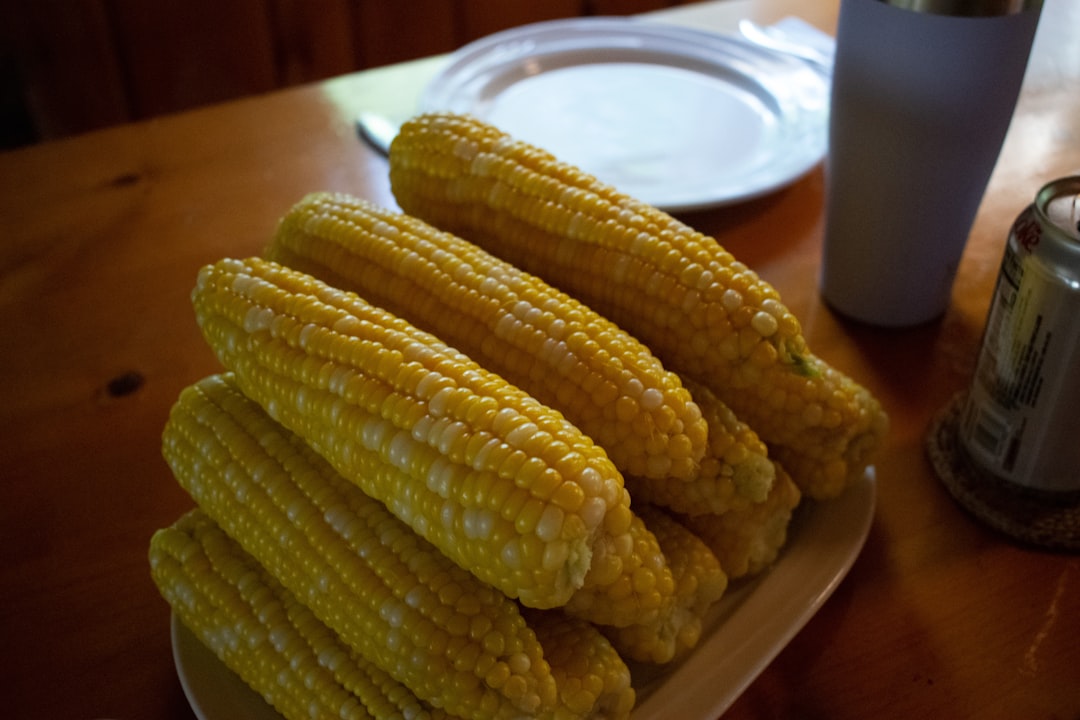
4. Corn on the Cob (Later Introduction, Careful Supervision)
Many parents wonder about corn on the cob, especially when practicing baby-led weaning. It is commonly recommended to wait until closer to 12 months, or until the child has a well-developed lateral chew. If you choose to introduce it:
- Preparation: Cook the corn on the cob until very tender.
- Presentation: Offer a large piece (at least an inch wide) that the baby can easily hold.
- Supervision: Watch closely. The baby should be supervised 100% of the time. They are primarily gnawing the sweet, starchy pulp off the kernel, not eating the entire kernel.
- Inspection: Immediately remove the cob if the baby manages to bite off or break apart a chunk of kernels that could pose a choking risk.
Nutritional Benefits of Introducing Corn
While corn is often thought of simply as a starch, it does offer valuable nutrients that fit well into a balanced infant diet, especially as they grow and need more energy.
- Energy Source: Corn is primarily a complex carbohydrate, providing the necessary fuel for a quickly developing baby’s brain and muscles.
- Fiber Content: In its whole form (once safe to consume), corn provides dietary fiber, which can help support healthy and regular digestion.
- Vitamins and Minerals: It contains B vitamins (like folate), Vitamin C, and magnesium, all supporting growth and metabolism.
It’s important to remember that complementary foods like corn are intended to supplement, not replace, the primary source of nutrition (breast milk or formula) during the first year of life.
Understanding Digestion: The Whole Kernel Mystery
Perhaps the most common parental observation after introducing corn is seeing those small, recognizable yellow kernels appear whole in the baby’s diaper a few hours later. This can sometimes cause mild worry, but it is usually considered completely normal.
This phenomenon is due to cellulose. Cellulose is the tough, fibrous material that makes up the outer casing (the hull) of the corn kernel. While the inside, the starchy endosperm, is easily digested by enzymes in the stomach and small intestine, the human body lacks the necessary enzymes to fully break down this hard cellulose layer.
For adults and children alike, if the kernel is swallowed whole or is not chewed extensively, the hull remains intact throughout the digestive process and passes right through. This is simply a function of fiber processing and does not indicate a digestive problem, lack of nutrient absorption, or illness in most babies.
Reassurance Tip: If you see whole kernels, it simply means your baby swallowed them without fully crushing the outer hull. This is common. If you are concerned about persistent, undigested food in the stool combined with symptoms like pain or significant diarrhea, consult your pediatrician.
Corn Allergies and Sensitivities in Infants
Corn is not listed among the top eight major food allergens (like peanuts, milk, and soy). However, any food has the potential to cause an allergic reaction or sensitivity, including corn.
Signs of Sensitivity or Allergy
When introducing corn, follow the standard guidance for new foods: offer it alone for the first time, wait 3–5 days before introducing another new food, and monitor for reactions.
Mild sensitivities may manifest as increased gas, fussiness, or a minor rash around the mouth. True allergic reactions, though rare with corn, require immediate attention and can include:
- Hives or widespread rash
- Swelling of the lips, tongue, or throat
- Difficulty breathing
- Sudden vomiting or severe diarrhea
If you suspect an immediate or severe allergic reaction, seek emergency medical care immediately.
What to Avoid When Serving Corn
Safety extends beyond the kernel itself. The preparation and accessories can make corn unsafe for infants.
- Popcorn: Popcorn is a definitive choking hazard and should be avoided entirely until children are older than four, and often older if they have difficulty chewing. The hard, often unpopped kernels and the fluffy, dry texture are extremely risky for infants.
- Highly Seasoned Corn: Avoid offering corn that has been heavily salted, sugared, or mixed with large amounts of butter, cheese sauces, or high-sodium seasonings. Infants should only consume plain, minimally processed foods.
- Canned Corn Syrup Products: While corn is safe, ultra-processed products derived from corn (like high-fructose corn syrup) have no place in an infant’s diet and offer no nutritional benefit.
When to Consult Your Pediatrician
As dedicated caregivers, it is natural to monitor every bite and bowel movement. While most experiences with corn are straightforward, there are times when professional guidance is needed. Consult your pediatrician if you observe any of the following:
- Signs of Discomfort: If the baby experiences severe bloating, excessive gas, or visible pain and cramping after eating corn, it could indicate an intolerance or difficulty processing the high fiber content.
- Severe or Persistent Diarrhea: A slight change in stool texture is normal with solids, but sudden, frequent, watery stools require medical evaluation.
- Choking Incidents: If your baby struggles significantly with the texture, shape, or consistency of the corn, pause the introduction and discuss safer preparation methods before trying again.
- Allergy Symptoms: As noted above, any sign of an allergic reaction warrants prompt medical attention.
Introducing corn is a manageable step in your baby’s culinary adventure. By prioritizing proper preparation—focusing on smooth purees, soft fritters, or ground meal—you can safely offer this sweet, nutritious grain, building positive and trusting eating experiences for your little one in 2026.
Frequently Asked Questions (FAQ) About Serving Corn to Babies
Is canned corn safe for my baby?
Canned corn can be safe, but you must ensure it is low-sodium or unsalted, as infants should not consume excess salt. Always rinse the corn thoroughly under running water before steaming or pureeing to remove residual sodium and preservatives. Puree it well to remove the tough hulls.
Can babies eat popcorn?
No, popcorn is considered a definitive choking hazard for infants and toddlers. Its hard, unpopped kernels and the dry, airy texture of the popped kernels make it very unsafe for children under the age of four.
If my baby swallows a whole kernel, should I worry?
In most cases, no. If a baby accidentally swallows a whole, cooked kernel, it is highly likely to pass safely through their digestive system and appear intact in their diaper later. The main risk is choking upon initial swallowing; once it reaches the stomach, it typically poses no threat.
Is corn difficult for babies to digest?
While the tough outer hull (cellulose) of the kernel is indigestible, the starchy interior is easily broken down and absorbed by your baby’s system. If you see pieces in the diaper, it simply means the hull passed through intact, which is normal for high-fiber foods.
Can corn be served as a first food?
Yes, corn can be served as an early food, usually after the initial introduction of single-ingredient purees like rice cereal or sweet potato. It should always be served in a safe, completely smooth puree form initially to eliminate choking risks.
Disclaimer: This article is for informational purposes only and does not replace professional medical advice. If you have concerns about your baby’s health, feeding, or development, please consult your pediatrician or a licensed healthcare provider.