
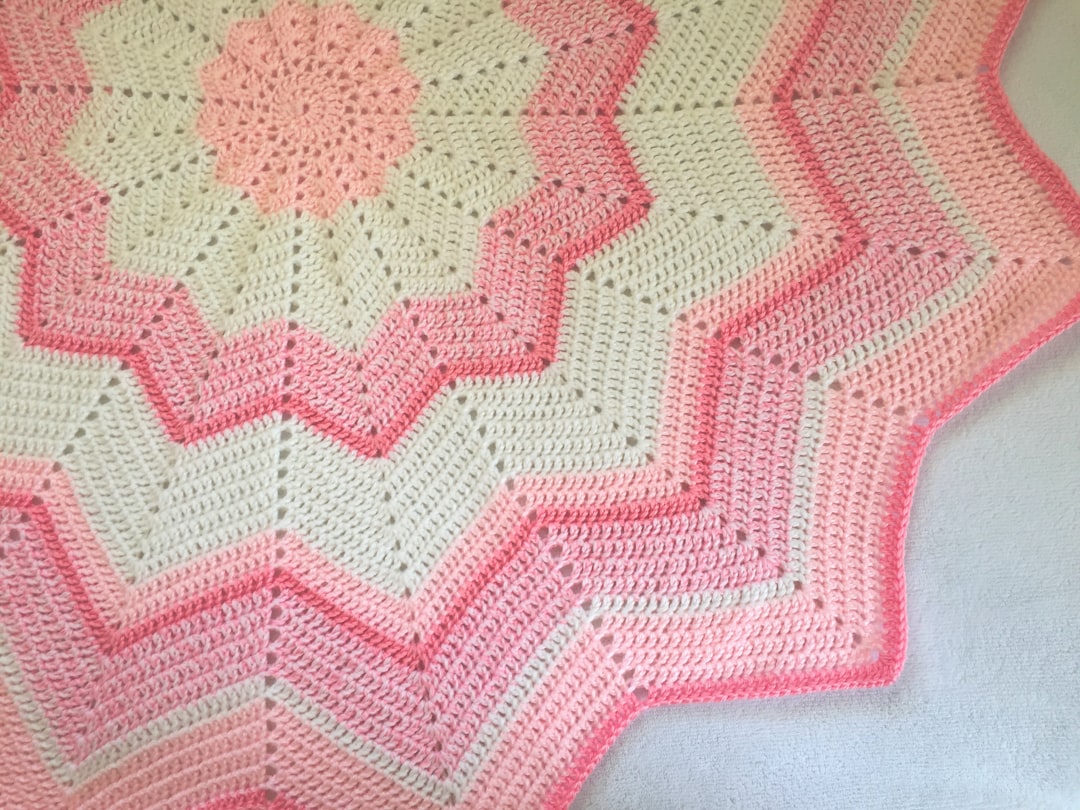
Creating a baby blanket is often a labor of love—whether you are making it for your own little one arriving in 2026 or as a meaningful gift for a friend. This special project involves hours of effort and care, making the choice of material crucial. Unlike blankets made for adults, a baby blanket must meet specific, non-negotiable standards centered on infant safety, skin sensitivity, and realistic durability.
It’s completely normal to feel overwhelmed by the sheer number of fiber options available. Parents frequently ask, “Will this yarn irritate their sensitive skin?” or “Will it hold up after countless washes?”
As experienced parenting editors, our goal is not just to suggest popular fibers, but to guide you through the safety-first choices. We will walk through the essential criteria for selecting yarn that is comfortable, practical, and gentle enough for the newest member of your family, ensuring your beautiful creation is safe for use from day one.
Safety First: Non-Negotiable Criteria for Baby Blankets
When selecting materials that will be in close contact with a baby, safety is always the highest priority. Infants have incredibly delicate skin, and their environments must be free from undue irritants or hazards. The best yarn must be assessed based on three key factors: breathability, softness, and washability.
1. Softness and Hypoallergenic Qualities
A newborn’s skin is highly sensitive. Fibers that feel soft to an adult may feel scratchy or irritating to a baby, potentially leading to redness or discomfort. Furthermore, choosing a material that is considered hypoallergenic can sometimes minimize the chance of skin reactions, especially for babies who might have underlying sensitivities.
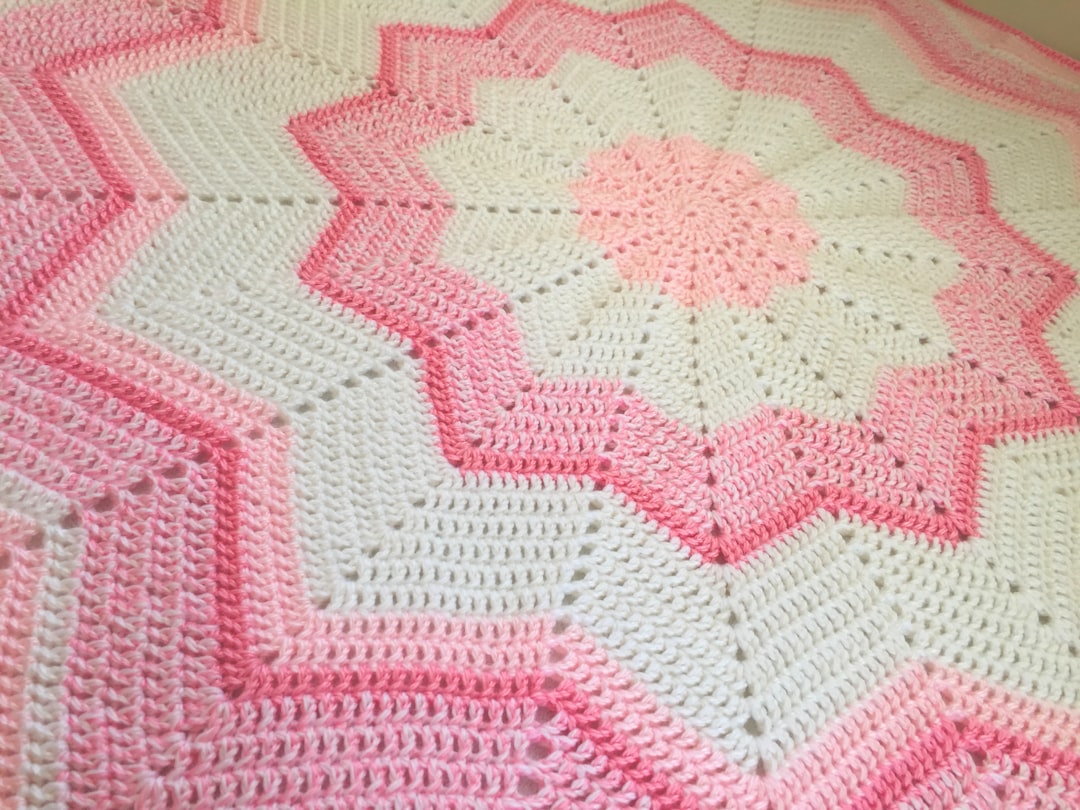
- Avoiding Irritants: Look for smooth textures. Yarns with excessive fuzz or scratchiness, such as certain varieties of coarse wool, should generally be avoided for direct infant contact.
- Skin Sensitivity: While true allergies to synthetic fibers are rare, natural fibers can sometimes trigger a reaction. Opting for materials known for their mildness, like certain organic cottons, is often a good starting point.
2. Breathability and Temperature Regulation
Babies, particularly newborns, are not yet efficient at regulating their own body temperature. A blanket must be breathable to allow heat and moisture to escape, preventing overheating, which is a significant safety concern. Heavy, dense, or tightly spun synthetic yarns might trap too much warmth.
Always ensure the finished blanket is used safely. The material itself should not be so thick or heavy that it poses any potential risk if it accidentally covers the baby’s face, emphasizing the need for open, breathable stitches and lightweight fibers.
3. Durability and Washability (The Practical Test)
A baby blanket is going to get messy—frequently. Whether it’s spit-up, diaper leaks, or inevitable food stains down the road, the blanket will require regular washing, perhaps several times a week, especially in the early months of 2026. If a yarn requires delicate hand-washing or special solvents, it simply won’t be practical for real-life parenting.
- Machine Friendly: The best yarns are those labeled superwash or machine-washable and dryable. This ensures the fibers maintain their shape, softness, and color without excessive wear or felting.
- Dye Safety: Choose yarns colored with dyes specifically noted as safe for babies. While most commercial yarns in the US adhere to safety standards, checking for certifications indicating toxin-free dyes can offer extra peace of mind.
Top Contenders: Analyzing the Best Fibers for Infants
No single yarn is universally “the best,” but several materials consistently meet the criteria for infant use. The choice usually comes down to a balance between cost, softness, and care requirements.
Acrylic: The Practical, Budget-Friendly Choice
For many modern parents and crafters, acrylic is the go-to fiber for baby items, and for good reason. High-quality acrylic yarns manufactured today are far superior to the scratchy acrylics of decades past. They offer exceptional utility and safety.
Pros:
- Excellent Washability: Acrylic typically handles repeated machine washing and drying without degradation.
- Hypoallergenic: It is a synthetic fiber, meaning allergic reactions related to natural proteins (found in some wools) are almost nonexistent.
- Affordability: It is usually the most cost-effective choice for large projects.
Cons:
- Breathability: Depending on the quality and the thickness, some acrylics may be less breathable than natural fibers like cotton. It is important to choose a lighter weight and use open stitches.
- Feel: It may lack the luxurious feel of high-end natural fibers.
Natural Favorites: Cotton and Bamboo
Natural fibers are popular because of their excellent breathability and environmental qualities. When choosing natural fibers, prioritize blends or options specifically labeled as soft for infants.
Cotton
Cotton is a reliable fiber, especially organic cotton. It is extremely breathable and often becomes softer the more it is washed. Because cotton tends to absorb moisture, it is superb for blankets intended for warmer climates or warmer times of the year, like spring and summer 2026.
Bamboo/Rayon Blends
Yarn derived from bamboo pulp is incredibly soft, smooth, and has a wonderful drape. It often feels cool to the touch and provides excellent breathability. These yarns are generally very gentle on sensitive skin. However, be mindful that 100% bamboo yarn might lack the structure and durability of a cotton or acrylic blend, so look for a blend that enhances its strength and washability.
When to Use Wool (The Cautionary Approach)
Wool is celebrated for its warmth and natural temperature-regulating properties, making it appealing for cold winter months in 2026. However, parents must be highly selective.
- Superwash Merino Wool: This is generally the only wool recommended for infant use. Merino is an incredibly fine fiber, making it much softer than traditional sheep’s wool. The “superwash” treatment prevents the yarn from felting when machine washed, which is essential for practical use.
- The Allergy Factor: While rare, some babies may be sensitive to lanolin or the protein structure of wool. If you choose wool, monitor the baby’s skin closely for any signs of irritation or discomfort.
- Avoid Non-Superwash: Standard, non-superwash wool should be avoided entirely, as the required delicate care is impractical and the wool could felt into an abrasive texture after the first accidental wash cycle.
What to Avoid: Red Flags in Baby Blanket Yarn Selection
When shopping for yarn, there are several characteristics, regardless of the fiber type, that should signal caution for a baby’s blanket.
The Problem with Texture
Furry or Eyelash Yarns: While tempting for their adorable softness, novelty yarns with very long strands (like eyelash or similar fuzzy types) may shed individual fibers. These tiny fibers could potentially pose a hazard if inhaled or ingested by an infant. It is safer to choose smooth, tightly spun yarns.
Excessive Embellishments
Blankets should be kept simple and secure. Avoid yarns with attached sequins, beads, buttons, or other small decorative elements woven into the strand. These pieces can potentially detach over time, creating a choking hazard for the baby.
Very Dark or Intense Dyes
While dye standards are high, some highly pigmented yarns (especially very bright reds, deep purples, or dark blues) might have a tendency to bleed color during the first few washes. This can stain other items or, less commonly, cause temporary skin discoloration. Always wash dark-colored items separately before use.
Choosing the Right Weight and Stitch
The yarn type is only half the equation; the density of the final fabric is equally important for safety and comfort. Regardless of whether you choose cotton or acrylic, a heavy, tight blanket can be too warm and too stiff for an infant.
Lightweight Yarns (Weight 3 or 4): Most editors recommend working with a DK (Weight 3) or Worsted/Aran (Weight 4) weight yarn. These provide warmth without excessive bulk. Thicker, bulky yarns (Weight 5 or 6) often create a blanket that is too dense and warm for safe infant use.
Open Stitch Patterns: Use knitting or crochet patterns that naturally create a breathable fabric, such as a moss stitch, open basket weave, or basic single crochet. Avoid extremely tight patterns that make the fabric stiff, as this reduces both drape and airflow.
When Should I Seek Advice?
The decision about the best yarn for a baby blanket is primarily an issue of comfort and safety, not medical concern. However, if your baby develops a rash or persistent skin irritation after contact with a particular blanket (homemade or store-bought), you should gently set the item aside and consult your pediatrician. They can help determine if the reaction is due to a fabric softener, detergent residue, or if the baby has a heightened sensitivity to a certain fiber type.
Frequently Asked Questions (FAQ)
Is acrylic yarn safe for a newborn?
Yes, modern, high-quality acrylic yarn is generally considered safe for newborns. It is hypoallergenic, easy to clean, and affordable, making it a very practical choice for items that require frequent washing. Ensure the acrylic chosen is labeled as soft and not scratchy.
Should I pre-wash a homemade baby blanket?
Absolutely. It is essential to wash the finished blanket before the baby uses it. Pre-washing removes any residual factory chemicals, dye residue, dust, or potential allergens, making the blanket cleaner and softer for sensitive skin.
What does “superwash” mean in relation to wool?
The term “superwash” means the wool fibers have been treated to prevent them from shrinking or felting when machine washed. If you choose wool for a baby blanket, it must be superwash to be a practical and durable item for frequent use.
Is it safer to choose organic cotton yarn?
Organic cotton is an excellent, safe choice because it is grown and processed without harsh pesticides or chemicals, which can sometimes be beneficial for babies with very sensitive skin or environmental sensitivities. It is highly breathable and durable.
How thick should a baby blanket be?
A baby blanket should generally be lightweight and breathable. Avoid very thick or bulky yarns (Weight 5 or 6) that create a heavy, dense fabric. A lightweight blanket made with breathable stitches ensures better temperature regulation and safety.
Friendly Disclaimer: This article is for informational purposes only and does not replace professional medical advice. If you have concerns about your baby’s health, skin sensitivity, or development, please consult your pediatrician or a licensed healthcare provider.