
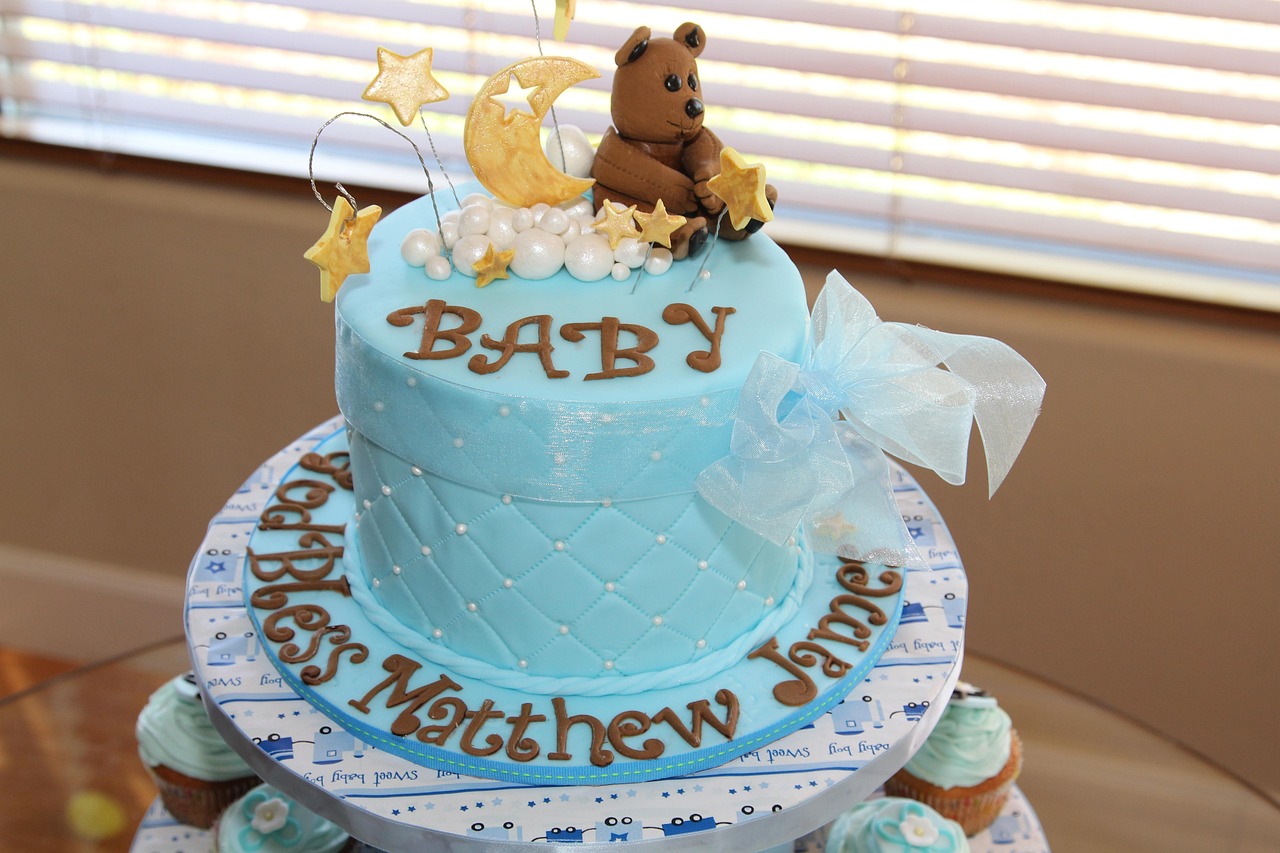
For generations, the image of a baby shower has been clear: a room filled with women, elegant snacks, and gifts of tiny, beautiful clothes. While this traditional model holds a cherished place in parenting history, the landscape of family life and caregiving has evolved dramatically, especially here in January 2026. Today’s parents often share preparation, caregiving responsibilities, and excitement equally, leading many to ask a very reasonable question: Are baby showers still just for women?
The short answer is clear: absolutely not. The modern baby shower reflects the reality of modern parenting, prioritizing inclusivity, partnership, and community support above rigid gender expectations. If you are planning an upcoming celebration, you have the complete freedom to design an event that honors your specific family unit and shared journey into parenthood. We’ll explore the beautiful shift toward inclusive celebrations and offer practical guidance for hosting a joyful, non-traditional gathering.
The Evolution of the Baby Shower: From Tradition to Inclusion
Historically, the baby shower served a vital role in preparing the expecting mother. In decades past, it was often the primary way a woman received the necessary supplies and emotional support required for the intense period of childbirth and early infancy. These were often segregated events, reflecting broader social norms about gender roles in the home.
Today, the focus has shifted. While material needs remain important, the greater need for many expecting families is community, partnership recognition, and the acknowledgment that raising a child is a family endeavor. The trend toward co-ed baby showers—sometimes called “sprinkles” or “parent parties”—is simply a recognition of this reality.
This evolution is a positive sign for the health and stability of the family unit. When both parents or partners are present and celebrated, it reinforces the foundation of shared responsibility and mutual support before the baby arrives. It expands the network of support to include all important people in the child’s life, regardless of gender.

Embracing the Co-Ed Celebration: Why Inclusion Matters
When you choose to host an inclusive baby shower, you are sending a powerful message that caregiving and preparation are shared efforts. This approach can make the event more meaningful and welcoming for everyone involved.
Celebrating the Partnership
In many homes today, both partners actively participate in all aspects of baby preparation, from reading parenting books to setting up the nursery. An inclusive shower ensures that the anticipation and joy are celebrated together. It recognizes the emotional journey of both parents and validates their joint transition into this new phase of life.
Expanding the Support Network
Raising a baby requires a village, and that village is made up of people of all genders. Bringing together your broader social circle—friends, colleagues, siblings, and family—allows the entire support network to rally around the expectant parents. This community building is invaluable, providing both practical help (like meals or help with errands) and emotional backup once the baby arrives in 2026.
Creating a Low-Pressure Environment
Traditional baby showers sometimes carry a formal or focused energy that can feel overwhelming. Co-ed or mixed-gender showers often have a more relaxed, party-like atmosphere. They may incorporate activities beyond just unwrapping gifts, making the focus shift from just the inventory of items to the simple act of gathering and connecting. Guests often feel more comfortable in a relaxed setting that feels closer to a regular celebration.
Practical Guidance for Planning an Inclusive Shower
If you decide to move away from the traditional, all-female event, planning an inclusive shower is straightforward and focuses on making the environment universally enjoyable.
Rethink the Timing and Location
- Timing: While traditional showers often occurred in the afternoon, co-ed events often work better on a weekend evening or late afternoon. Think of a casual brunch, a lunch BBQ, or an evening gathering.
- Location: Consider a neutral, larger space. Instead of a highly decorated living room focused on feminine decor, perhaps opt for a relaxed backyard gathering, a local park pavilion, or a community hall.
Adjusting the Guest List and Invitations
When sending invitations, make it clear that the celebration is intended to honor both parents and partners, and that guests of all genders are warmly invited. Explicitly state the inclusive nature of the event on the invitation—for example, calling it a “Family Celebration,” a “Co-Ed Shower,” or a “Welcome Baby Party.”
Choosing Activities and Entertainment
Many traditional baby shower games revolve around guessing sizes or baby foods, which may not appeal to a mixed-gender crowd. Focus instead on inclusive activities that promote connection and lighthearted fun. For example:
- Diaper Keg: Ask guests to bring a pack of diapers for entry into a raffle for a small prize.
- Advice Stations: Set up cards where guests (regardless of their own experience) can write down their best “pro tips” or words of wisdom for the parents-to-be.
- Baby Book Library: Instead of, or in addition to, gifts, ask guests to bring their favorite childhood book, signed with a dedication to the new baby.
Considering the Registry
A modern registry is inherently inclusive, focusing on necessary items like car seats, strollers, feeding supplies, and nursery equipment. However, when addressing the topic of gifts, it is completely appropriate to include options for group gifts or experiences, such as funds toward a crib or gift cards for postpartum meal services. This reinforces the idea that the community is helping the family prepare, not just providing material goods.
The Deeper Purpose: Focusing on Community, Not Just Gifts
Whether you choose a traditional shower, a co-ed gathering, or a small, private “sprinkle,” the underlying goal of the baby shower remains the same: to surround the expecting parents with love, support, and practical assistance before a major life change. While the gifts are helpful, the emotional support is paramount.
Focusing on the celebratory aspect, rather than feeling obligated to follow rigid traditions from decades past, allows parents to truly feel seen and encouraged. There is no one right way to celebrate the anticipation of a new baby in 2026. The best celebration is the one that aligns with your family’s values and makes you feel ready and excited for the road ahead.
Frequently Asked Questions About Modern Baby Showers
Is it okay for the partner to be involved in the baby shower planning?
Yes, absolutely. Since the arrival of a baby is a shared responsibility, it is completely normal and often beneficial for both parents or partners to be involved in the planning, hosting, and decision-making for the shower. This helps ensure the celebration feels authentic to both people being honored.
What should I call a baby shower if both parents are being celebrated?
You can use a variety of inclusive terms, such as a “Family Shower,” a “Co-Ed Celebration,” a “Parent Party,” or a simple “Welcome Baby Gathering.” Choose a name that feels natural to your family and clearly signals that all loved ones are invited.
Do I have to open gifts at the shower?
Many modern parents choose to skip the public gift opening, especially at larger, co-ed gatherings, to save time and reduce pressure. Instead, you might display the gifts or simply mention that you look forward to reviewing them later. This allows more time for socializing and enjoying the company of your guests.
Are male friends expected to bring gifts to a co-ed shower?
Yes. The expectation of bringing a gift applies equally to all guests invited to a baby shower, regardless of gender. The focus is on contributing to the needs of the growing family, and any thoughtful token of support is appreciated.
Is it rude to ask guests not to bring gifts?
It is becoming increasingly common for expectant parents who have had multiple children, or who already have many items, to request no gifts. If you choose this path, you might gently suggest an alternative, such as a contribution to the baby’s college fund, a donation to a charity in the baby’s name, or simply asking for a signed book instead.
***
Friendly Disclaimer
This article is for informational purposes only and offers general parenting guidance based on current editorial standards. If you have concerns about your baby’s health or development, please consult your pediatrician or a licensed healthcare provider.